Search Results for: copywork

How to Implement Narration, Dictation, and Copywork in Your Homeschool

Episode 6: How to Implement Narration, Dictation, and Copywork in Your Homeschool 

Hosts:  Lindsey Stomberg & Richele McFarlin

Are you curious how to implement narration, dictation, can copywork into your homeschool? Let’s discuss ways to incorporate these Charlotte Mason elements into your homeschool to encourage attentiveness, handwriting, punctuation, sentence structure, and listening skills in your children.

Show Links:

Making Narration Fun download

Visit Us:

Talking Mom2Mom

Facebook

Can I Homeschool and Still Work?

Many families do. It works when you stop trying to run a school day and a work day in the same hours, and start building a week that admits both exist.

Homeschooling does not need business hours

This is the piece that unlocks it. School happens between eight and three because buildings and buses require it. Your family does not.

Early mornings before a shift. Evenings. Weekends. Four longer days instead of five. A schedule built around when you are actually available is not a compromised education, it is the normal one for working families.

Independence is the real currency

Every hour your child can work without you is an hour you get back. Build that deliberately and early.

For younger children, that means a short list they can do alone: copywork, a reading assignment, a math review page they already understand. For teens, it means handing over the planning itself. A capable fifteen-year-old with a weekly checklist does not need supervision, and learning to manage that list is itself worth more than most courses.

Use the people and tools available

Online classes, co-ops, tutors, a grandparent who takes one afternoon, a swap with another family. Outsourcing a subject is not a failure of nerve. It is how most working homeschool families cover the things that need live instruction while they are unavailable.

Be honest about the arithmetic

There is a real limit. A full-time job with no flexibility, no second adult, and four young children is extremely hard, and people who tell you otherwise are usually not doing it.

Look honestly at the hours before you commit, and be willing to adjust the plan rather than grinding yourself down inside one that does not fit.

Listen to this

It is our 13th birthday all month long.

The Ultimate Homeschool Podcast Network turns 13 this October, and we are giving away more than $1,500 in prizes across four drawings. One entry puts you in all of them, and everyone who enters gets Sweet Treats, a gathered-up collection of free resources from the hosts across the network.

Enter the Sweet 13 Giveaway

How Do I Teach Writing to a Kid Who Refuses to Write?

Writing is not one skill. It is at least three stacked on top of each other, and a child who refuses is usually failing at one specific layer while you are asking for all three at once.

The three layers

First, the physical act of forming letters. Second, having something to say and organizing it. Third, the mechanics, which is spelling, grammar, and punctuation.

A child can be strong at one and weak at another. Asking a child with an unformed handwriting habit to compose an original paragraph in correct sentences is asking for three hard things at once, which is why the pencil does not move.

Separate them and teach them apart

If handwriting is the obstacle, let them dictate to you while you write it down. Their ideas are far ahead of their hand, and taking dictation lets you see what they can actually do.

If getting started is the obstacle, narration is the fix. Have them tell you back what happened in a chapter, out loud, immediately. It is composition without the paper.

If mechanics are the obstacle, teach them separately in short doses, and do not correct them during a first draft. Editing while composing stops the composing.

Copywork does more than it looks like

Copying good sentences teaches spelling, punctuation, and sentence rhythm at the same time, and it is not intimidating because the thinking is already done.

Do not correct everything

A page returned covered in red is a page that teaches a child to write less. Pick one thing per piece. Fix that one thing. Write the next piece.

Listen to this

It is our 13th birthday all month long.

The Ultimate Homeschool Podcast Network turns 13 this October, and we are giving away more than $1,500 in prizes across four drawings. One entry puts you in all of them, and everyone who enters gets Sweet Treats, a gathered-up collection of free resources from the hosts across the network.

Enter the Sweet 13 Giveaway

How to Make a Homeschool Time Capsule Your Family Will Treasure

🌿 This episode is proudly sponsored by Eden’s Table — a Christ-centered herbalism curriculum for K-5 homeschool families. One plant a week, woven through Bible, science, history, art, and Latin.

Try a free week →

The idea of a time capsule isn’t new, but what about a homeschool time capsule? Something you can store and look back upon?The idea of a time capsule isn’t new, but what about a homeschool time capsule? Something you can store and look back upon at the beginning or end of your new school year? In this encouraging episode of Vintage Homeschool Moms, Felice Gerwitz shares a simple, faith-filled idea that adds a beautiful new dimension to making memories and remembering God’s faithfulness in your homeschool journey.

Sponsored by CTCMath.com

Homeschool Time Capsule ~ Episode 578

Preserve Memories, Faith & Family Legacy ~ Vintage Homeschool Moms with Felice Gerwitz

Whether you’re just starting homeschooling or have years of experience, this project doesn’t take much time, uses household items, and is perfect for families who want to remember the good times, learn from the challenges, and pass on a legacy of faith to the next generation.

Homeschool Time Capsule Suggestions

  • What a homeschool time capsule is and why it’s a powerful tool for your family
  • Step-by-step instructions: How to make one that’s simple, meaningful, and durable
  • What to include: Photos, artwork, handwriting samples, favorite Bible verses, prayers, milestones, and more
  • Best storage ideas so no one peeks too soon
  • Suggested timelines (end-of-year to next year, or beginning to end of school year, 5 years, 10 years, or graduation)
  • How to open it with celebration, gratitude, and family fanfare
  • Using the capsule as a learning tool: What worked in your homeschool? What didn’t?
  • Fun ideas from the kids: What they want to save for the family time capsule
  • Scripture connection: Creating your own “stones of remembrance” (Joshua 4)

Why This Matters for Homeschool Families.

In the busyness of lesson plans and daily life, it’s easy to lose sight of God’s hand at work. A homeschool time capsule helps you pause, give thanks, and treasure the heart lessons alongside the academics. It becomes a beautiful way to show your children (and future grandchildren) how your family loved, learned, and followed Christ together.

Practical Ideas to Get Started

  • Gather a sturdy container (plastic bin, wooden box, or large mason jar)
  • Include current photos, copywork, drawings, height charts, and family prayers
  • Let each child contribute something special
  • Pray over the capsule before sealing it
  • Plan a joyful opening with snacks, praise music, and storytelling

Next Episode: Kids Homeschool Time Capsule – How each child can create their own unique one. Personal ownership, independence, and even deeper faith reflection!

Additional Vintage Homeschool Moms Episodes for Listening

These episodes offer more encouragement on memory-making, reflection, family bonding, and evaluating your homeschool year:

Media Angels Book & Resource Recommendations Enhance your time capsule project and ongoing homeschool journey with these faith-filled resources from Felice Gerwitz at MediaAngels.com/store:

  • A Few Minutes with God eBook + Study Guide – Perfect for including personalized Scripture reflections and family devotionals in your capsule.
  • Creation Science: A Study Guide (and related Creation Astronomy/Geology packs) – Hands-on projects that create wonderful mementos and science memories.
  • Secret Code Time eBook – Builds on the unbreakable bond theme and makes a great addition to family time capsules.
  • Character Counts Planners and Organize IT Planners – Printables ideal for tracking milestones and goals to include in your capsules.

Resources & Links

  • Printable questionnaires and faith-based time capsule ideas (search Christian family sites for “faith time capsule printable”).
  • Related Scripture: Joshua 4, Deuteronomy 6:6-7
  • Sponsor: CTCMath.com – Make math moments that last!

Share & Connect Tag your photos #VHMTimeCapsule and join the conversation in the Ultimate Homeschool Moms community. How will your family create memories this year?

About Vintage Homeschool Moms Hosted by Felice Gerwitz, Vintage Homeschool Moms preserves the best of the past while blessing future generations. Encouragement, practical tips, and faith-filled wisdom for Christian and Catholic homeschool families. Part of the Ultimate Homeschool Podcast Network.

Subscribe & Never Miss an Episode Apple Podcasts | Spotify | Android | iHeartRadio | Podcast Index | RSS | Email

Complete show notes help you jump-start your own adventure at home. Check out more podcasts on the Ultimate Homeschool Podcast Network.

How to Evaluate Your Homeschool Year (With a Simple Teaching Checklist)

🌿 This episode is proudly sponsored by Eden’s Table — a Christ-centered herbalism curriculum for K-5 homeschool families. One plant a week, woven through Bible, science, history, art, and Latin.

Try a free week →

📚 Part of our guide: Back to Homeschool

Homeschool teaching checklist for moms who want to improve their homeschool yearHomeschool Teaching Checklist: How to Improve Your School Year Without Starting Over
In this encouraging episode of Vintage Homeschool Moms, Felice Gerwitz walks through practical teaching tips, homeschool methods, and a flexible checklist to help moms create a more effective and enjoyable homeschool year.

🎧 Listen to the episode here: 

Sponsored by CTCMath.com

Homeschooling can feel overwhelming—even when you’re doing a lot right.

You may have the curriculum. You may have a routine. And you may even have a plan. But sometimes, a few weeks or months into the school year, you start asking yourself:

  • Is this working?
  • Are my kids actually learning?
  • Do I need to change something?
  • How do I make homeschool feel less stressful and more effective?

The good news? You do not need to scrap your school year and start from scratch.

Sometimes the best thing you can do is pause and use a simple homeschool teaching checklist to evaluate what’s working, what’s not, and what small changes can make your homeschool stronger, calmer, and more effective.

Handout: 49-VHM_TeachingCheckList

More Homeschool Help You May Enjoy

What Is a Homeschool Teaching Checklist?

A homeschool teaching checklist is a simple way to step back and look at the big picture of your homeschool year.

It helps you answer questions like:

  • Are we covering the basics?
  • Is my child learning in a way that actually works for them?
  • Do we need more structure—or less?
  • Have I made room for fun, creativity, and real-life learning?
  • Are we building a homeschool that fits our family?

A good homeschool checklist isn’t about perfection. It’s about intentional progress.

And honestly? Sometimes just taking time to evaluate your homeschool can bring a huge sense of relief.

Why Evaluating Your Homeschool Year Matters

Many homeschool moms wait until the end of the year to reflect. But the best time to make improvements is while you’re still in it.

You don’t have to wait until summer.

You can stop right now and ask:

  • What is going well?
  • Where are we frustrated?
  • What feels heavy or forced?
  • What’s missing?

Felice shares that even in the middle of a school year, it’s worth taking time to reassess your approach and make changes that support your child’s learning style and your family’s season of life.

That means if you’ve had:

  • a new baby,
  • schedule changes,
  • burnout,
  • curriculum frustration,
  • or just a rough start…

…it is not too late to make homeschool better.

The Truth Most Homeschool Moms Need to Hear

You are not failing because your homeschool doesn’t look like someone else’s.

That might be one of the most important reminders in this episode.

It’s easy to compare your homeschool to:

  • the mom in co-op,
  • the beautifully organized Instagram homeschool room,
  • the family who seems to do every field trip, project, and unit study,
  • or the friend who somehow makes sourdough, teaches Latin, and has matching baskets.

But your homeschool does not need to look like theirs.

Your homeschool needs to work for your children, your energy, your schedule, and your goals.

That is what makes a homeschool sustainable.

The Ultimate Homeschool Teaching Checklist

Use this checklist as a quick homeschool reset. You can print it, save it, or walk through it one section at a time.

1. Do You Have a Family Mission or Purpose?

This doesn’t have to be formal or fancy.

But it helps to know:
What are we trying to build here?

Ask yourself:

  • What kind of family culture do we want?
  • What do we want our children to gain from homeschooling?
  • What matters most in this season?

A family mission helps shape your homeschool decisions so you’re not constantly chasing someone else’s priorities.

2. Do You Have Clear Goals for the School Year?

Not just “finish the curriculum.”

Think bigger.

Ask:

  • What do I want each child to grow in this year?
  • What subjects need the most attention?
  • What would make this year feel successful?

Goals might include:

  • stronger reading habits,
  • finishing a specific subject,
  • building independence,
  • improving writing,
  • creating more peace in your routine,
  • or helping a child discover what they love.

General goals help keep your homeschool focused.

3. Are You Setting Character and Spiritual Goals Too?

Academics matter. But they are not the whole picture.

Some of the most important things your children learn at home are:

  • responsibility,
  • perseverance,
  • kindness,
  • patience,
  • self-control,
  • and faith.

Felice makes a strong point here:
The best way to teach character is not through a workbook—it’s through your example.

That one stings a little… but it’s true.

If character is a goal, ask:

  • What are we modeling in our home?
  • What habits are we reinforcing?
  • What kind of atmosphere are we creating?

Felice has created the Character Planners to help homeschool moms build character in their children.

4. Are You Covering the Core Subjects?

If you’re overwhelmed, come back to the basics.

Core homeschool subjects often include:

  • Reading
  • Writing
  • Math
  • Science
  • History
  • Literature

You don’t have to do every extra right now.

Sometimes the best homeschool move is to simplify and ask:
Are we consistently doing the essentials?

Because if the answer is yes, you may already be doing better than you think.

5. Are You Using the Right Teaching Method for Your Child?

This is where many homeschool struggles begin.

Sometimes the issue is not the curriculum.
Sometimes the issue is how the material is being taught.

That’s a huge takeaway from this episode.

Felice shares how one of her children struggled with traditional workbook-style math—but learned much better through movement, hands-on activities, and real-life interaction.

That means your child may thrive more with:

  • hands-on learning,
  • discussion-based learning,
  • notebooking,
  • unit studies,
  • copywork,
  • visual learning,
  • project-based learning,
  • or a more flexible, interest-led approach.

Ask:

  • Is this child resisting because they’re lazy…
  • or because the method isn’t connecting?

That question can change everything.

Best Homeschool Teaching Methods to Try

If you need a reset, here are several homeschool-friendly teaching methods to explore:

Reading and Discussion

Read aloud and talk through ideas together.

Best for:

  • literature,
  • history,
  • worldview,
  • Bible,
  • and younger learners.

Copywork

Have your child copy a well-written passage to practice:

  • handwriting,
  • grammar,
  • spelling,
  • punctuation,
  • and sentence structure.

Unit Studies

Choose a topic and connect multiple subjects to it.

Example:
A medieval history unit could include:

  • history,
  • literature,
  • map work,
  • art,
  • writing,
  • and projects.

Notebooking

Instead of worksheets, children create a notebook of what they’ve learned.

This works especially well for:

  • science,
  • history,
  • biographies,
  • and nature study.

Hands-On Learning

This can include:

  • experiments,
  • building projects,
  • movement-based learning,
  • games,
  • crafts,
  • cooking,
  • or manipulatives.

Hands-on learning often helps struggling learners stay engaged and remember more.

Eclectic Homeschooling

This means using a mix of methods and resources instead of locking into one approach.

For many families, this is the most realistic and effective long-term option.

6. Is Your Homeschool Engaging and Enjoyable?

This is a big one.

Felice talks about the importance of making room for fun learning, especially when children need motivation.

That doesn’t mean every day has to be Pinterest-worthy.

It does mean asking:

  • Is there joy in our learning?
  • Are my kids excited about anything we’re doing?
  • Have I planned anything memorable this month?

Sometimes homeschool gets heavy because it becomes all output and no delight.

Easy ways to add engagement:

  • themed project days,
  • read-aloud afternoons,
  • hands-on history activities,
  • notebook pages,
  • simple science experiments,
  • cooking related to your studies,
  • educational games,
  • documentaries,
  • nature walks,
  • art tied to a topic.

Often, one small fun element can shift the whole mood of your homeschool.

7. Do You Have a Routine or Schedule That Actually Fits Your Family?

Not every homeschool needs a strict hour-by-hour schedule.

But most families do better with some kind of rhythm.

That might look like:

A Schedule:

A more structured start and end time for subjects.

A Routine:

A predictable flow to the day without exact time blocks.

Many homeschool moms thrive when they stop trying to force a school system structure and instead build a family-centered rhythm.

Ask:

  • Do we need more structure?
  • Or do we need less pressure?

Sometimes the answer is not “be more disciplined.”
Sometimes it’s “stop trying to homeschool like a classroom.”

8. Are You Giving Enough One-on-One Attention Where It’s Needed?

If you have multiple children, this can feel impossible.

But one-on-one time matters—especially for:

  • struggling learners,
  • children who are easily distracted,
  • kids with confidence issues,
  • or children who simply need connection.

You may not be able to do this for hours.

But even a focused 10–15 minutes can make a difference.

Ask:

Small moments of focused teaching often go further than we think.

9. Do You Build in Catch-Up Time?

This is one of the smartest homeschool strategies in the whole episode.

Felice recommends having a built-in catch-up day each week—often Friday—where students can:

  • finish assignments,
  • complete projects,
  • take tests,
  • write papers,
  • or wrap up anything left unfinished.

This is such a simple but powerful homeschool fix.

Because homeschool rarely goes exactly as planned.

A catch-up day gives your week breathing room and keeps one bad day from throwing off everything else.

10. Are You Making Room for Real Life Skills?

Homeschool is about more than academics.

Ask yourself:

  • Are my children learning responsibility?
  • Do they help around the house?
  • Are they building life skills?
  • Do they know how to contribute to the family?

That may look like:

  • daily chores,
  • weekly responsibilities,
  • meal prep,
  • budgeting,
  • time management,
  • organization,
  • or helping younger siblings.

These are not distractions from education.
These are part of education.

11. Have You Planned Anything to Look Forward To?

Sometimes homeschool feels stale simply because there’s nothing exciting on the horizon.

Add simple anchor points like:

  • a field trip,
  • a history day,
  • a science project,
  • a family presentation night,
  • a read-aloud celebration,
  • a museum visit,
  • or a themed lunch tied to what you’re studying.

These moments create memory and momentum.

And honestly? They help moms too.

12. Are You Taking Care of Yourself Too?

This may be the most overlooked part of homeschool success.

Because when mom is depleted, everything feels harder.

Felice encourages moms to build in even small self care moments to:

  • regroup,
  • pray,
  • breathe,
  • journal,
  • think,
  • or simply sit down for a minute.

It doesn’t have to be a spa day.

It may be:

  • waking up 15 minutes earlier,
  • taking a quiet lunch break,
  • sitting outside for five minutes,
  • or reading your Bible before the house gets loud.

You do not need a perfect self-care routine.
You just need enough margin to stay steady.

How to Know If Your Homeschool Is Actually Working

Here’s a simple truth:

If your children are learning, growing, being loved, and living in a home where truth, curiosity, and consistency matter…

your homeschool is working.

Not perfectly.
But meaningfully.

And that matters more than checking every box.

Ask yourself:

  • Are my children making progress?
  • Are they curious?
  • Are they developing skills?
  • Are they growing in character?
  • Are we moving forward?

If yes, keep going.

You can improve without tearing it all down.

Quick Homeschool Reset: Start Here

If you’re feeling overwhelmed, don’t redo everything.

Just start with these 5 simple steps:

1. Pick one area that feels frustrating.

2. Ask what’s not working: the content, the method, or the routine?

3. Choose one small change to make this week.

4. Add one thing your kids can look forward to.

5. Give yourself permission to homeschool imperfectly.

That’s enough to begin.

Final Encouragement for Homeschool Moms

You do not need a perfect plan.

You need a homeschool that is:

  • thoughtful,
  • flexible,
  • intentional,
  • and rooted in what your family actually needs.

That’s what makes homeschool powerful.

And if you need to pause, reevaluate, and make changes?
That doesn’t mean you’re behind.

It means you’re paying attention.

And that’s a very good thing. 💛

Frequently Asked Questions

What is a homeschool teaching checklist?

A homeschool teaching checklist is a tool that helps parents evaluate their school year, track goals, and ensure they are covering key subjects and learning experiences.

How do I know if my homeschool is working?

Look at your child’s engagement, progress, and overall experience. If learning is happening and your child is growing, your homeschool is working—even if it doesn’t look perfect.

What are the most important homeschool subjects?

Core subjects typically include reading, writing, math, science, and history, but each family can customize based on their goals.

How can I make homeschooling more engaging?

Incorporate hands-on learning, projects, real-life applications, and allow children to explore their interests.

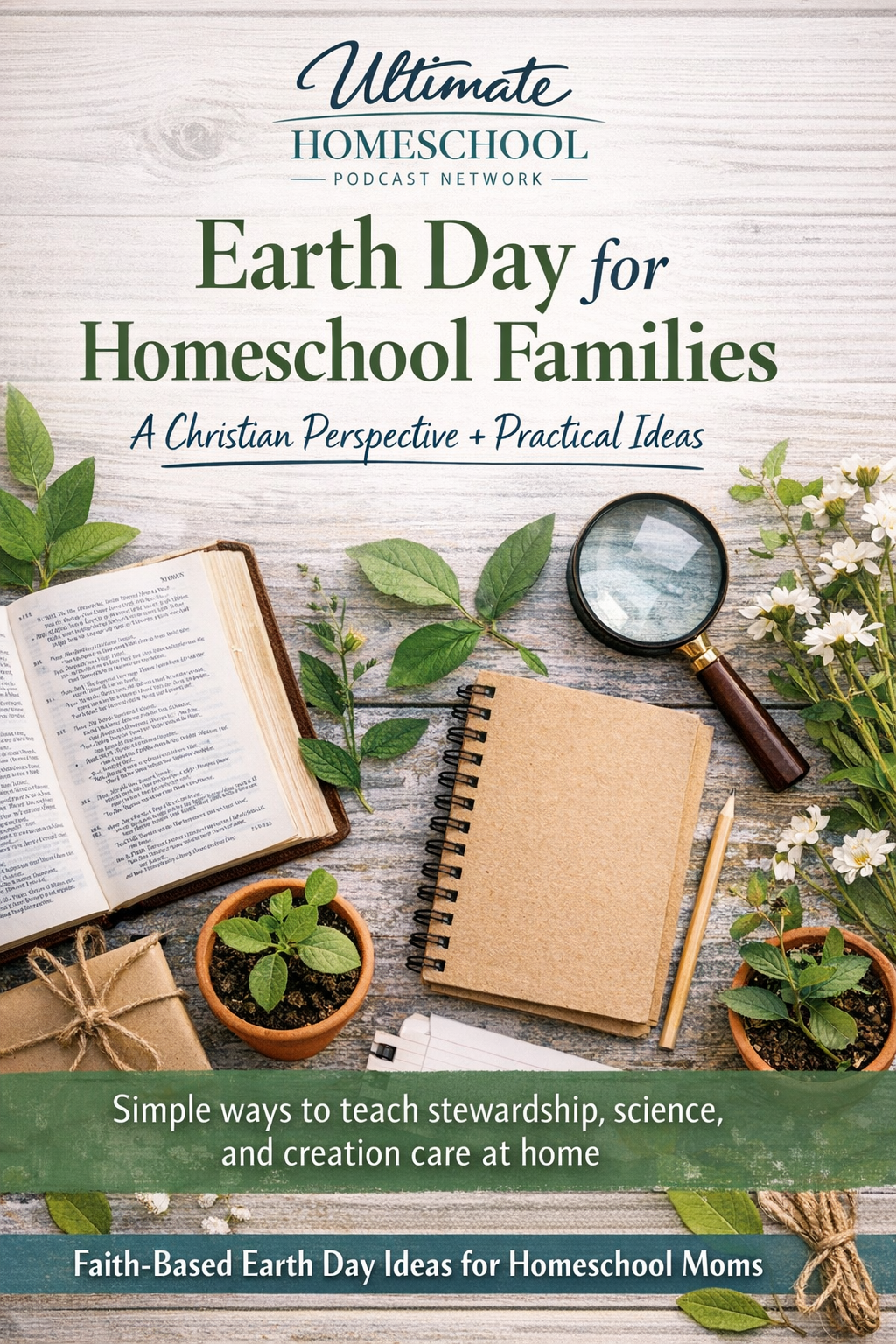
Earth Day for Homeschool Families: A Christian Perspective on Caring for Creation

📚 Part of our guide: Homeschool Science

Looking for a practical and faith-based way to celebrate Earth Day in your homeschool? This Christian homeschool resource shares simple Earth Day activities, Bible connections, stewardship ideas, and science-based learning for homeschool families. Great for homeschool moms teaching nature study, creation care, and environmental science from a biblical worldview.How can homeschool families celebrate Earth Day in a way that is practical, meaningful, and rooted in faith?

That’s a question many Christian homeschool moms ask every April.

If you’ve ever wondered whether Earth Day “fits” into a Christian homeschool, the short answer is: it can—when it’s viewed through the lens of stewardship, gratitude, and responsibility.

For homeschool families, Earth Day doesn’t have to be political, complicated, or overwhelming. It can be a simple opportunity to help your children notice the beauty of God’s creation, understand how the natural world works, and practice wise care for the world He made.

Whether you’re homeschooling elementary students, middle schoolers, or high schoolers, Earth Day can become a valuable learning moment that blends science, Scripture, observation, and practical life skills.

What Is Earth Day, and Should Christian Homeschoolers Celebrate It?

Earth Day is observed on April 22 each year and is meant to encourage awareness of the environment and the importance of caring for the natural world.

For Christian families, Earth Day can be reframed in a deeply biblical way:

  • God created the earth
  • Creation reflects His glory
  • Humans are called to steward it wisely

This means Earth Day can become less about “worshiping nature” and more about honoring the Creator by responsibly caring for what He made.

A Biblical Foundation for Earth Day

Here are a few verses that help frame this conversation:

  • Genesis 1:31 — “God saw all that he had made, and it was very good.”
  • Psalm 24:1 — “The earth is the Lord’s, and everything in it.”
  • Genesis 2:15 — “The Lord God took the man and put him in the Garden of Eden to work it and take care of it.”

That’s a beautiful homeschool conversation starter right there:
What does it look like to “work and take care of” the world God gave us?

If Earth Day sparks deeper curiosity in your homeschool, don’t stop with just one day of learning. The Creation Science Podcast on the Ultimate Homeschool Podcast Network is a wonderful resource for families who want to explore science through a biblical worldview and help kids see the evidence of God’s design in the world around them. It’s a great way to continue conversations about creation, stewardship, and the natural world beyond a single lesson or activity. You can also find even more homeschool-friendly science resources, curriculum, and encouragement at Media Angels, where families can access practical tools to support meaningful, faith-based learning at home.

Why Earth Day Works So Well in a Homeschool

One of the best parts of homeschooling is that learning doesn’t have to stay inside a textbook.

Earth Day naturally lends itself to the kinds of learning homeschool moms often want more of:

  • Hands-on learning
  • Nature study
  • Real-life application
  • Family discussion
  • Cross-subject integration

In one simple Earth Day unit, you can cover:

  • Science (ecosystems, habitats, conservation, weather, pollution)
  • Bible (creation, stewardship, gratitude, responsibility)
  • Writing (journaling, copywork, narration, persuasive writing)
  • Art (nature sketching, recycled art projects)
  • Life skills (gardening, composting, reducing waste)

That’s the homeschool sweet spot right there 🙌

10 Practical Earth Day Activities for Homeschool Families

If you want Earth Day to feel meaningful but not like “one more thing,” here are some simple ways to celebrate at home.

1. Take a Creation Walk

Head outside and ask your kids to notice:

  • Birds
  • Trees
  • Insects
  • Clouds
  • Wildflowers
  • Water sources
  • Animal tracks

Bring a notebook or nature journal and write down observations.

Homeschool tip: Ask younger kids, “What did God make that you noticed today?”
Ask older kids, “What systems in nature seem interconnected?”

2. Read Scripture Outside

Take your Bible time outdoors and read passages about creation.

Good Earth Day Scripture passages include:

  • Genesis 1
  • Psalm 8
  • Psalm 19
  • Psalm 24
  • Psalm 104
  • Romans 1:20

Then ask:

  • What does this teach us about God?
  • What does it teach us about our role in creation?
  • How should Christians think differently about the environment?

That simple discussion alone can turn Earth Day into something much deeper than a craft or worksheet.

3. Start a Small Garden

You don’t need a homestead to do this.

Try:

  • Herbs in a window
  • Tomatoes in pots
  • Lettuce in a raised bed
  • Wildflowers for pollinators

Gardening teaches patience, responsibility, observation, and dependence on God’s design.

It also gives kids a front-row seat to concepts like:

  • plant life cycles
  • soil health
  • sunlight and water needs
  • ecosystems
  • food systems

4. Do a Backyard Ecosystem Study

Have your kids investigate one small area of your yard or neighborhood and ask:

  • What plants live here?
  • What insects are present?
  • What animals visit this space?
  • What would happen if one part disappeared?

This is a great way to introduce the idea of ecosystems in a way kids can actually see and understand.

5. Practice “Wise Stewardship” at Home

Earth Day is a great day to teach kids that caring for creation often looks very practical.

Try one simple challenge:

  • Reduce food waste for the day
  • Reuse materials before throwing them away
  • Turn off unused lights
  • Pick up litter in your neighborhood
  • Recycle correctly
  • Donate usable items instead of tossing them

This helps children see that stewardship isn’t abstract—it’s a daily habit.

6. Create a Nature Journal

Nature journaling is one of the easiest homeschool wins.

Kids can:

  • sketch leaves or flowers
  • label parts of a plant
  • write weather observations
  • record bird sightings
  • compare different trees
  • write gratitude lists about creation

For older students, this can become more scientific with:

  • classification
  • environmental observations
  • ecosystem notes
  • seasonal comparisons

7. Watch a Nature Documentary Together

A well-chosen documentary can spark some incredible conversations.

Afterward, ask:

  • What part of creation amazed you most?
  • What did you learn about ecosystems or habitats?
  • What does this reveal about God’s design?

This works especially well for middle and high school students who enjoy discussion-based learning.

8. Make Earth Day a Writing Assignment

Need a quick language arts tie-in? Easy.

Try one of these writing prompts:

  • Why should Christians care for creation?
  • What does stewardship mean in everyday life?
  • Describe your favorite part of God’s creation.
  • What can families do to reduce waste at home?
  • How does studying science strengthen faith?

That last one is especially good for older students.

9. Do a Family Service Project

Earth Day can also be a great day to serve others.

Ideas:

  • pick up trash at a local park
  • plant flowers at church
  • clean up a neighborhood area
  • help a grandparent with yard work
  • organize a mini “care for creation” challenge with friends

That shifts Earth Day from “awareness” to action.

10. Use Earth Day as a Launch Point for Deeper Science Learning

If your student is curious about the environment, ecosystems, conservation, or how the natural world works, Earth Day can be the perfect springboard into a deeper study.

That’s one reason families may love the Creation Science Series from Media Angels—it gives students the opportunity to move beyond surface-level facts and begin exploring the world with both scientific curiosity and thoughtful perspective.

For homeschool parents who want their teens to engage real-world science topics in a structured way, a course like Creation Geology can help students better understand:

  • ecosystems
  • environmental systems
  • natural resources
  • human impact
  • stewardship and responsibility

And honestly? That’s what many homeschool moms are looking for—real learning that connects to real life.

How to Talk to Your Kids About the Environment Without Fear

One of the biggest challenges for Christian parents is this:
How do we talk about environmental issues without creating anxiety or fear?

That’s an important question.

Kids don’t need a doom-and-gloom message.
They need a grounded, biblical one.

Here’s a healthy framework:

Teach Wonder First

Before you teach problems, teach beauty.

Let kids marvel at:

  • bird migration
  • pollination
  • weather patterns
  • forests
  • oceans
  • stars
  • the complexity of life

Wonder creates care.

Teach Responsibility, Not Panic

Your kids do not need to feel like the fate of the planet rests on their shoulders.

They can learn that:

  • actions matter
  • habits matter
  • stewardship matters
  • Christians should be thoughtful, not careless

Teach Hope

Christians approach the world with hope, not despair.

We teach our kids to care because:

  • God made this world
  • people matter
  • wise stewardship is good
  • truth matters
  • gratitude leads to action

That’s a much healthier framework than fear-based messaging.

Earth Day Questions for Homeschool Morning Time

If you want to turn Earth Day into a family discussion, here are some great prompts:

  • What does the Bible teach about creation?
  • What does stewardship look like in our home?
  • Why do you think God made such a diverse world?
  • What can we learn about God through nature?
  • How should Christians think about caring for the environment?
  • What’s one small thing our family can do this week to care for what God has given us?

These kinds of questions build both critical thinking and biblical worldview formation.

Earth Day Doesn’t Have to Be Complicated

If you’re a homeschool mom, you do not need a 14-page unit study, a themed snack board, and a printable pack with 82 pieces to make Earth Day meaningful 😅

Sometimes the best homeschool moments are the simplest ones:

  • a walk outside
  • a conversation on the porch
  • a seed planted in a cup
  • a Scripture reading under a tree
  • a discussion about stewardship around the dinner table

That counts.
That matters.
That’s real learning.

And in many ways, that’s what Christian homeschooling is all about.

 Earth Day as a Christian Homeschool Opportunity

Earth Day can be a simple but powerful reminder that creation points us back to the Creator.

As homeschool moms, we have the opportunity to help our kids:

  • notice God’s world
  • understand how it works
  • care for it wisely
  • think biblically about science and stewardship

So if you’re wondering whether Earth Day belongs in your homeschool this year, the answer is simple:

Yes—if it leads your family to wonder, wisdom, gratitude, and stewardship.

And that’s a pretty great lesson for any day of the year 🌿

Teaching Our Kids to Honor Service: A Free Military Appreciation Activity Pack for Homeschoolers

Celebrate Military Appreciation Month with this free homeschool activity pack! Includes devotionals, military hero bios, journal prompts, a podcast guide, and a printable thank-you card—perfect for faith-filled, patriotic learning. Every May, during Military Appreciation Month, our country takes time to pause and say thank you to the men and women who serve in the armed forces. But in the homeschool world, we have a unique opportunity to go beyond a simple “thank you” and instead teach our children what service, sacrifice, and courage really look like.

That’s why I’m thrilled to share a brand-new free resource with you:


🎁 The Military Appreciation Activity Pack for Homeschoolers
👉 Click here to get your free download

Whether you’re a military family yourself or simply want to raise kids who understand the cost of freedom, this printable pack offers a gentle, faith-filled way to explore these important themes.

Blog post sponsored by Media Angels. & CTC Math.

What’s Inside the Free Activity Pack?

We’ve bundled together several simple, printable activities you can use across a week—or all in one day, if you prefer a themed unit or special Friday study.

Here’s what’s included:

1. Soldier Lessons Mini-Devotional

Three short, kid-friendly devotions based on the military values of courage, honor, and sacrifice—each tied to Scripture and a discussion prompt for reflection.

2. Military Hero Biography Pages

Learn about three incredible men and women of faith who served with boldness and integrity. Includes copywork and notebooking prompts!

3. Service & Sacrifice Reflection Journal

Printable journaling prompts that help your child reflect on what it means to serve others, even in everyday life.

4. Podcast Listening Guide

Pair this activity pack with powerful episodes from the Military Homeschool Podcast and a special “Just for Kids” show called Soldier Lessons. The guide includes pre-listening questions, takeaways, and reflection prompts.

5. Thank You Card Template

A fun and creative way for your child to draw, color, or write a thank-you to a real military hero. Great for mailing or sharing at a local Memorial Day event.

Why Military Appreciation Matters in Our Homeschool

It’s easy to breeze past holidays like Memorial Day or simply memorize dates for a quiz. But the real lessons come when we pause and help our kids reflect on why these people are worth remembering.

Soldiers live out values that are often countercultural:
✨ Selflessness
✨ Discipline
✨ Duty
✨ Dependence on God during hardship

These are the same values we want to instill in our children—whether or not they ever wear a uniform.

And the best part? It doesn’t take hours of planning. This pack is ready to go.

📥 Get Your Free Military Appreciation Activity Pack

Click below to download the full printable pack and bring faith-filled, patriotic lessons into your homeschool today:

👉 [Yes! Send Me the Free Activity Pack

And if you love what’s inside, consider listening to the Military Homeschool Podcast for even more encouragement and connection—especially if you’re part of a military family.

Let’s raise kids who understand that freedom isn’t free—and that honoring those who serve is always worth our time.

Why Charlotte Mason Would Love Grammar Galaxy (Special Replay)

Do you love Charlotte Mason’s approach to education? This is the Homeschool Sanity Show, the episode where I explain why I think Charlotte Mason would approve of my unique approach to teaching language arts and why you might want to consider adding it to your studies this year.

Sponsor: NOW Programs

Learn more about how NOW Programs can help you homeschool a special-needs student.

Charlotte Mason Approach

If you love a Charlotte Mason approach to homeschooling, I’m not surprised. Charlotte thought education should be a lifestyle that should engage the whole person. She wanted children to appreciate nature and fine arts. And she wanted them to have a love of learning.

I wasn’t acquainted with Charlotte Mason’s approach when I created Grammar Galaxy, but I believe she would approve. I was motivated to create a new approach to teaching language arts, and grammar in particular, because my kids hated it. They begged me not to teach it. I didn’t understand this because I’ve always loved English. I started paying closer attention to the curriculum I’d used over the years and discovered the main reason my kids were so bored with it: it was taken out of the context of story.

Grammar Galaxy uses story to teach

The first reason I believe Charlotte Mason would approve of Grammar Galaxy is because it uses story to teach. Rather than a dry, textbook approach of stating that a noun is a person, place, or thing, the nouns in Grammar Galaxy begin disappearing. The king is able to get the nouns returned to planet Sentence, but they need help getting back to their homes. Students are guardians of the galaxy who help return the nouns to Person, Place or Thing Street where they live.

The stories in Grammar Galaxy hold students’ attention and are far more memorable than textbook material. It is what Charlotte called a living book written by someone who is passionate about the topic. That’s me!

Grammar Galaxy encourages fiction reading

The second reason I think Charlotte Mason would approve of Grammar Galaxy is related. Charlotte wanted students to read fiction. Grammar Galaxy encourages daily reading in multiple genres and does not dictate which books are read. The emphasis is on developing a love of reading through print and audiobooks that appeal to students. We now know that reading fiction for enjoyment is the key to expanding students’ vocabulary—the best predictor of school and life success.

Grammar Galaxy can be used with narration

The third reason I believe Charlotte Mason would approve of Grammar Galaxy is how well it lends itself to narration. At the end of each story are some questions to check for comprehension. A great follow-up for Charlotte Mason homeschoolers is for students to retell the story orally. This rehearsal will allow you to check for thorough understanding and will allow your student to better retain the information.

Grammar Galaxy includes copywork, dictation, and journaling

The fourth reason I think Charlotte Mason would approve of Grammar Galaxy is its inclusion of  copywork, dictation, and journaling lessons. These practices are known to improve students’ handwriting, grammar, spelling, and even enjoyment of writing. Free, monthly language arts calendars sent to subscribers frequently include additional copywork and writing exercises.

Grammar Galaxy uses short lessons

The fifth reason I believe Charlotte Mason would approve of Grammar Galaxy is its short lessons. Charlotte wanted children to have time to play and learn outside. She didn’t want them spending the day at a desk. Each step in a mission of Grammar Galaxy takes just 10-15 minutes to complete on average, allowing students time to read a book in a hammock, sketch what they think the Gremlin looks like, or write their own funny stories. I’ve also included active mission steps whenever possible like going on an adjective hunt.

Grammar Galaxy encourages a love of learning

The sixth reason I think Charlotte would approve of Grammar Galaxy is her desire for children to love learning. That was my top goal for the curriculum because I know if students enjoy reading, writing, and even grammar, they’ll do more of it. As they do more of it, they’ll improve their skills and grow in confidence. My favorite comment to get from Grammar Galaxy families is that their child’s new favorite subject is language arts and they beg to do it!

Conclusion

Of course, Charlotte can’t weigh in on Grammar Galaxy, but you as a Charlotte Mason homeschooler can. You can download a complete lesson of any volume to try with your student for free at FunToLearnBooks.com/samples.

If you’re attending Great Homeschool Conventions this summer, stop by the Grammar Galaxy books booth to see the books in person. I’d love to chat with you.

Have a happy homeschool week!


How to Handle Shakespeare for Homeschool Co-ops- Special Replay

thThis week on Homeschool Highschool Podcast: How to Handle Shakespeare for Homeschool Co-ops- Special Replay.

How to Handle Shakespeare for Homeschool Co-ops


How to Handle Shakespeare for Homeschool Co-ops

Sabrina and Vicki love Shakespeare and they love teaching Shakespeare for their homeschool co-ops. They have had so many fun experiences with their high schoolers as the teens learned about Shakespeare and a few of his most famous plays.

So what are some ways to handle Shakespeare for your homeschool co-op?

Keep it fun! Don’t scare the teens off by taking his works too seriously!

Remember, there’s not ONE right way to homeschool high school and there’s not ONE right way to teach Shakespeare.

Show the teens the timelessness of some of his characters. (Some of the character types are folks you can run into today. Look for Sabrina’s Literature Study Guides for Shakespeare to help with this.) You can start with this FREEBIE on timeless expressions that Shakespeare gave us.

Also, check out this episode with Sabrina that has more ideas on teaching Shakespeare.

Traditional Academic Co-op (Let’s call it Sylvester)

The Sylvester co-op feels comfortable with textbooks, scope and sequences, syllabi, and grading assignments with rubrics. When approaching teaching Shakespeare, Sylvester co-op teachers will plan for a formal atmosphere. They will spend a lot of time translating Elizabethan English into modern English. Also, they will teach iambic pentameter with counting syllables and finding accents in lines of words. They will discuss rhyming couplets. They might even do some copywork with this FREEIE from our friend, Kat Patrick.

This is all fine and dandy! (Remember, there’s not ONE right way to teach Shakespeare!) But Sylvester co-op, here’s word of advice: You might be tempted to ONLY do those things. Sabrina recommends that Sylvester gets a little loose and have fun. How to do that?

Ask yourselves: Why has Shakespeare remained so popular all these years? Now you can answer yourselves: Because it’s good storytelling with good characters.

While there is strange language, important form and structure, there is lots of interesting stuff to discuss in co-op. Take for instance: Discuss Much Ado About Nothing. It is a Shakespearian rom-com! Anyone who has seen a modern romance-comedy can find points of connection back to Much Ado About Nothing!

Organic, Bordering on Unschooling Co-op (Let’s call it Beatrice)

The Beatrice co-op might be a bit all over the place. They might be allowing a go-with-the-flow, find-a-passage-to-read co-op. They will probably be acting out favorite scenes in a light-hearted manner.

That is all groovy! (Remember, there’s not ONE right way to teach Shakespeare!) But Beatrice co-op, here’s a word of advice: You might be tempted to just have fun with interacting with favorite scenes. However, Sabrina recommends spending a little time explaining why Shakespeare wrote in iambic pentameter.

You know why? Because Shakespeare’s plays were produced by a company (SO many plays for one company to remember, line after line after line). But what Shakespeare knew (like many of his playwright peers) was that the rhythm patters of Shakespeare’s plays made heavy memorization of lines possible (and quicker). That’s because the rhythm of iambic pentameter is similar to English speech patterns and the musicality of the rhythm aids the memorization.

A fun activity for a co-op like Beatrice is to take a conversation the students just had over lunch, write it down, and then change it to iambic pentameter!

The Somewhere-in-between Co-op (Let’s call it Bob)

The Bob co-op is so moderate, a bit of fun, bit of strenuous academics. You have a lot going on at your co-op. You could choose a couple of scenes for creating a readers theater production.

Readers theater is a bit more than just a reading around the room- that’s fun, though, try it sometime. Rather, you will cast students as specific characters. They will read over and study them ahead of time, they read the script as part of the performance.

Usually characters wear black with one special piece that helps identify the character- like the “fool” character wearing a jester’s hat. This piece can be anachronistic, too- like a sea captain wearing a modern sailor hat.

Readers theater works great on Zoom, btw!

I guess our co-ops were a bit Sylvester-sh, Bob-ish AND Beatrice-ish because our homeschool high schoolers did all these activities with their favorite teacher, Sabrina!

SO, how do you handle Shakespeare for homeschool co-ops?

One way is to use 7SistersHomeschool’s soon-to-be-released Literature Study Guides for Shakespeare! Sabrina has created these guides based on the activities she did with our teens. The guides will include:

  • Much Ado About Nothing
  • Mid-Summer Night’s Dream
  • Hamlet
  • King Lear

Like all 7Sisters study guides, they will be no-busywork, don’t-kill-the-play. They will focus on the timelessness of the plays and characters, a little bit on form and structure, and links to good productions of Shakespeare’s plays for the teens to watch.

Join Vicki and Sabrina (and the Bard) for an inspirational discussion! For more on teaching Shakespeare, try some ideas from our friend, Kat Patrick.

PLEASE SUBSCRIBE TO HSHSP VIA COMPUTER

  1. Follow this link to our Apple Podcasts page.
  2. OR take this IMPORTANT STEP: Under our Homeschool Highschool Podcast logo, click on View in “…your favorite podcast source”
  3. This will take you to Apple Podcasts or your favorite podcast source and our own podcast page.
  4. Click SUBSCRIBE.
  5. Click RATINGS AND REVIEW. (Please take a minute and do this. It helps others find us. Thanks!)
  6. Thanks!

PLEASE SUBSCRIBE VIA iPHONE

  1. Tap the purple Podcast icon on your phone
  2. Tap the search icon on the bottom-right of your screen
  3. In the search bar type: Homeschool Highschool Podcast
  4. Tap the Homeschool Highschool Podcast icon
  5. Tap *Subscribe*
  6. Please tap *Ratings and Review*

Thanksgiving Memories and Deals

Thanksgiving is right around the corner. I don’t know about you, but this year has absolutely flown by! I know that many people are excited for Christmas, but Thanksgiving is one of my favorite holidays. The food, the family, the cozy, warm fall colors and smells just calm my spirit. Thanksgiving is a time to reflect with a grateful heart on all that God has done for us.

Thanksgiving Memories and Deals

I know, this year has just been awful on so many levels, but even in the midst of all the craziness and uncertainty God is still good. There is always something to be grateful for. It can be hard as an adult to see this, children are so much better at having thankful hearts. This is a great time of year to set back and watch our children enjoy themselves. Watch them do crafts, and think about what they are personally thankful for. It really helps to put things into perspective when you see what your children are thankful for.

Thanksgiving Memories:

Thanksgiving is a time to make memories and share joy with others. A great way to do this is by making thankful crafts with your children, and writing down what you are thankful for. Felice always has the best ideas for immersing your children in the holidays by creating special memories with your children.

In this podcast, Felice speaks directly to kids, sharing with them ideas on how to make memories this Thanksgiving. There are also some fun craft ideas and help to get them thinking about what they are thankful for. She has also included a FREE Thanksgiving Memory Book! This sweet little memory book is a place for your children to record their favorite memories of Thanksgiving. There are even Thanksgiving craft ideas and scripture copywork pages for them. You can find this in the show notes HERE as an instant download. 

Thanksgiving Deals:

With the Thanksgiving season also comes lots of deals! Homeschoolers sure are a frugal bunch and love deals. We have some great sales that are running for Black Friday and through Cyber Monday, starting now.

These are perfect to help you plan out your family and your homeschool, as well as help instill good character skills in your children.

It’s time to prepare to move on from 2023, and build a foundation to make 2024 the most amazing year ever. We can do this by helping or family grow in our knowledge of God’s love and the character traits He wants us to pursue.

Check out the deals on these resources that will help:

Right now you can save 50% off and more these homeschool and parenting resources:

  • CHARACTER COUNTS ~ 12-PACK CHARACTER PLANNERS FOR KIDS
  • HOMESCHOOL CALENDARS & GOAL SETTING BUNDLES
  • ENCOURAGEMENT FOR MOMS CHRISTMAS SALE
  • CREATION CAMP DIGITAL DOWNLOAD

To See ALL Deals, Visit the Media Angels Store.
