Search Results for: hands on learning

Science Labs on a Budget: Hands-On Learning at Home

📚 Part of our guide: Homeschool Science

Tried and True Science Labs |Tried and true science labs depend on good equipment but also a good curriculum. |j #podcast #homeschoolpodcast #teachingsciencelabs

Science Labs on a Shoestring Budget

Want to do science at home? Tried and true science labs are finally easy to do at home. With labs on a shoe-string budget, you will find the information you need to stock your science lab at home.

What is contained in a tried and true science lab?

All purpose science kit.

Biology Kit

Chemistry Kit

Physics Kit

Tips on keeping all of your materials organized.

Where to purchase “real” science equipment.

Science labs depend on good equipment but also a good curriculum. This book has hundreds of recommended books and many are available in libraries.

Tried and true lab sheets!

An added bonus to this book contains blank science experiment sheets – we’ve used these over the years with our children and hundreds of children have used them in science labs I’ve hosted. These lab sheets will keep the kid’s notes organized and are great for science lab notebooks.

Author and publisher, Felice Gerwitz of Media Angels, Inc. will discuss tried and true science labs to incorporate science labs within the home – this presentation is taken from her book, Teaching Science and Having Fun.


How To Incorporate Hands-On Learning


Hey, homeschoolers!

I had three boys when I began homeschooling. I knew instinctively that the more hands-on my teaching was, the more engaged they would be. All of my kids loved hands-on lessons and I highly commend it. But sometimes it’s difficult to depart from the workbooks that are so well ordered. And it can be a challenge to know how to make learning hands-on.

My guest today is here to help. Penny Mayes is the creator of Take Time for Art, a video streaming art curriculum that tells the story of history using art history. The curriculum includes amazingly fun, hands-on projects. Her curriculum is designed to integrate with most major history curricula as well as unit studies. However, Take Time for Art is also a stand-alone art curriculum. Penny is a hands-on learning advocate and believes that hands-on is the way children learn from day one.

Penny inspired me and I know she’ll inspire you, too.

Hands-On Learning Resources

Take Time for Art Courses

Use with Notgrass History

Use with Mystery of History

Konos Unit Studies

Conclusion

Join me next time as I discuss teaching high school literature with Janice Campbell.

Have a happy homeschool week!

HSHSP Ep 176: Hands-on Learning in Homeschool High School, Interview with Susan Evans

This week on HSHSP Ep 176: Hands-on Learning in Homeschool High School, Interview with Susan Evans.

HSHSP Ep 176: Hands-on Learning in Homeschool High School, Interview with Susan Evans. Make homeschool high school fun and effective with experiential learning. Don't take school so seriously! Have fun! #HomeschoolHighSchoolPodcast #HandsOnLearning #ExperientialLearning #HomeschoolHighSchool #SusanEvans


HSHSP Ep 176: Hands-on Learning in Homeschool High School, Interview with Susan Evans

Do your homeschool high schoolers have days that they HATE their studies? Teens get bored with nothing but textbooks! Join Vicki and our friend, Susan Evans, who reminds us that teens don’t outgrow the need for experiential learning! When they have hands-on experiences, they regain a love for learning.

Susan is an expert on hands-on learning. That’s the way she educates her homeschool high schoolers. Her good-natured teens still love education because Susan comes up with hands-on experiences for their transcript credits.

Susan reminds us that having fun in education, makes education successful. She tells the story of teaching writing in a low-performing school. She did mystery events with her. Then her students wrote mystery stories about the event. The next testing showed her students scored significantly higher on their standardized tests, because they were now engaged and encouraged.

When she started homeschooling her kids, she decided to keep those hands-on learning principles going with her own kids education. She did not give up experiential learning even when her kids reached high school levels. Susan reminds us to bring more joy to your home through hands-on learning!

Bring more joy to your home through hands-on learning!- Susan Evans Listen to this episode of Homeschool Highschool Podcast and get lots of ideas for experiential learning in homeschool high school.

What are some hands-on learning experiences that Susan has used in her homeschool high school?

Need some ideas for experiential learning in your homeschool high school? Susan Evans is an endless fount of hands-on blessings. Remember, don’t take yourselves too seriously. Have lots of fun! You can get inspiration at her YouTube channel and website.

Here are some of Susan’s favorite ideas:

  • Science labs:
    • Animal classification wall. Susan and her family cover a wall poster board diagrammed with kingdoms, phylums, genus, species. Add photos.
    • Potato head genetics: Susan and her teens practice dominant and recessive genes with different kinds of eyes, noses and ears on their Mr. Potato Heads.
  • History:
    • Hold feasts from each location and time period: Susan finds recipes online and in library books. The family works together to cook and present the meal. They eat in period costumes. Then they follow up with period-related activities.
    • Re-enactments: Susan and her family attend Civil War and Revolutionary War re-enactments. National, state and local parks often have interpreters who do some re-enacting.
    • Plays: Susan’s family particularly enjoys Shakespeare plays during the summer when her community holds free “Shakespeare in the Park” events. They also attend other period plays.
    • Visit events and shops: Susan’s family visits antique car shows and antique shops. They learn about period cars, furniture and culture. Nothing can substitute for actually knowing what these things look like!
    • Field trips: Homeschool high schoolers never outgrow field trips. No matter where you live, there are some field trip opportunities. And given time and resources, vacations can turn into larger educational field trips. After all, ALL of life is education! Vicki, Sabrina and Kym have lots of field trip ideas for homeschool high schoolers in this episode of Homechool Highschool Podcast.
    • Parties from each decade of the 20th century: Susan’s family throws Decade parties. Everyone wears costumes and shares food and activities from the decade being studied. (Susan reminds us that right before Halloween, you can find cheap costumes.) An example of a Decade Party: For 70s party: buy a Walmart disco ball, bake a *record cake*, play music of the era with a YouTube 1970’s pop music mix.
  • Literature:
    • Re-enact scenes from family read-alouds: Susan’s homeschool high schoolers re-enact scenes from the famous literature. Her teens especially loved re-enacting their favorite scenes in The Iliad and The Odyssey.
    • Hold mystery partiers after reading mystery novels: Susan started this tradition while teaching in public schools. Her homeschool high schoolers still love reading mysteries then throwing a celebratory mystery party.
    • Have treasure hunts after reading Treasure Island or other pirate novels: Susan loves hiding treasures with clues and maps. Her teens get a kick out of the game.
    • Bible: Susan’s family acts out Bible stories. She says that over time, they have re-enacted the entire Bible!
  • Career Exploration: Practice interviewing. Susan’s homeschool high schoolers have loved 7Sisters Career Exploration curriculum and posts. Here’s a YouTube link to her sons practicing what NOT to do at a job interview.
Susan Evans. Photo used by permission.

Susan Evans. Photo used by permission.

How does a homeschool mom plan and organize hands-on activities for homeschool high school?

Susan says prayer and getting her teens involved are important! Here are her tips:

  • For planning our lessons, Susan suggests starting with prayer when she plans her subjects each year. She believes that God created our creativity, so she expects Him to give her fun ideas…and He does!
  • Give teens job to research, plan and organized hands-on activities.
  • If they drive, they can even Log these hours.
  • Don’t take yourselves too seriously. Relax and have fun!
  • Log hours for all these hands-on activities. These hours go towards leveling-up credits in a way that is fun and memorable.

Join Susan’s Treasure Vault for TONS of ideas for hands-on learning in homeschool high school. Start with encouraging posts at Susan Evans Hands-on Learning. AND catch her YouTube Channel.

HSHSP Ep 176: Hands-on Learning in Homeschool High School, Interview with Susan Evans

Stress-Free Summer Learning: Keep Kids Sharp Without the Fight

🌿 This episode is proudly sponsored by Eden’s Table — a Christ-centered herbalism curriculum for K-5 homeschool families. One plant a week, woven through Bible, science, history, art, and Latin.

Try a free week →

In today’s episode, “Stress Free Summer Learning,” I’ll share easy, flexible tips to keep your kids learning without the stress. From unit studies to outdoor adventures, get ready for a fun, low-key summer of growth!

Stress-Free Summer Learning: Homeschool Tips for Fun and Growth ~ Episode 562

Summer is a time for relaxation and family memories, but it’s also a perfect opportunity to keep your children’s learning on track. In this episode, I’ll share streamlined homeschool schedules that maintain educational momentum without overwhelming you or your kids. If you’ve listened to this podcast before, welcome back, and you know I only share practical tips that don’t break the bank! If you are new, welcome friend (or soon-to-be friend), and I hope you enjoy some ideas for short lesson plans, including unit studies, outdoor learning, and simple yet impactful activities.

Whether you’re a year-round homeschooler or just sprinkling in some summer learning when the kids are acting bored, this podcast is for you.

Thanks to our sponsor! CTCMath.com

Why Stress-Free Summer Learning Matters

Summer can be a balancing act with vacations and family events. However, research shows that students can lose 20-25% of their reading and math gains over the summer, known as the “summer slide.” A flexible, streamlined schedule keeps kids’ brains engaged without turning summer into a grind.

The key? Flexibility. Short, meaningful activities that fit your family’s rhythm make learning feel like a refreshing summer breeze. Here’s how to make it happen.

Check out this related podcast for more summer inspiration.

Tip 1: Embrace Unit Studies for Focused, Fun Learning

What Are Unit Studies?

Unit studies are a fantastic way to streamline summer learning by diving deep into one topic, for example, oceans, dinosaurs, or space, while covering multiple subjects. For example, an ocean unit study might include:

  • Science: Exploring marine life, weather, water cycles, buoyancy, or even scuba diving.
  • History: Learning about the history of scuba diving
  • Literature: Reading non-fiction books on the subject.
  • Art: Drawing marine life or creating a coral reef diorama.

It can even be hands-on and practical. Playing in a pool or tub with items that sink or float, talking about air bubbles and compression, and asking if anyone is SCUBA certified for a hands-on lesson, or visiting a dive shop.

Why Unit Studies Work for Summer

Unit studies are flexible, interest-driven, and low-prep, making them ideal for summer. They’re perfect for multi-age homeschooling, allowing everyone to learn at their level, and they align well with Christian principles for faith-based learning.

Tailoring for Middle and High Schoolers

How to Get Started

  1. Pick a Topic: Ask your kids what excites them. A library trip or family poll can spark ideas.
  2. Gather Resources: Use free printables, library books, or podcasts from the Ultimate Homeschool Podcast Network.
  3. Plan Lightly: Aim for a few short activities each week.
  4. Incorporate Hands-On Fun: Visit an aquarium or build a model submarine from recyclables.

Unit studies make learning feel like an adventure, keeping both you and your kids stress-free!

Tip 2: Take Learning Outdoors

The Power of Outdoor Learning

Outdoor activities boost creativity, reduce stress, and improve focus, according to studies. Nature is a free, open classroom ready for exploration.

Outdoor Learning Ideas

  • Nature Journaling: Sketch plants or bugs and add a Bible verse like Psalm 19:1 (“The heavens declare the glory of God”). Younger kids can record observations on a phone.
  • Math in Motion: Draw number lines with sidewalk chalk or measure angles in a scavenger hunt.
  • Science Experiments: Build a solar oven or test objects in a kiddie pool.
  • History on the Go: Visit a local historical site or discuss community history during a neighborhood walk.

Tailoring for Middle and High Schoolers

Tips for Success

  • Keep It Simple: A blanket and books under a tree work wonders.
  • Be Flexible: Schedule activities for cooler parts of the day.
  • Involve Everyone: Include siblings or neighbors for group fun.

Explore our Kids’ Planner for more outdoor activity ideas.

Tip 3: Use Short, Focused Activities to Maintain Momentum

Bite-Sized Learning

Short activities fit busy summer days and keep kids engaged without feeling overwhelmed. They also leave room for spiritual growth.

Examples of Quick Activities

  • Morning Read-Alouds or Devotionals: Read from the Bible, or your favorite devotional. Or you can read one of the library books on the topic you are studying.
  • Flashcard Fun: Use multiplication flashcards or SAT vocabulary during breakfast.
  • Podcast Challenges: Try our 7-Day Just for Kids Podcast Challenge for character-building activities.
  • Daily Writing Prompts: Spark creativity with prompts like “What’s in a treasure chest?”

How to Make It Work

  • Set a Loose Routine: Plan one activity daily or a few weekly.
  • Use Timers: Keep sessions short and focused.
  • Celebrate Small Wins: Praise efforts with high-fives or stickers (Galatians 6:9).

These quick bursts keep skills sharp while preserving summer’s joy.

Tip 4: Leverage Free Resources to Keep It Low-Cost

Where to Find Free Summer Learning Tools

Homeschooling doesn’t have to be expensive. Try these free resources:

Tailoring for Middle and High Schoolers

Pro Tip: Plan Ahead (But Not Too Much!)

Spend a few minutes bookmarking resources at the start of summer. Our Homeschool Success Planner helps organize your ideas.

Keep It Simple, Keep It Fun

Streamlined summer learning is about keeping things lightweight and enjoyable. Embrace unit studies, outdoor adventures, short activities, and free resources to maintain momentum without stress. You’ve got this!

Share your favorite summer learning tips in the Vintage Homeschool Moms Facebook group or at ultimateradioshow.com/blog. If you enjoyed this episode, please leave a review on your podcast app to help other homeschool families find us.

Thanks to our sponsor for supporting this episode. Until next time, keep homeschooling with joy and confidence. This is Felice Gerwitz, take care, God bless, and I’ll talk to you soon!

Resources Mentioned

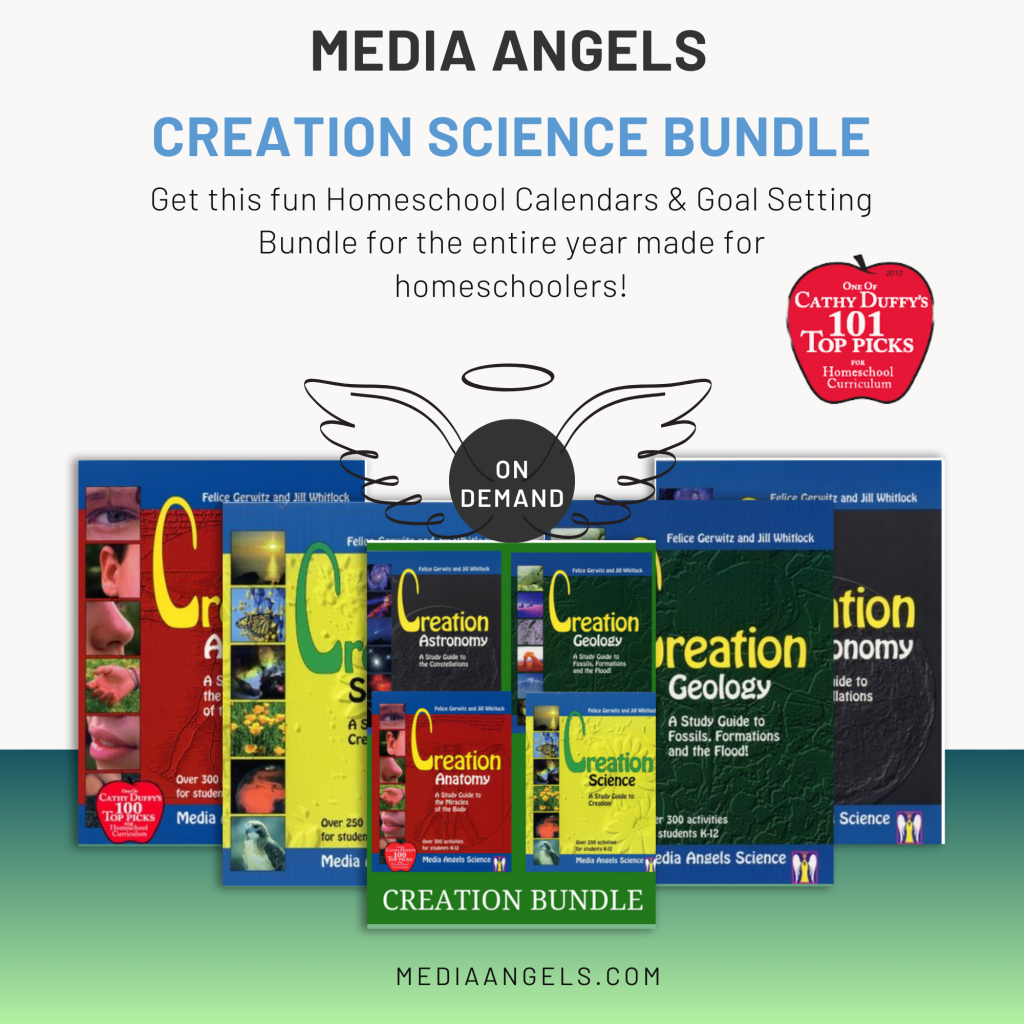
🎓 Resources from Media Angels: Go deeper with the complete Creation Science for Homeschoolers guide — or explore the Creation Geology Study Guide.

Boy-Friendly Homeschooling: How to Help Boys Thrive in Learning

🌿 This episode is proudly sponsored by Eden’s Table — a Christ-centered herbalism curriculum for K-5 homeschool families. One plant a week, woven through Bible, science, history, art, and Latin.

Try a free week →


Boy-friendly homeschooling

Boy-Friendly Homeschooling

In this episode of Making Biblical Family Life Practical, Raising Real Men founders Hal and Melanie Young share practical, encouraging strategies for homeschooling boys in a way that works with their design—not against it.

If you’ve ever wondered why your son struggles to sit still, resist worksheets, or stay focused… this conversation will feel like a breath of fresh air.

We had six boys, one after another, and thought our family’s sort of crazy was just normal life. Then people who had girls first started asking, “How in the world do you manage to homeschool all those boys?” The fact is, they are very different from their sisters – and from the moms who teach them both. This episode, we look at some basic principles we’ve learned about creating a homeschool that works with boys as they are rather than struggling to fit them into a less boyish mold.

Sponsored by CTCMath.com

New Here? Start with These Episodes

What You’ll Learn in This Episode

  • Why boys and girls learn differently—and why that matters
  • How to create a boy-friendly learning environment
  • The importance of movement, competition, and hands-on learning
  • What to do when your son struggles with reading, writing, or focus
  • How to navigate middle school “brain remodeling” years
  • Why high school is often when boys finally thrive academically
  • The powerful role of discipleship over academics

Key Takeaways for Homeschooling Boys

1. Boys Learn Best Through Movement

Boys often need physical activity to stay engaged. Sitting still too long can actually prevent learning.

Try:

  • Short movement breaks (jumping, running, trampoline)
  • Standing desks or whiteboards
  • Learning while walking or doing hands-on activities

2. The Environment Matters

A typical “cozy classroom” setup may not work.

Boys often prefer:

  • Bright lighting
  • Cooler temperatures
  • Active, engaging interaction

3. Delay Writing, Emphasize Learning

Fine motor skills develop later in boys.

Instead of pushing worksheets early:

  • Focus on reading, listening, and discussion
  • Use hands-on learning and storytelling
  • Reduce frustration by meeting developmental readiness

4. Competition Can Be a Tool (Not a Problem)

Healthy competition motivates many boys.

Ideas:

  • Beat-the-clock challenges
  • Competing against their own previous scores
  • Simple rewards for improvement

5. Middle School Is a Transition—Not Failure

During puberty, boys experience brain restructuring that impacts learning.

Expect:

  • Decreased focus
  • Slower progress
  • Need for more support

Respond with:

  • Encouragement (not comparison)
  • Extra guidance
  • Patience

6. High School Is Often the Breakthrough

Many boys who struggle earlier:
➡️ Become independent learners
➡️ Excel academically
➡️ Develop deeper thinking skills

Don’t panic in the earlier years—growth is coming.

7. Discipleship Is the Real Goal

Homeschooling isn’t just about academics.

It’s about:

  • Walking through life together
  • Modeling faith and character
  • Building strong relationships

“Education” in Scripture is far more about discipleship than curriculum.

 Practical Tips You Can Use Today

  • Let your son move while learning (yes—even upside down on the couch 😄)
  • Read aloud often—don’t rely only on independent work
  • Add real-life skills (cooking, building, chores)
  • Adjust expectations for writing and fine motor tasks
  • Focus on connection over performance

Resources Mentioned

  • Raising Real Men book
  • Homeschool support for struggling learners
  • Dyslexia resources and encouragement
  • Newsletter and freebies at Raising Real Men

Sponsor Spotlight

Looking for a flexible, engaging math program?

Check out CTCMath—a comprehensive K–12 curriculum with step-by-step video lessons that help kids truly understand math concepts.

Quick Answers

How should boys be taught differently in homeschooling?
Boys often learn best through movement, hands-on activities, and active engagement rather than passive instruction.

Why do boys struggle with writing early on?
Their fine motor skills typically develop later than girls, making early writing tasks frustrating.

Is it normal for boys to fall behind in middle school?
Yes. Many experience a developmental phase that temporarily impacts focus and performance.

When do boys typically excel academically?
Often in high school, when abstract thinking and maturity catch up.


📢 Connect & Subscribe

This podcast is part of the Ultimate Homeschool Radio Network.

💬 Love the show?

  • Leave a review
  • Share with a homeschool friend
  • Subscribe for more practical, faith-based family insights

RESOURCES YOU MIGHT APPRECIATE

Our hour-long workshop,

“Ballistic Homeschooling” 

—

Our book, Raising Real Men

Fall Homeschool Kickoff: Fresh Ideas to Reignite Learning at Home

Fall Learning Starts Now | When does fall learning start? It starts now. Before long, we will turn over the calendar (or swipe right or up) on a digital device and see that the holidays are approaching. We have a fall, Thanksgiving, and Christmas…three in a row! What is a busy homeschool mom to do? | #podcast #homeschoolpodcast #Blessingsfromheaven #StreamlineYourHomeschool #FallLearningStartsNowFall Learning Starts Now ~ Episode 504

When does fall learning start? It starts now. Before long, we will turn over the calendar (or swipe right or up) on a digital device and see that the holidays are approaching. We have a fall, Thanksgiving, and Christmas…three in a row! What is a busy homeschool mom to do? In this episode, Felice shares how she prepares for the active months with an action plan.

Thanks to our ongoing sponsor, CTCMath.com, and their excellent math curriculum for grades K-12

How many of you have planned out your entire year until Christmas? Raise your hand. Okay, so if not, no worries, I will help! First, I recommend you get on our email list and sign up for our latest planners. I have an ongoing series of monthly Organize It Planners for the year. These planners are chock-full of tips you can implement quickly. You will receive a new topic free each month. The upcoming Organize It is for October, with information on preparing your home for the forthcoming holidays.

Cooler Months – Ripe for Fall Learning

During the cooler months, planning things that take the children outdoors is nice. If you have younger children, you may want to add seasonal activities, such as fall crafts. You can also jumpstart the fall decorations by making paper chains using fall colors. I have some links to podcasts on the topics.

One of my favorite topics to study was trees and their types of leaves; if you’re blessed to live in the north, you have the full array of fall leaves coming soon! For those of us in the South, it means taking a trip up north or learning about these things via a book or online. Then there are the fall activities such as parties, fairs, cooking contests, and many other things that we, as homeschoolers, want to take advantage of. Often, harvest parties begin in October … then there is Thanksgiving, and around the corner, Christmas. Christmas quickly takes over the entire month of December. Between baking, shopping, and activities, there doesn’t seem to be much time left at school.

So, what is a busy mom to do? Well, the best thing I can advise is to get as much done as possible before the holidays, including school. As homeschoolers, we sometimes fit our household into our homeschool or our homeschool into our family. I’ve received emails from many people who have said when they’ve done an excellent job homeschooling, they’ve done a lousy job managing their homes, and vice versa. Well, you can do both.

So, first things first, how much time do you have?

Fall Learning Action Plan:

The age-old question. Well, let’s start with this:

  1. What is your daily routine?
  2. What is today’s job, and what is tomorrow’s job?
  3. What are your non-negotiable? (Taking care of your family, eating, and sleeping fall into this category!)
  4. Distractions? How can we combat these?
  5. What is the next upcoming event this week? This month? And for the next three months?

Now that you have an overview and overview of how to plan, let’s get going! What do you want to get done this month? With fall on the horizon or whatever the next big thing is, it is essential to use these pockets of time and focus on learning. At the beginning of each school year, you should look at the books or curriculum you plan to use and decide how long it will take you to complete in one school year. It may take six weeks or more to complete if it is a detailed unit you are studying.

Another thing to consider is using the days the kids are doing well and doubling up on activities. We did this to keep our Fridays free. In this way, we could use Fridays as a catch-up day, or we could use it for field trips or other activities we had planned. Of course, as the children get older and schoolwork piles up, it may not be as easy to have a free day a week once you can look at your priorities, the things you have to accomplish each day and work around those items.

We completed most of our homeschooling before Thanksgiving in late August, September, October, and November. After Thanksgiving, we were lucky to meet for a full two weeks with all the extra activities planned for Christmas. Of course, after Christmas was the New Year, and this was a solid vacation time.

In the new year, most of our schoolwork was in January, February, and March. Do you see a pattern here? We focused on the times between holidays and other significant events for our family. For some of you, Easter may not be a big event, but it is in our home, and we typically take a week off, a week before Easter, and a few days afterward. After Easter, all the kids can see his summer on the horizon. Therefore, working hard on days too hot or cold to go outside is essential. My children naturally do better when there are fewer distractions. I’m sure yours do as well!

I have links in the other podcasts’ show notes with great ideas for fall activities.

Past Episodes on Fall and Activities Kids Can Do:

Celebrate Fall Baking

October Checklist- 

To purchase Checklist Planners, go here.

Thanksgiving Gifts and Crafts

DIY Crafts for Kids

Great Gifts Kids Can Make

For example, fall is an excellent time for baking. We did a lot of bulk baking that we could freeze, and when the holidays came around, we had ready-made sweet bread that we could give away as gifts, cinnamon rolls, and more. There is a baking link here: Celebrate Fall Baking.

If you don’t like to bake, perhaps you like crafts. Before Christmas, we focused on making presents for grandparents, aunts, and uncles. Gifts link here.

As the winter months get closer, use this time to spend reading together as a family. Our favorite times were reading the Little House on the Prairie and other books in front of the fireplace with cups of cocoa. These are memories you can create with your family and get some learning in there as well. We often read books that went along with the themes we were studying.

I would throw in some hands-on experiential activities to round up your fall learning. If you have read any of my books (LINK HERE), you understand my need to involve the children. As a child and even an adult, I love to learn by doing. Sure, reading it in a book and moving on is more accessible, but what about authentic learning, learning things the children will remember?

Encourage your children to set time limits to get things done, especially if you have a child who takes all day to get math done. That usually means there’s nothing else the child wants to do afterward. If we give our children those to get their schoolwork done, more than likely, they will work right along. I also encourage your children to find hobbies or things they want to pursue in our family. Children my three youngest children play sports each day, and they have to spend time practicing. If your child plays a musical instrument and has another hobby, I am sure they also need time to pursue this interest.

We want to instill values that allow our children to do what is right, not just when we’re watching them. Give them opportunities to learn independently, especially if they are old enough, then make sure you check their work each day or at least every couple of days. I remember leaving their schoolwork for a week to check, and then sometimes I would be overwhelmed by all I needed to grade and be frustrated when I saw the work was half done. If I keep up with this, it’s helpful. My husband was willing at times when I was overwhelmed. He would take over the grading, and the children disliked it because he was much stricter than I was

I hope these ideas help you to accomplish and have time for all the fun activities. Be sure to visit me at mediaangels.com. Come check out our podcast family at our Facebook group, which is a homeschooled podcast family; you can look for that or search for it. If you have any questions, contact me on our FB group.


Cultural Learning, Homeschooling and More

Homeschooling Cultural Education: Enhancing Child Learning Through Diversity Exposure with Leah Farish and Felice GerwitzAs homeschoolers, our world is an open classroom. How do you include cultural learning into your homeschool? Tune in as my special guest, Leah Farish, joins me, Felice Gerwitz, on Vintage Homeschool Moms.

Sponsored by CTC Math

Cultural Learning ~ Episode 562 with Leah Farish

Leah is an award-winning attorney, author, and speaker who has not only homeschooled but represented homeschooling families.  Her podcast, Conversation Balloons, is in Spotify’s Top 25% and is on YouTube and all the other main platforms.  Her website is LeahFarish.com

Introduction to Cultural Learning in Homeschooling

Leah shares her journey from a legal career to homeschooling her children, emphasizing the value of cultural learning. We explore how cultural exposure can enhance a child’s education, broadening a homeschooling approach. Cultural learning is often overlooked in traditional education, but homeschooling offers unique opportunities to integrate it meaningfully. Leah’s background as a homeschooling parent and her passion for cultural diversity provide a compelling case for why this topic matters.

Leah’s Homeschooling Journey

Leah never planned to homeschool. As a former attorney and certified teacher, she trusted professional educators—her family was full of them! But when her son’s Montessori school didn’t meet his needs, she felt called to take charge. We hear how she balanced her legal career with homeschooling by focusing on what only she could offer her kids and delegating the rest, like driving to art classes. Her story is a great example for busy parents wondering how to make homeschooling work.

Why Cultural Learning Matters

Leah’s childhood travels with her pilot father sparked her love for other cultures, and she wanted her kids to share that appreciation. We explore how learning about different people and traditions builds humility and respect for your own heritage while opening kids’ eyes to the world. It’s about helping them grow into thoughtful, curious individuals who value the beauty of diversity.

Fun Ways to Bring Cultures Home

Leah shares creative ideas for making cultural learning a part of homeschooling. From hosting international students for dinner to throwing a Brazilian culture party with 50 kids, she shows how to make learning hands-on and fun. We hear stories of her kids meeting people from Syria, China, and beyond, tasting new foods, and asking quirky questions like, “Do they spank kids in Brazil?” These tips are perfect for parents looking to spark their kids’ curiosity about the world.

Diving into Languages and Traditions

Language learning and cultural immersion go hand in hand, and Leah’s family embraced both. We laugh over her kids’ attempts to learn Chinese and their mission trip to Mexico, where her daughter declared, “I love my language!” These moments show how homeschooling lets you personalize cultural experiences, whether it’s practicing Spanish with new friends or discovering unique traditions like fencing as a sport.

Connecting Faith and Culture

Leah and Felice talk about the spiritual side of cultural learning, like attending a worship service on a ski slope or visiting St. Peter’s in Rome. We see how these experiences teach kids about the unity of faith across cultures and strengthen family values. Whether it’s exploring a local synagogue or a Greek Orthodox church, these moments help kids connect with their beliefs and the world around them.

Navigating Homeschooling Laws

Leah, with her legal background, sheds light on the challenges some homeschoolers face as lawmakers push for more oversight. We discuss truancy laws and the need to know your state’s rules—check out HSLDA’s website for details. Her insights help parents feel confident in their rights while navigating the system, especially in states where homeschooling feels under threat.

Building Community Through Homeschooling

Homeschooling fosters independence and creativity, and Leah points to studies showing homeschoolers are more likely to vote and volunteer. We also learn how some states let homeschoolers join public school sports or music programs, giving kids the best of both worlds. It’s all about finding local resources to make your kids’ education well-rounded and connected.

Creating a Lasting Homeschool Legacy

Leah wraps up by reflecting on the legacy of homeschooling. We hear how following her instincts and faith led to a rewarding experience for her family. Her story inspires parents to trust their gut and create an education that blends cultural learning with their unique values, leaving a lasting impact on their kids.

Get Inspired and Take Action

Felice closes the episode with a call to explore cultural learning at Vintage Homeschool Moms. Check out Leah’s podcast, Conversation Balloons, and visit her website at leahfarish.com for more. Subscribe to the podcast, share it with friends, and start bringing the world into your homeschool today!

Model Diplomacy: A Hands-On Government Activity for Teens

This week on Homeschool Highschool Podcast: Model Diplomacy with Natalie Mack.

Model Diplomacy with Natalie Mack

Model Diplomacy with Natalie Mack

One of the blessings of homeschooling high school is the ability to give our teens some outstanding extracurricular experiences. Model Diplomacy is one of those marvelous opportunities. Our friend and Cousin, Natalie Mack, teaches Model Diplomacy. She agreed to tell us about it!

Model Diplomacy is a gift we can give our homeschool high schoolers to help them be better prepared for life and good citizenship.

About Natalie Mack

Natalie’s family has been homeschooling a for over twenty-three years. She and her husband (a retired Navy chaplain) have five children. Four of them have now finished college and one just graduated from homeschooling high school. (You will love her son Nathaniel’s interview on the podcast. He shared about his experiences with a Virginia Conservation District’s student project program.)

In her other hats (and Natalie has LOTS of other hats), she serves as:

You can find Natalie all over the place, even on Tedx (where she talked about homeschooling). You could say that Natalie Mack is a diplomat for homeschooling families!

About Model Diplomacy

When Natalie was working on her degrees at Spelman College, she was a double major in Political Science and Spanish. Her plan had been to go on to graduate school and study International Affairs. In graduate school Natalie ended up switching her major to Counseling. (So she and Vicki are both counselors.) She worked as a counselor in private practice and as a drug and alcohol therapist. Then came homeschooling for more than two decades!

Whether it was counseling or International Affairs, Natalie has always been drawn to is the study of people and culture. As a homeschool mom, Natalie has been teaching Civics to local homeschool high schoolers so that they could earn their required credit while learning about government and how to be a good citizen in a nonpartisan manner.

After a while, Natalie was contacted by the Council for Foreign Relations, known as CFR. They mentioned a Model Diplomacy educational resources. She was excited. She began teaching Model Diplomacy in-person the military homeschoolers in her area. Then, as the word got out, more teens wanted her classes, so she added some of her own resources and moved to Google Classroom.

Just a few of the topics and resources from CFR that Natalie has used include:

There are resources and discussion material for teachers and students for these topics and more.

  • The United States, Russia, and China and the fight for who governs and controls the Arctic
  • Explosion of the USS Maine in 1898
  • Cuban immigration in 1980
  • What are asylum seekers?
  • Climate migrants, people who are devastated by natural disasters and weather phenomenon
  • The Zimmerman Telegram.
  • Who owns space?
  • The Oregon boundary dispute in 1845
  • How do nations interact?
  • What makes a good citizen?

So, teens are learning current events and past events that were current events at that time. They learn perspective-taking, how governments work, and how to be a good citizen.

Teens learn better with examples. That’s why the lessons are example based. Through the examples, they see and discuss the ways things actually interacted in the past and in the present, rather than just reading a textbook.

Model Diplomacy Popup

Natalie calls her class the Model Diplomacy Popup because the individually segmented events popup in time.

Each lesson includes:

  • new vocabulary
  • historical background information
  • understanding different perspectives and positions on the topic
  • the event/topic of the lesson
  • application-to-diplomacy discussions
  • homework: a question to research and develop a stance on

If Model Diplomacy looks interesting for your homeschool high schoolers, contactNatalieMack@gmail.com and mention Model Diplomacy classes.

You can also find Natalie Mack at:

Join Vicki and Natalie for a delightful discussion on Model Diplomacy.

Thank you, Seth Tillman for editing.

PLEASE SUBSCRIBE TO HSHSP VIA COMPUTER

  1. Follow this link to our Apple Podcasts page.
  2. OR take this IMPORTANT STEP: Under our Homeschool Highschool Podcast logo, click on View in “…your favorite podcast source”
  3. This will take you to Apple Podcasts or your favorite podcast source and our own podcast page.
  4. Click SUBSCRIBE.
  5. Click RATINGS AND REVIEW. (Please take a minute and do this. It helps others find us. Thanks!)
  6. Thanks!

PLEASE SUBSCRIBE VIA iPHONE

  1. Tap the purple Podcast icon on your phone
  2. Tap the search icon on the bottom-right of your screen
  3. In the search bar type: Homeschool Highschool Podcast
  4. Tap the Homeschool Highschool Podcast icon
  5. Tap *Subscribe*
  6. Please tap *Ratings and Review*

Stress-Free Summer Learning: Keep Kids Sharp Without the Fight

In today’s episode, “Stress Free Summer Learning,” I’ll share easy, flexible tips to keep your kids learning without the stress. From unit studies to outdoor adventures, get ready for a fun, low-key summer of growth!

Stress-Free Summer Learning: Homeschool Tips for Fun and Growth ~ Episode 562

Summer is a time for relaxation and family memories, but it’s also a perfect opportunity to keep your children’s learning on track. In this episode, I’ll share streamlined homeschool schedules that maintain educational momentum without overwhelming you or your kids. If you’ve listened to this podcast before, welcome back, and you know I only share practical tips that don’t break the bank! If you are new, welcome friend (or soon-to-be friend), and I hope you enjoy some ideas for short lesson plans, including unit studies, outdoor learning, and simple yet impactful activities.

Whether you’re a year-round homeschooler or just sprinkling in some summer learning when the kids are acting bored, this podcast is for you.

Thanks to our sponsor! NIV Application Bible

Why Stress-Free Summer Learning Matters

Summer can be a balancing act with vacations and family events. However, research shows that students can lose 20-25% of their reading and math gains over the summer, known as the “summer slide.” A flexible, streamlined schedule keeps kids’ brains engaged without turning summer into a grind.

The key? Flexibility. Short, meaningful activities that fit your family’s rhythm make learning feel like a refreshing summer breeze. Here’s how to make it happen.

Check out this related podcast for more summer inspiration.

Tip 1: Embrace Unit Studies for Focused, Fun Learning

What Are Unit Studies?

Unit studies are a fantastic way to streamline summer learning by diving deep into one topic, for example, oceans, dinosaurs, or space, while covering multiple subjects. For example, an ocean unit study might include:

  • Science: Exploring marine life, weather, water cycles, buoyancy, or even scuba diving.
  • History: Learning about the history of scuba diving
  • Literature: Reading non-fiction books on the subject.
  • Art: Drawing marine life or creating a coral reef diorama.

It can even be hands-on and practical. Playing in a pool or tub with items that sink or float, talking about air bubbles and compression, and asking if anyone is SCUBA certified for a hands-on lesson, or visiting a dive shop.

Why Unit Studies Work for Summer

Unit studies are flexible, interest-driven, and low-prep, making them ideal for summer. They’re perfect for multi-age homeschooling, allowing everyone to learn at their level, and they align well with Christian principles for faith-based learning.

Tailoring for Middle and High Schoolers

How to Get Started

  1. Pick a Topic: Ask your kids what excites them. A library trip or family poll can spark ideas.
  2. Gather Resources: Use free printables, library books, or podcasts from the Ultimate Homeschool Podcast Network.
  3. Plan Lightly: Aim for a few short activities each week.
  4. Incorporate Hands-On Fun: Visit an aquarium or build a model submarine from recyclables.

Unit studies make learning feel like an adventure, keeping both you and your kids stress-free!

Tip 2: Take Learning Outdoors

The Power of Outdoor Learning

Outdoor activities boost creativity, reduce stress, and improve focus, according to studies. Nature is a free, open classroom ready for exploration.

Outdoor Learning Ideas

  • Nature Journaling: Sketch plants or bugs and add a Bible verse like Psalm 19:1 (“The heavens declare the glory of God”). Younger kids can record observations on a phone.
  • Math in Motion: Draw number lines with sidewalk chalk or measure angles in a scavenger hunt.
  • Science Experiments: Build a solar oven or test objects in a kiddie pool.
  • History on the Go: Visit a local historical site or discuss community history during a neighborhood walk.

Tailoring for Middle and High Schoolers

Tips for Success

  • Keep It Simple: A blanket and books under a tree work wonders.
  • Be Flexible: Schedule activities for cooler parts of the day.
  • Involve Everyone: Include siblings or neighbors for group fun.

Explore our Kids’ Planner for more outdoor activity ideas.

Tip 3: Use Short, Focused Activities to Maintain Momentum

Bite-Sized Learning

Short activities fit busy summer days and keep kids engaged without feeling overwhelmed. They also leave room for spiritual growth.

Examples of Quick Activities

  • Morning Read-Alouds or Devotionals: Read from the Bible, or your favorite devotional. Or you can read one of the library books on the topic you are studying.
  • Flashcard Fun: Use multiplication flashcards or SAT vocabulary during breakfast.
  • Podcast Challenges: Try our 7-Day Just for Kids Podcast Challenge for character-building activities.
  • Daily Writing Prompts: Spark creativity with prompts like “What’s in a treasure chest?”

How to Make It Work

  • Set a Loose Routine: Plan one activity daily or a few weekly.
  • Use Timers: Keep sessions short and focused.
  • Celebrate Small Wins: Praise efforts with high-fives or stickers (Galatians 6:9).

These quick bursts keep skills sharp while preserving summer’s joy.

Tip 4: Leverage Free Resources to Keep It Low-Cost

Where to Find Free Summer Learning Tools

Homeschooling doesn’t have to be expensive. Try these free resources:

Tailoring for Middle and High Schoolers

Pro Tip: Plan Ahead (But Not Too Much!)

Spend a few minutes bookmarking resources at the start of summer. Our Homeschool Success Planner helps organize your ideas.

Keep It Simple, Keep It Fun

Streamlined summer learning is about keeping things lightweight and enjoyable. Embrace unit studies, outdoor adventures, short activities, and free resources to maintain momentum without stress. You’ve got this!

Share your favorite summer learning tips in the Vintage Homeschool Moms Facebook group or at ultimateradioshow.com/blog. If you enjoyed this episode, please leave a review on your podcast app to help other homeschool families find us.

Thanks to our sponsor for supporting this episode. Until next time, keep homeschooling with joy and confidence. This is Felice Gerwitz, take care, God bless, and I’ll talk to you soon!

Resources Mentioned

🎓 Resources from Media Angels: Go deeper with the complete Creation Science for Homeschoolers guide — or explore the Creation Geology Study Guide.

Google Arts & Culture Games: Free Learning Fun for Homeschoolers

📚 Part of our guide: Free online games for homeschoolers

Google Arts and Culture Games

315: Google Arts and Culture Games

In this episode of Homeschooling with Technology, we dive into the interactive games and activities available through Google Arts & Culture.

What Is Google Arts & Culture?

Google Arts & Culture is a free platform that puts the world’s museums, masterpieces, and history right on your screen. Its “Play” section turns all of that into games and interactive activities — a perfect, no-cost way to add a spark of art, history, and culture to your homeschool day.

The Best Google Arts & Culture Games for Homeschoolers

Here are some of the most fun and educational activities to explore in the Play section:

  • Puzzle Party — jigsaw puzzles of famous artworks you can solve solo or together as a family.
  • Art Coloring Book — color digital versions of masterpieces and meet the artists behind them.
  • What Came First? — put inventions and historical events in order (a painless history review).
  • Blob Opera — create your own opera with zero musical skill required — pure delight for younger kids.
  • Play a Kandinsky — turn the artist’s shapes and colors into music.
  • Art Selfie & Art Transfer — match your photo to a famous portrait, or turn snapshots into works of art.
  • Visual crosswords & culture quizzes — test what your kids know about art and history.
  • Pocket Galleries & virtual tours — walk through world-famous museums without leaving home.

How to Use Google Arts & Culture in Your Homeschool

  • Art appreciation made fun — pair a puzzle or coloring activity with an artist study.
  • Living history — use “What Came First?” and virtual museum tours to bring timelines to life.
  • Geography & culture — explore museums and landmarks around the world as a virtual field trip.
  • Rainy-day or Friday fun — a screen-time option that’s actually enriching.

Is it free? Yes — Google Arts & Culture is completely free, works in any web browser or as a free app, and most activities need no account or login.

Meryl walks through her favorite picks in the episode below — press play and start exploring.

More Free Game Ideas From the Show

Resources Mentioned:


Key Highlights:

  1. Introduction to Google Arts & Culture Games:
    • Overview of the “Play” section on the platform.
    • How these games can supplement art and cultural education for homeschoolers.
  2. Game Reviews and Ideas for Homeschoolers:
    • Mixtape: Combine famous artworks with music and use it to spark discussions about art and emotions.
    • Art Zoom Out: Predict what surrounds a partial artwork and engage in imaginative storytelling.
    • Talking Towns: Explore cultural landmarks with AI commentary.
    • Doodle Guide: Hone drawing skills with interactive feedback.
    • Mice in the Museum: A charming introduction to art for younger learners with two mice discussing paintings.
  3. Musical Activities:
    • Musical Canvas: Draw and create music simultaneously.
    • Blob Opera & Kandinsky Experiment: Engage with sound and color through interactive tools.
  4. Puzzle Games:
    • Puzzle Party: Create jigsaw puzzles from famous artworks and collaborate remotely.
    • Undough: A playful spin on Hangman, uncovering world monuments.
    • Odd One Out: Identify AI-generated art among real pieces.
    • Cultural Crosswords & Visual Crosswords: Challenge your knowledge of arts and culture.
  5. Coloring Pages & Trivia Fun:
    • Coloring activities featuring themes like NASA, pandas, and Christmas.
    • Trivia games like “Guess the Line,” where AI guesses your drawings.

How to Use These Games in Homeschooling:

  • Foster creativity and critical thinking.
  • Incorporate games into art, music, and culture lessons.
  • Use them for family collaboration and fun learning moments.

Take a look at show sponsor, FundaFunda Academy to see what they offer for online classes and web-based unit studies. Sign up for their newsletter to get monthly AI tips and learn about cool online resources. Follow their Instagram for weekly Tuesday Tech Tips.

Join our Facebook Group, especially for the listeners of this podcast! You can ask questions and get advice as you try integrating technology into your homeschool.

If you enjoyed this episode, please subscribe to the show and give a rating and maybe even a review! Subscribing will help you make sure you never miss an episode


Google Arts and Culture Games Pin


🎧 Love screen time that actually teaches?

Meryl van der Merwe shares hands-on tools like these every week on Homeschooling with Technology — practical tech that fits real homeschool days.