Search Results for: homeschool goals

Goals and Grading Writing for Homeschool High School

This week on Homeschool Highschool Podcast: Goals and Grading Writing for Homeschool High School.

Goals and Grading Writing for Homeschool High School

Goals and Grading Writing for Homeschool High School

For homeschool high schoolers, one of the most time consuming components of English/Language Arts is the writing. Then one of the most time-consuming components of ELA for homeschooling parents is the grading and goal-setting process. We receive so many questions on goals and grading writing that we decided we should talk about it here on the podcast.

Let’s start with grading. Here is the simple answer for grading writing assignments: Use a rubric!

What’s a rubric?

A rubric is a tool that helps homeschool parents know what value to assign each aspect of their teens’ writing assignments. There are a gazillion ways to create a rubric, based on what is being emphasized in each writing project.

Where do you find rubrics?

You can create you own rubrics or download one off the internet (there are SO many variations on the internet, so you will find something that feels right to you).

For your convenience, we 7Sisters have saved you the time and trouble and included rubrics in our writing curriculum for:

You can even adjust the rubrics to fit your goals for your homeschool high schoolers!

Goals for writing in homeschool high school

Which leads us to the next questions that we receive so often:

  • “I don’t know what the goals should be for my teens’ writing each year. Help?”
  • “I don’t really like writing myself, so how can I set goals for my teens?”
  • “How can I know the priorities for writing?”

Let us help out a bit. Let’s define what the most helpful goals for writing can be. (Remember, there’s not ONE right way to homeschool high school, so you adapt our advice to your own family’s needs.)

Goals for writing: What is the heart and soul of writing?

One of the things we have noticed over the years is that sometimes writing curriculum focuses so much on the mechanics of writing (spelling, grammar, punctuation) that there is absolutely nothing left for fun or inspiration.

Teens often need purpose, meaning and inspiration in their writing. Teens often do best when they know the “WHY” of writing. Do you know the why of writing, BTW?

The purpose of writing is communication!

The purpose of writing is communication.

The purpose of writing is communicating so that people understand what teens are feeling, thinking, learning, being inspired by. So they should ask themselves for each assignment, “What am I trying to communicate here?”

  • For instance, in a comparison and contrast essay about something. The purpose is to help the reader understand what you thought about the similarities and differences of whatever is being compared.
  • For a research paper, the purpose is to communicate what your teen has learned about a subject while doing their research on the topic. (As opposed to the idea that a research paper is about a teen’s opinion about what they are learning. The goal of research papers is information presentation, not opinion presentation.)

One of the best gifts we can give our teens is lots of practice organizing and communicating their thoughts. High school writing can help train teens on thinking and sharing those thoughts through life.

If a teen starts a writing project with those goals in mind, and the grader keeps those goals in mind, life will be easier for both! SO, start out each writing project with a discussion with parent and teen on the goals. Make it clear. Go over the rubric together.

BTW- We 7Sisters have graded SO many papers over the many years of teaching our kids and others. It has not been unusual for teens to complain about writing. However, after graduation and teens have entered adulthood, they have often come back to us and said, “thanks for all the writing”!

Also, know that grading and goals will vary for teens who have different abilities

All teens are different. This is good. So grading cannot be one-size-fits-all!

  • Teens who struggle with reading and writing, will need a simpler rubric and adaptations of goals.
    • BTW-if you have a struggling writer, go easy on the red-pen corrections. Instead, work together on several revisions with lots of encouragement.
  • A teen who is headed to college as a humanities major will need lots of writing with higher-level thinking and word usage. Adapt your rubrics to their needs.
  • Teens who are reluctant but able, need to concentrate on fun, short assignments at first, then gradually grow the assignments.
  • Teens who overthink things, need page limits.

So think about what your teens’ abilities, personalities and goals for after graduation are. As the parent, you know your teens and their needs. Adapt goals and grading to fit those needs.

For lots more information on writing requirements and grading for homeschool high schoolers, check out 7Sisters Authoritative Guide post.

Join Sabrina and Vicki for an informative discussion on goals and grading for homeschool high school writing.

PLEASE SUBSCRIBE TO HSHSP VIA COMPUTER

  1. Follow this link to our Apple Podcasts page.
  2. OR take this IMPORTANT STEP: Under our Homeschool Highschool Podcast logo, click on View in “…your favorite podcast source”
  3. This will take you to Apple Podcasts or your favorite podcast source and our own podcast page.
  4. Click SUBSCRIBE.
  5. Click RATINGS AND REVIEW. (Please take a minute and do this. It helps others find us. Thanks!)
  6. Thanks!

PLEASE SUBSCRIBE VIA iPHONE

  1. Tap the purple Podcast icon on your phone
  2. Tap the search icon on the bottom-right of your screen
  3. In the search bar type: Homeschool Highschool Podcast
  4. Tap the Homeschool Highschool Podcast icon
  5. Tap *Subscribe*
  6. Please tap *Ratings and Review*

Goals and Devotions: Homeschooling, the First Year

Hey, homeschoolers! I had the best birthday thanks to many of you. I appreciate your encouragement more than you know. This week I had the chance to catch up with our new homeschoolers. It was a fun conversation. The topic of the month is achieving goals with help.

Goals First Year Homeschooling Podcast

Read the blog post

Before we get to our interview, I want to invite you to join the HomeschoolScopes.TV community. Whether you’re a new or experienced homeschooler, I know you’ll love the friendship and support there. Click to join and you’ll be approved.

Teaching Tip of the Week

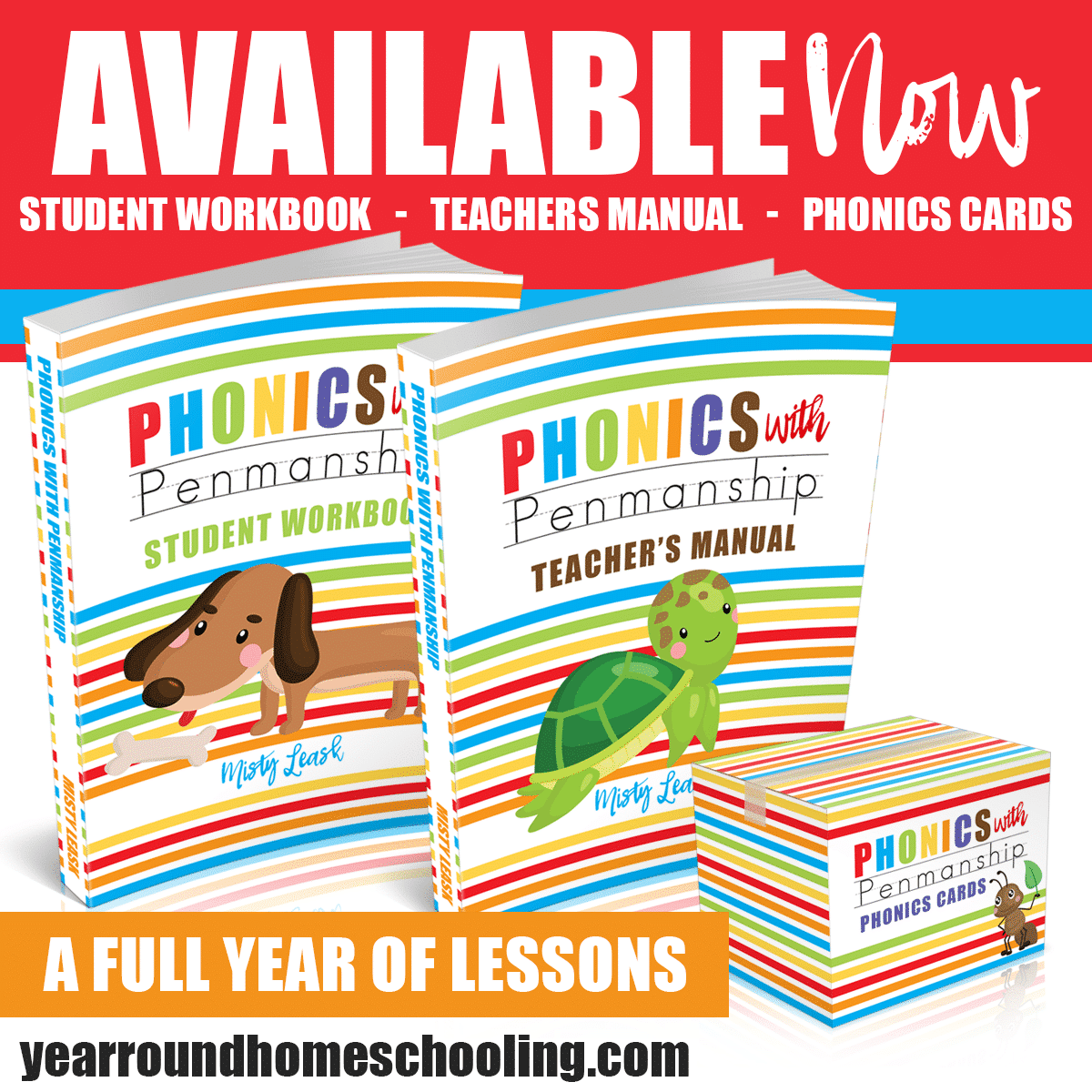
Prepare your young learner with an excellent phonics and handwriting program. This is the foundation for all future language arts learning, including Grammar Galaxy, my elementary language arts curriculum. Misty Leasy of Year Round Homeschooling has created a two-year phonics and handwriting curriculum that fills that need. It’s fun and comes with free activities via email that correspond to the letters and sounds you’re learning. Join me and Misty on Facebook on August 8th at 4E/3C/2M/1P or catch the replay to learn how to prepare young learners for reading and writing.

preschool phonics, prek phonics, phonics curriculum

Goals and Devotions Challenges

I got to catch up with Mai Lynn, Courtney, Erica, and Jolene this week about chores and meal planning. Jeannette caught up with me via email.

Chores went pretty well. Instead of going ahead and doing it because it was bothering me, I assigned jobs and they accomplished a lot most days. lol I didnt really get a hold of laundry yet. Meal planning did get a little better. knowing what I was going to make made dinner less stressful. I started cutting things and freezing it to prepare for meals.

Some goals are to relax more and remember they are still young. We will focus on reading and character.

My faith goes up and down daily. One day I’m sure God will provide and I remind myself of all He’s done so far. Then other days I see no way and I wonder how it will all happen. But this journey so far definitely has given me more faith-filled days.

Links

The Organized Homeschool Life

Instant Pot

Sidetracked Home Executives

Last month’s homework

The Homeschool Highschool Podcast Ep11: Highschool’s 4 Year Goals

The Homeschool Highschool Podcast Ep11: Highschool’s 4 Year Goals

Homeschool Highschool Podcast: 4 Year GoalsThe Homeschool Highschool Podcast Ep11:

Highschool’s 4 Year Goals

You must have goals if you are going to usher your teen through successful homeschool highschool years. What are the important goals for a highschooler’s academic, character and personal development?

Don’t be intimidated! You can do it!

Join Sabrina and Vicki as they share how to set and enjoy Homeschool Highschool’s 4 Year Goals!


The Homeschool Highschool Podcast Ep11: Highschool’s 4 Year Goals

Productivity as a Homeschool Mom: The Five-Thing List That Works

Productivity as a homeschool mom: five things, not ten. Write tomorrow’s list tonight, then do number one first. Felice Gerwitz, Vintage Homeschool Moms PodcastYou can listen to every “hack” video on the internet and still run out of time. Productivity as a homeschool mom is not another bottle of peroxide and a clever trick. This episode of Vintage Homeschool Moms is for any mom who wants more productivity in their life.

Productivity As A Homeschool Mom ~ 589

Do you like to listen to the “hack” videos? Five ways to use baking soda. Hidden treasures in a bottle of peroxide. They make us think we found the answer in something that costs pennies, and the millions of downloads prove the point. Everyone wants a short cut.

Hey friends. Thanks so much for joining me. I am here to tell you there is a way, and it costs nothing but a little bit of time. Can I talk about time? We say we do not have one spare second. Then a glass jar breaks, or some other unavoidable interruption happens, and somehow we have time. I have lived this. Ask me how I know.

🌿 This show is proudly sponsored by Eden’s Table — a Christ-centered herbalism curriculum for K-5 homeschool families. One plant a week, woven through Bible, science, history, art, and Latin.

Try a free week →

Show Notes

Notes: http://vintagehomeschoolmoms.com

Keywords: homeschool mom productivity, five things to-do list, homeschool time management, busy homeschool mom routine, stop scrolling start working, household habits that save time

The Meme and the Vanilla

The other day my assistant sent me a meme. It said:

Me: I have zero free time and I’m exhausted.
Also Me: I bet I have time to make homemade vanilla extract for literally everyone I know this Christmas.

I sent her a picture of the finished bottle I had bottled the previous day. I wish I was joking.

Some of us, when we are overwhelmed, turn to the easy things. The things that take the fewest brain cells. That is where the scrolling comes in — YouTube, Facebook, Instagram. It is mindless. It is entertaining. If we are honest, it helps us forget the bigger goals of the day.

This is not a lecture. It is the truth. Here is the way most people who are actually productive work. I have seen it over and over. There are two versions. I will give you the least painful first.

Five Things. Not Ten.

At the end of the day, when you are exhausted — I know — write down the five things you need to get done tomorrow. It can be what did not get done today, an appointment you have, or something that cannot be put off another day. Just five. Not ten. Not twenty. Make it manageable.

After the list is done, put it in priority. One through five.

The next day you look at that list and do the first thing first. Not the second. Not the third. Number one. Then work through the list. That is it. The next evening, the same thing.

Why This Works

It gives you a structure, and the thinking is done the day before. If you are too tired before bed, do it after the children are in bed, or in any down time you have.

It also gives you something to hold when the glass jar breaks or the children are unruly. You already know what comes next. You are not inventing the day while the floor is wet.

One of my friends would call me consistently one day a week. I jokingly asked if I was on a list. The answer was yes. She was one of the most productive people I knew.

The Second Way: Do the Thing in Front of You

This next advice is something I watched a friend do who was neat and tidy. She worked while she was on the phone. When she saw something that needed to be done, she did it. No stepping over a pile of fluffy dog hair. Pick it up. Shoes one of the children left in the way? Ask them to pick the shoes up and put them where they belong.

Habits are actions we do consistently. We can train ourselves.

As a young married woman I left the dishes in the sink overnight, because that never was allowed in my home growing up. It did not take me long of waking up to a messy kitchen to realize there was a reason we did dishes after a meal.

Look around. What needs to be accomplished? Do it five things at a time. Enlist your children, of course. Everyone needs to help. Chores build responsibility and character. But this list of five is just for yourself.

You will feel so accomplished just doing the five things. The warning: do not make it six or seven the next day. If you must add something, do not count an appointment or homeschooling the children. Those sit at the top of the to-do list no matter what.

If the List Alone Is Not Enough

These are not tricks. They are the same habits, said plainly, for the afternoon when the five feel too thin.

  1. Write the five tonight. Thinking is cheaper when the children are asleep.
  2. Do number one first. The second item is a temptation, not a plan.
  3. Handle what is under your feet. Dog hair. Shoes. A dish. Do not step over it and call that rest.
  4. Finish the kitchen after the meal. Morning-you should not inherit last night’s sink.
  5. If a friend calls, work with your hands while you talk — fold, wipe, put away — the way my tidy friend did.
  6. Scroll after the list, not instead of it. The shorts will still be there at lunch. The math page will not grade itself.

Me: Excuse.
Also me: The answer is already on the paper.

Scripture

“Look carefully then how you walk, not as unwise men but as wise, making the most of the time, because the days are evil.”
— Ephesians 5:15–16, RSVCE

Making the most of the time is not packing twenty items onto a page. It is knowing the next right thing and doing it. Attitude sets the tone. Every day is a fresh start.

Resources from Media Angels

More at https://mediaangels.com and https://mediaangels.com/store/.

More Listening

  1. Time Boosters for the Busy Homeschool Mom
  2. Top Ten Time Savers
  3. Organization Hacks for the Busy Mom
  4. Morning Time for Mixed Ages
  5. Confessions of a Homeschool Mom

If this helps, share it with a friend. Until next time, be blessed. Have a blessed homeschool week.

Six Grade Levels at Once: How to Homeschool Multiple Ages

If you have more than one child, then chances are the decision to start homeschooling carries the question, “How can I teach more than one grade level at a time?” This episode, we talk about practical lessons we learned along the way of homeschooling six grades at once … with a toddler in the mix, too!


Kindergarten to senior year at the same table? Hal and Melanie Young on teaching several ages at once: the tutorial method, toddlers, planning and housework.


A father at a homeschool conference asked Hal and Melanie Young the question nearly every new homeschool parent is quietly wondering: How in the world do you teach different children on different grade levels at the same time?

Melanie has done it with six grade levels at once, from a high school senior down to a kindergartener, with a toddler in the mix. Her answer starts with a story about a former classroom teacher who brought her four children home, lined up school desks, installed a chalkboard and taught four separate math lessons in a row. Her school days ran 13 hours. Melanie’s advice to her is the heart of this episode: get your head out of the lecture theory of education.

Recorded in the family van somewhere on Interstate 20, this conversation from the archive is still one of the most practical answers we have to the multi-age question.

In this episode:

  • Why the classroom picture in your head makes multi-age homeschooling seem impossible, and why the one-room schoolhouse is a better model
  • The tutorial method: one child beside you while everyone else works, then the next
  • Teens make their own lists, middle kids get a list, little ones sit next to you
  • Why one-on-one teaching is more efficient than a classroom. If they get it on the first explanation, you move on. If they don’t, you try the next one.
  • Plan by the week and set the days the week before, so doctor’s appointments and surprise field trips don’t wreck the schedule
  • Independence doesn’t move in a straight line. Many 11- and 12-year-olds need more supervision than they did at 9, because of real brain changes before puberty.
  • Your job is to be in charge of the curriculum, not to let the curriculum be in charge of you, and to protect your kids’ love of learning
  • Babies are easy, toddlers less so: give the little ones your first attention and they’ll need less of it
  • Combine history and science across ages. Younger kids learn a lot just by overhearing the older ones.
  • “But when do I do my housework?” Adjusting your expectations, giving your kids chores, and Proverbs 14:4: where no oxen are, the trough is clean, but much increase is by the strength of the ox

“Your point is not to maintain a museum. Your point is you are discipling your kids.”

Scripture mentioned: Proverbs 14:4

Resources mentioned: Hal and Melanie’s workshops Homeschooling a Houseful, Three Simple Goals for Your First Year of Homeschooling and Parenting Preteens at RaisingRealMen.com

This episode is sponsored by Eden’s Table:

Herbalism for kids in the elementary grades, taught from a biblical worldview. One plant a week, with science, history, art, reading and handwriting running through it. It’s open-and-go, so you learn beside your children instead of teaching ahead of them. Start the first nine weeks for $39 at edeninstitute.health/homeschool.

Missed the last one?

Start with Beginning Homeschooling, Hal and Melanie’s answers to the four fears every new homeschool parent has.

More on this topic:

How Do I Teach Several Ages at Once Without Losing My Mind?

Making Biblical Family Life Practical is hosted by Hal and Melanie Young and is part of the Ultimate Homeschool Podcast Network. Find more from Hal and Melanie at HalandMelanie.com.


Encouragement for Homeschool Moms with Jessica Anderson

This week on Homeschool Highschool Podcast: Encouragement for Homeschool Moms with Jessica Anderson.

Encouragement for Homeschool Moms with Jessica Anderson

Need a little homeschool encouragement? We invited our dear friend, Jessica Anderson from Intentional in Life, to come share some homeschool goodness with us.

When you talk with Jessica, you usually feel like you are in the presence of wisdom and intentionality. (Of course, that’s why her work is called Intentional in Life!) She is one of those wise guides through the ups and downs of homeschooling.

Featured in this article:

  • Jessica Anderson’s story
  • Living life when life does not behave
  • The Messy Middle
  • Tips for the Messy Middle
  • Some Messy Middle Times
  • But homeschooling has its gifts
  • Long-term goals for relationships with our kids
  • To get there, remember

Jessica Anderson’s story

Jessica is the mom of three boys. She is living in all stages of homeschooling: a high schooler, an almost-middle-schooler, and an elementary-aged child.

Vicki, Sabrina, and Kym met Jessica at their beloved 2:1 Conference when the elementary-aged son was in a baby carriage. We have warm memories of our 7Sister Kym on hands and knees chatting with the baby!

Living life when life does not behave

One thing we appreciate about Jessica is that she doesn’t pretend every day of motherhood or homeschooling will be perfect.

In fact, perfect might be boring for year after year.

The Messy Middle

Jessica and her family have navigated a lot of changes and chaos in their world. Jessica calls these years the Messy Middle.

The Messy Middle is all part  of the process of it all!

Tips for the Messy Middle:

Jessica has learned some things to help her hold onto encouragement:

  • Stay connected to the Lord
  • Have a word or two for the year (either actual words or Scriptures that can be sources of meditation, calibrations, and prayer to guide your year)
  • Seek out and pray with other homeschool moms. We all need to encourage one another.
  • Make sure that you have your children’s hearts; prioritize your relationship with them:
    • Of course, they must know how to read and write and do all the things academics and practical life require, but relationship is foundational.
    • Stay intentionally invested in listening to them, especially if you are in a Messy Middle, stressful or sad time.
  • They need to feel safe coming to you and sharing their struggles. Occasionally, ask them questions like:
    • “What’s going on for you?”
    • “How have you been feeling?”
    • “Is there anything you have questions about what’s happening?”
    • “I know we’ve been through a lot.”
  • Help build your children’s faith. Each family does this differently, which is lovely! Jessica has found that a foundation of faith is important preparation for life.

As Jessica says:

“They can’t fly without faith.”

Some Messy Middle times

Jessica’s family has experienced some deaths in the extended family. They have also moved between states several times. It’s not easy when you’re homeschooling and going through hard things.

But homeschooling has its gifts. For instance:

  • You can homeschool anywhere!
    • (Geography happens when you are traveling to a new state!)
  • Homeschoolers can learn in many different ways, not just textbooks!
    • (In times of grief, young people learn how to be part of a family during sad times, or how to help.)
  • Homeschool your way!
    • (Some families like schedules. Jessica’s family prefers rhythms and routines, finding schedules are too rigid for them.)

The long-term goal in relationships with our kids

Jessica echoes a desire many of us share: when our children grow up and start their own families, they will still want to call us, have friendly conversations, or ask for advice.

To get there, remember:

  • When you are homeschooling, you are in a building stage. You are building on a firm foundation for your children.
  • Think about your legacy: What you want to leave behind with your kids as they go through life is their faith.
  • Some people see legacy as wealth. That’s the legacy that we want to leave behind: faith!
  • Model faith by your life and by listening to and following guidance and discernment from God.
  • Model filtering information through prayer, Scripture, and talking things out with trusted people.

So remember:

  • Put your emphasis on those precious relationships.
  • Try to stay grounded in wisdom and intentionality.

Most importantly, remember this: You CAN do this! (Hey, if you want an online parent’s course from 7SistersHomeschool on homeschooling high school, check out You Can Do It!)

Connect with Jessica at:

Intentional In Life (Be sure to sign up for her encouraging newsletter.)

Visit 7SistersHomeschool Facebook group if you haven’t done that yet. Lots of 7th Sisters are there to encourage you and share homeschooling advice. (BTW- there are 6 of us 7Sisters: Vicki, Kym, Marilyn, Sara, Allison, and Stacey. So who’s the 7th Sister? YOU are! So, join us on the Facebook group!)

Thank you to Seth Tillman for editing.

Keep the encouragement going with these Homeschool Highschool Podcast episodes:

And this post from 7SistersHomeschool:

How to help a friend in crisis: Encouragement for homeschool moms

PLEASE SUBSCRIBE TO HSHSP VIA COMPUTER

  1. Follow this link to our iTunes page.
  2. IMPORTANT STEP: Under our Homeschool Highschool Podcast logo, click on View in iTunes
  3. This will take you to iTunes and our own podcast page.
  4. Click SUBSCRIBE.
  5. Click RATINGS AND REVIEW. (Please take a minute and do this. It helps others find us. Thanks!)
  6. Thanks!

PLEASE SUBSCRIBE VIA iPHONE

  1. Tap the purple Podcast icon on your phone
  2. Tap the search icon on the bottom-right of your screen
  3. In the search bar type: Homeschool Highschool Podcast
  4. Tap the Homeschool Highschool Podcast icon
  5. Tap *Subscribe*
  6. Please tap *Ratings and Review* and give us some stars and a comment to help others find us more easily.
  7. Thanks!


Organizational Tool for Homeschool High Schoolers with Rebecca Farris

This week on Homeschool Highschool Podcast: Organizational Tool for Homeschool High Schoolers with Rebecca Farris.

Organizational Tool for Homeschool High Schoolers with Rebecca Farris

Organizational Tool for Homeschool High Schoolers with Rebecca Farris

Working on getting organized now that the year has started, and you are finding out what is working and what is not? Congratulations! Today we are talking to Rebecca Farris, whose planners have been organizing homeschooling families for years!

Featured in this article:

Our 7SistersHomeschool meets Rebecca Farris story

  • Rebecca Farris’ story
  • Serving the homeschool community
  • Organizing Homeschooling teens and moms
  • Organizing homeschool high school
  • Chore charts and planners build lifetime rhythms
  • Each homeschooler is unique, so planning is unique to them
  • A planner is a tool no different than a hammer
  • How do high school planners work?
  • A hint of things to come
  • Contact Rebecca Farris and the Well Planned Gal

Our 7SistersHomeschool meets Rebecca Farris story

When we 7Sisters were new in the entrepreneurial business, we decided to participate as vendors at several homeschool conferences. At one of them, right across the walkway from us in the vendor hall, was a lovely, gracious, kind woman named Rebecca Farris, the Well-Planned Gal.

Rebecca and her kids were the most welcoming people ever. The memory of their kindness to the new vendors on the block has stayed with me for well over a decade.

That’s why Vicki was so excited to finally have a chance to talk to Rebecca on the Homeschool Highschool Podcast!

Rebecca Farris’ story

Rebecca was a first-generation homeschooler. Unfortunately, she did not have the best experience. In fact, as she grew up, she did not even want to get married or have kids. She said to herself, “I am just gonna go my way!”

From childhood, Rebecca was business-minded, so she planned on a career in corporate America. However, Providence had different plans for her!

Rebecca often says, as the Well Planned gal, her life did not go as planned, and that’s okay. She ended up getting married and having children after all. She had Jenny, my first child, followed by five kids within seven years.

When her youngest was four years old, Rebecca started thinking about preschool for her oldest. She had already taught her to read through playtime. So, she decided to wait another year.

Then kindergarten came, and she said, “Well, I’ll just wait one more year.” And so on.

They homeschooled one year at a time until suddenly, all five are grown, and she’s an empty nester.

Serving the homeschool community and her grandchildren

As a grandmother of five grandkids, Rebecca has had time to reflect on what she did right, what she did wrong, and what she wishes she had done. One of her key takeaways from her reflections is that she learned more than her kids through homeschooling.

I learned more than my kids through homeschooling. -Rebecca Farris

Rebecca also feels called to help other homeschool moms now that she is on the other side of it. She loves sharing the gifts God has given to her through homeschooling with homeschooling moms.

Organizing Homeschooling Teens and Moms

Rebecca receives questions from moms such as, “My teens haven’t learned how to organize their lives and their time.” Another frequent question is, “How can I get myself organized?”

Because Rebecca did not have a great homeschooling experience as a child, she decided to make sure her own kids had a wonderful time homeschooling. One way to do this is to make sure she was prepared and planned.

One of the tools she developed was a set of assessments to help homeschooling moms understand where their children were academically, as well as their personal achievements. This series is called Well Planned Start.

Organizing Homeschool High School

Rebecca reminds homeschooling moms that every single high schooler is different:

  • They learn differently.
  • They make decisions differently.
  • They value different things.

“The best thing you can do as a parent is to understand your teens.”- Rebecca Farris

She helps moms appreciate each teen’s uniqueness and leverage what they know about them to motivate them to :

  • Do their chores and schoolwork
  • Learn time management
  • Grow into responsible humans

Some of the tools that Rebecca makes available are chore charts and planners for teens, so that teens and moms can find the best fit for that unique homeschooler.

Chore Charts and Planners Build Lifetime Rhythms

One benefit of training children and teens to use charts and/or planners is helping them build a neural structure of daily routines and rhythms.

Rebecca remembers working with her oldest daughter, who was not a naturally organized child, to understand the routines of daily and school-year life. She would work with her to help her understand the end goals for every school year. At a young age, Rebecca also worked with her daughter on internalizing daily rhythms and routines such as:

  • Brushing her teeth
  • Washing her face
  • Making her bed
  • Having a Morning Five devotion time

Rebecca remembers the day that her daughter got married. She went up to her daughter’s bedroom and asked, “Hey, what are you doing?”

Her daughter replied, “I’m almost finished with my five.”

She is an adult and still doing the same practice! It was internalized.

Each homeschooler is unique, so planning is unique to them

One of Rebecca’s daughters was “super smart but super quiet, very introverted”. She did not need to long-term plan. Rather, she just needed to know the plan for today. So, Rebecca would help her each morning assess what happened the day before and make the plan for the day.

This daughter’s planner was a tactile way to help her keep her “boots on the ground”, as Rebecca called it. She could keep an eye on and celebrate each day’s progress.

One of Rebecca’s sons needed to move freely to learn. Rebecca photocopied his planner and posted it on the wall. He would walk around and occasionally, throughout the day, check his progress on his own planner on the wall.

A planner is a tool no different than a hammer

A planner is a tool no different than a hammer. How do we use a hammer? There are a thousand ways to use a hammer. You must read the situation, and then you adjust how you use it. However, in the end, hammers are used to hit a nail in some way.

Planners are tools. There are lots of ways to adapt planners to our kids’ needs. In the end, when you use a planner, you write down what needs to be done. Then you acknowledge what was completed.

How do high school planners work?

Teens are not simply completing their academic credits. They are preparing for life. Planners can reflect this by including:

  • Academics
  • Relationships
  • Responsibilities such as chores or other obligations
  • Time management
  • Career preparation such as apprenticeships or entrepreneurship
  • Sports and other extracurriculars

By using a well-rounded planner, teens learn self-management and build practice for life success.

A hint of things to come

Rebecca has many homeschooling-related projects. She dropped a little teaser about some new federal legislation. This legislation provides a way for homeschooling to be 100% funded by our taxes. Rebecca is part of a team that is building the infrastructure right now. She hints that in 2027, every single homeschooler will have the opportunity to have their curriculum, enrichment, supplies, and technology fully funded. To find out more, check out the latest information at her Curious Mind Network.

Contact Rebecca Farris and the Well Planned Gal

Visit Well Planned Gal for resources and how-tos for teens and moms

More on planning and life skills from 7SistersHomeschool and Homeschool Highschool Podcast

Come join the 7SistersHomeschool Facebook group, where you can share questions or cool things that you have learned.

Thank you to Seth Tillman for editing.

Homeschoolers Who Learn Differently: Empowered Strategies with Ashley Barta

This week on Homeschool Highschool Podcast: Homeschoolers Who Learn Differently: Empowered Strategies with Ashley Barta.

Homeschoolers Who Learn Differently: Empowered Strategies with Ashley Barta

Homeschoolers Who Learn Differently: Empowered Strategies with Ashley Barta

We love meeting new people with cool resources. That’s why we are excited to introduce you to Ashley Barta, who helps empower parents of homeschoolers who learn differently. Ashley is a consultant at Empowered Strategies and Consulting. She is also a military homeschool mom (and comes highly recommended by our friend and 7Sister Cousin, Natalie Mack).

Featured in this article:

  • Ashley Barta’s story
  • How Empowered Strategies and Consulting started
  • Benefits of homeschooling
  • If your child has challenges, you can homeschool
  • Connect with Ashley Barta

With over twenty years of experience in education, Ashley is committed to bringing the joy of learning back into the lives of families, educators, and children. Her work is really cool because that’s why we’re homeschooling! We want our families to enjoy education!

Ashley Barta’s story

Ashley’s story actually started in public school. She got her dream job as a kindergarten teacher in a small town in North Dakota. Those were the early days of No Child Left Behind, and there a huge push for all those kindergartners to be doing first-grade work.

Ashley remembers talking to the superintendent and saying, “I just want a play kitchen. I just want a kitchen in my classroom.”

Fewer people understood the importance of play in education. However, Ashley held onto the joy of playful education and brought that joy back into that classroom. Her young students experienced lots of imaginative play and learning through play.

When her oldest son was born, he was diagnosed with epilepsy. They tried to manage care while she worked full time. (And as military spouses know, the spouses run a lot more than their own job and their children.)

She found that all the running around was too much. Her mom-heart was calling her to stay home with her son. Ashley got my first master’s degree in early childhood special education during that time.

She opened her own preschool, and somehow managed to get all of her son’s PT, OT, and speech. Not only that, she ended up having a special education preschool full of children like her son.

Being a military family

Then her husband got orders. Ashley calls it, “The magic sauce of being military”. She had to close the preschool down, and they moved. In fact, the military moved them five or six times in fifteen years.

When the family moved to Nebraska, Ashley thought, “Let’s try homeschooling kindergarten. Let’s just try it.”

So she got all of the “how to homeschool” books. She soon found that homeschooling was fun. They had lots of zoo days and “school on the deck”.

Ashley and her husband decided, “We’ll just homeschool one year at a time, one year at a time.” And now she has a just-finished eighth grader and a just-finished sophomore. Her son is thriving. He might not do algebra and chemistry like his peers, but he is happy, healthy, and thriving. He is doing great for a severely medically complex child.

How Empowered Strategies and Consulting started

Soon, mothers with children who had health issues or learning disabilities started coming to her for advice, saying, “Well, you’re homeschooling! How do I do this?”

Ashley understood their struggles. It is easy to think that homeschooling means you have to buy a boxed curriculum and do what other homeschoolers are doing.

She always encourages them, “You know you’re your child’s best teacher. You are completely equipped to figure it out. And get help from other homeschooling people and resources when you need the support.”

Ashley gives homeschool moms the example of working with her son. He is non-verbal, but he uses his talker. For the longest time, everybody said, “Well, he can’t read if he’s not using his talker.”

However, she found a book: Structured Literacy.  The authors of the tool believe that literacy is possible even if you use a speaking device.

Ashley was able to add buttons to her son’s talker that were relevant to him. Now he demands shows that he wants to watch and then wants to talk about it. He can ask Alexa for different things. Through homeschooling and resources like this, Ashley has given him a world that we didn’t think was possible.

Benefits of homeschooling

Besides being an excellent education choice for her children, the family loves being able to take time off when Dad is home. They can school through the summer if they need to. This is especially valuable for military families. They want to make the most of their time together.

Ashley Barta’s advice for homeschooling moms with homeschoolers who learn differently: Just breathe. Breathe. Every day is a new day in homeschooling, and if your first day stinks, the second day will be better.

If your child has challenges, you can homeschool

Ashley frequently reminds nervous parents that homeschooling is totally doable. If you are a parent who is thinking about homeschooling and has a child who has some medical complexities or special needs, or if you are a military family with different rhythms, it is easy to feel intimidated.

That’s okay. There are resources to help. One of those resources is Ashley Barta and Empowered Strategies.

When Ashley begins to work with a family, she starts with a consultation. Every consultation is free. It’s a conversation to figure out what each family needs to go forth on their homeschool journey.

Sometimes she advises exhausted families to take a little time for de-schooling if they have been in a frustrating school situation: Enjoy the family, re-learn your relationships. Then Ashley helps them decide on the academic goals, strategies, and resources to help their specific needs

One thing that homeschooling moms with children who have learning struggles or the unique needs of military families need is encouragement, and a little “hold your hand and walk that path with you” attention. Also, if students come from a traditional school setting with an IEP, she can help the parents translate it into what it would look like at home.

Connect with Ashley Barta

You can get in touch with Ashley Barta at her Facebook page: Empowered Strategies and Consulting

Explore more about homeschooling with teens who learn differently

Thanks to Seth Tillman for editing.

Choosing This Year’s Curriculum for Homeschool High School

This week on Homeschool Highschool Podcast: Choosing This Year’s Curriculum for Homeschool High School.

Choosing This Year's Curriculum for Homeschool High School

Choosing This Year’s Curriculum for Homeschool High School

Let’s talk about choosing this year’s curriculum for your homeschool high schoolers! This is one of the most fun (and sometimes stressful) parts of the homeschool year.

Every year, you have different circumstances and a different budget. Every year, you must choose curriculum that fits your teen’s goals (and your goals) for their graduation.

Featured in this post:

  • Tips from homeschool veterans on how to choose curriculum
  • Start with prayer
  • Clarify your budget
  • Remember your long-term and short-term goals
  • What kind of learning situation or curriculum is needed?
  • Factoring in circumstances
  • Used resources
  • Curriculum reviews
  • Every teen is different

So, here are tips from homeschool veterans on how to choose curriculum

Remember, there’s not ONE right way to homeschool high school, and there’s not ONE right way to choose curriculum. You are homeschooling to do what is best for your unique teens.

Start with prayer

The number one thing to do is to pray. As our 7Sister Kim always says, “Pray first and pray always.” We all need skillful and godly wisdom in all areas of our homeschooling, especially in purchasing curriculum.

Clarify your budget

The next thing we want to consider is the budget. These days, everything is more costly: groceries, gas, and medical expenses. Everybody needs to balance the budget as best they can.

What fits in your budget for this year’s curriculum purchases?

Remember your goals

Most, or all, of our curriculum choices need to reflect our short-term and long-term goals.

  • Long-term goals
    • We know what our teens should have accomplished by the time they get to graduation day. If not,  think about your teens walking across the stage or the backyard at graduation. While you are watching them, and you’re so proud, and you think, “These are the things they have accomplished, and we’re so grateful that they have accomplished those things, and we know they’re ready for the next part of life.”
    • Those are your long-term goals.
  • Short-term goals
    • What are this year’s specific goals that should be accomplished for those long-term goals to happen? (BTW- 7SistersHomeschool offers a self-paced online course for parents to help get started, including how to do your goal setting.)
    • Look at the long-term goals. Break out the specific goals that need to be completed this year
      • What academic subjects will they be covering?
      • And is my teen this year working towards college or a career or the military or missions?
      • What should they work on towards those goals?

What kind of learning situation or curriculum do our teens (and we want) this year?

Talk with your teens. What are some considerations for curriculum and learning experiences that need to fit your budget?

  • Are they hoping for co-op, umbrella school, or digital classes? (Remember: you will need the required textbooks and supplies, along with any other required fees.
  • What are my teen’s areas of interest?
  • Which careers or majors is my teen exploring?
  • Are there some areas that need extra textbooks or experiences to build a strong transcript?
  • What courses do I need to beef up?
  • What are my teens’ learning styles?
    • Some teens love to sit down and read a textbook. They really like it.
    • Some teens do not like to sit down and read a textbook.
  • Are our teens self-directed learners yet?
    • Or are they working on a course they will need or want a lot of direction in? If your teen is facing a subject that they will need more support for, take a look at possible curriculum choices and make sure you and your teen both like it!

Factoring in circumstances

Are there circumstances that will affect curriculum needs and choices?

Teens’ Needs

  • Sometimes, teens hit a rough patch. For instance, let’s say your teen all of a sudden started worrying about whether they wanted to go to college. Like, “Oh, no, maybe I can’t do it.” And before we had been thinking, “Oh, let’s, let’s do a more competitive college,” or, “Let’s aim for our state college.” And the teen all of a sudden gets angsty and says, “I don’t know whether I can do this honors-level work that is required for admissions to competitive colleges.”
    • When this happens, you might be hearing some burnout, so you might need to back it off this year. Thus, you will be looking for a curriculum that gives them a little bit of time to recalibrate (more of the basic college-prep curriculum rather than Level 5/Honors work.
  • Family’s needs
    • What are our family needs this year?
      • Do you have multiple high schoolers or multiple kids?
      • Do we need portable curriculum because we’re gonna be road schooling this year
      • If there are needs for less space, you definitely want to look into PDF curriculum like 7Sisters Homeschool.

Used resources

Are there some subjects that my teens can share a textbook or borrow one from a friend? (Our umbrella school has a lending library of sharable curriculum.) Of course, this is limited by any copyright rules (such as sharing downloadable curriculum is usually only okay between family members).

Curriculum Reviews

Many homeschooling families feel best with actual curriculum, whether this is downloadable PDFs or hardcover textbooks. Check out these resources:

Every teen is different

There’s not one right way to be a learner. Some teens are more interest-led, preferring a more relaxed homeschooling or even unschooling situation. For those teens, you may just totally toss out the textbook and work more on logging hours.

You can always change things up

Relax. You can give yourself comfort in knowing that even if you get a curriculum that doesn’t really fit, it is okay at any point during the year to say, “this isn’t working,” and put it on the shelf.

Maybe it’ll work for the next kid…or simply toss the curriculum. One of my favorite posts at 7Sisters is 50 Ways to Scrap Your School Book, because there have been many times when we have tossed curriculum around January. You can always change. You are not locked in just because you purchase something.

Learn more on these related topics:

You CAN do this! Be encouraged!

Also, you can get more suggestions and advice from all the 7th Sisters in our 7SistersHomeschool Facebook group. Join us there!

Thanks to Seth Tillman for editing!

PLEASE SUBSCRIBE TO HSHSP VIA COMPUTER

  1. Follow this link to our Apple Podcasts page.
  2. OR take this IMPORTANT STEP: Under our Homeschool Highschool Podcast logo, click on View in “…your favorite podcast source”
  3. This will take you to Apple Podcasts or your favorite podcast source and our own podcast page.
  4. Click SUBSCRIBE.
  5. Click RATINGS AND REVIEW. (Please take a minute and do this. It helps others find us. Thanks!)
  6. Thanks!

PLEASE SUBSCRIBE VIA iPHONE

  1. Tap the purple Podcast icon on your phone
  2. Tap the search icon on the bottom-right of your screen
  3. In the search bar type: Homeschool Highschool Podcast
  4. Tap the Homeschool Highschool Podcast icon
  5. Tap *Subscribe*
  6. Please tap *Ratings and Review

How to Plan Your Homeschool High School

Homeschooling High School — Homeschool Help Hub | Ultimate Homeschool Podcast Network

The high school years are where homeschool moms panic most — transcripts, credits, GPAs, graduation, college. Take a deep breath: thousands of families graduate confident, college-ready teens from the kitchen table every year, and you can too. This guide pulls together the how-to plus the best episodes from across our shows to walk you through all four years.

This week on Homeschool Highschool Podcast: How to Plan Your Homeschool High School.

How to Plan Homeschool High School

How to Plan Your Homeschool High School

Let’s talk about planning high school. We know that planning for homeschooling high school can feel intimidating.

I (Vicki) remember, back in those early days, getting ready to start homeschooling her first high schooler. During those days, I was president of our local homeschool organization. There were not many people homeschooling high schoolers back then.

We were not sure how to plan out our high schoolers’ educations. So, a group of us moms in the homeschool support group got together and started researching how to homeschool high school.

We shared our research results in our weekly meetings, and prayed a lot. When the time came, we felt intimidated, but as ready as we could be. Since then, that group of moms evolved into 7SistersHomeschool and Homeschool Highschool Podcast. We have homeschooled twenty-six of our kids through graduation. Not only that, but we have also advised several hundred other local homeschoolers through our umbrella school.

Featured in this post:

  • Guidelines for planning homeschool high school including
    • Guideline #1 of planning homeschool high school: There’s not ONE right way to homeschool high school
    • Guideline #2 for planning homeschool high school is to know this: What’s your why?
    • Guideline #3 for planning homeschool high school: Know your teen
    • Guideline #4: What is your philosophy of homeschooling high school?
    • Guideline #5: Are there any unusual needs in the family right now?
    • Guideline #6: Clarify your goals
    • Guideline #7: What is the budget for this year?

Guidelines for planning homeschool high school

By the way, let us share a FREE video course for parents called Are You Intimidated To Homeschool High School? It gets you started, gives you confidence and ideas.

Intimidated by Homeschooling High school?

Then if you want a really deep dive with sixteen lessons on how to do homeschool high school, we have a parent video course for that as well.

Homeschool High School: You CAN Do It!

Guideline #1 of planning homeschool high school: There’s not ONE right way to homeschool high school

Just because your friend is homeschooling high school in one way does not mean you must homeschool high school as they do. Every teen is different; every family’s needs, rhythms, and interests are different as well.

We are homeschooling to do what is best for our own teens. So, enjoy the process, make it your own, and make it fit your teens!

Guideline #2 for planning homeschool high school is to know this: What’s your why?

Ask yourself, “Why am I homeschooling high school?”

There are a gazillion reasons. However, if you are homeschooling high school to help your teen really delve into an interest, then your homeschool high school will be different from a family with a teen who has medical needs.

Perhaps your teen is aiming for a competitive college; their high school will look more academically challenging than a teen who wants to go into a trade.

Write your WHY. On a bad day, it’ll help you remember. A written WHY will help you stay on mission.

Guideline #3 for planning homeschool high school: Know your teen

You are going to spend a lot of time and effort in homeschooling these teenagers. It’s a good idea to know the person you are homeschooling.

Of course, you do not know everything about who they are, but God knows them well. Thus, one thing you do is you pray. You can pray:

“God, help me have the eyes to see and ears to hear and heart to understand my teen and your will for my teen.”

Also, ask yourself:

  • Has my teen developed interests? For instance, perhaps they love playing guitar, or studying biology, creating art or music, or playing soccer.
  • What is their rhythm? Do they normally move about with a slow or calm rhythm? Or are they naturally busy bees?
  • Do they like to get up late or get up with the sun?
  • How would you describe their personalities and learning styles? (A wonderful book for this is Anita Gibson’s Starfinder.)
  • Do your teens already have life goals? Some do, many don’t have a clue.

Guideline #4: What is your philosophy of homeschooling high school?

Many homeschooling families do not have a one-size-fits-all homeschooling philosophy. Instead, our ideas grow and change over the years. That’s okay! For the moment, though, define as best you can what makes homeschooling important to you.

Let’s take a moment and define your homeschooling philosophy for this time in life. What is important to you and your teens?

  • Are they like my teens: They enjoy learning most things as long as there is no busywork and that they can “level up” to more rigorous credits in a meaningful way. In other words, do not waste their time and do help them fulfill their dreams.
  • On the other hand, some homeschooling families love specific ideologies of homeschooling, such as Classical, Charlotte Mason, or unschooling.

Guideline #5: Are there any unusual needs in the family right now?

Sometimes families have some unusual needs or plans for the year that will affect how and where they homeschool.

  • Medical needs
  • Caregiving for one of the grandparents
  • A cross-country move
  • A wedding in the family that will require lots of time

These are all time-consuming needs. Be sure when you are planning that you do not leave your teens out of the planning. When teens understand the demands on the family, they can give input and suggestions on best-fit curriculum and extracurriculars.

Guideline #6: Clarify your goals

It is wise to have written goals for the long-term and short-term (this year).

  • Long-term goals describe what you want your teens to have experienced and accomplished by the time they graduate.
  • Short-term goals are goals for this school year.

You need both!

Guideline #7: What is the budget for this year?

So every year may be different, and that’s okay. If you know what the budget is and you can answer the other questions, then you are set to go to set your plans and choose curriculum.

Get more details and how-tos:

If you have any questions, join the 7SistersHomeschool Facebook Group. It is such a lovely group of homeschooling parents that can answer questions and encourage you!

Join us on 7SistersHomeschool Instagram, Pinterest, and TikTok.

Thank you to Seth Tillman for editing and to Stacy Clendaniel for all of the cool videos and graphics that she does for us on social media.

PLEASE SUBSCRIBE TO HSHSP VIA COMPUTER

  1. Follow this link to our Apple Podcasts page.
  2. OR take this IMPORTANT STEP: Under our Homeschool Highschool Podcast logo, click on 
    1. View in “…your favorite podcast source”
  3. This will take you to Apple Podcasts or your favorite podcast source and our own podcast page.
  4. Click SUBSCRIBE.
  5. Click RATINGS AND REVIEW. (Please take a minute and do this. It helps others find us. Thanks!)
  6. Thanks!

OR PLEASE SUBSCRIBE VIA iPHONE

  1. Tap the purple Podcast icon on your phone
  2. Tap the search icon on the bottom-right of your screen
  3. In the search bar type: Homeschool Highschool Podcast
  4. Tap the Homeschool Highschool Podcast icon
  5. Tap *Subscribe*
  6. Please tap *Ratings and Review*

🎧 Featured episode

Middle Schoolers, Transcripts, and High School Courses

From The Homeschool Highschool Podcast — press play, then explore more episodes below.

Homeschool high school episodes from across our shows

Transcripts, credits & graduation

College & career prep

Teaching the high school years

Encouragement & teen challenges

Go deeper with The Homeschool Highschool Podcast, and see our guides on getting started and a strong new year.

Explore more guides in the Homeschool Help Hub →

🛒 Need curriculum or resources? Shop Christian homeschool books, science, and unit studies from Media Angels.

🎓 You’ve got this — and you’re not alone

Get our free Christian Homeschool Starter Kit for confidence and a plan, and tune in to shows made for the high school years.