Search Results for: homeschool year

How to Plan Your Homeschool Year Without the Panic (Put the Big Rocks in First)

Hal & Melanie Young on planning your homeschool year the sane way: put the big rocks first, hold your plans with humility, and leave room for real life.It’s that time again — the planners are out, the curriculum catalogs are dog-eared, and the pressure is building. Before you map out every minute of the coming year, Hal and Melanie Young want to give you some relief, some freedom, and a whole lot of grace.

In this back-to-school favorite, Hal and Melanie share the planning approach that carried them through 25+ years and five graduates (all offered academic scholarships): plan well, but hold your plans with humility and flexibility. They walk through the “big rocks” principle — if you fill your jar with sand first, the important things never fit, so put the biggest rocks in first — and get honest about what those big rocks actually are.

In this episode you’ll hear:

  • The “big rocks” framework for planning a year — and why discipleship and character are the biggest rock of all, bigger than any curriculum choice
  • Melanie’s practical system: plan eight weeks of each quarter and leave one week blank to catch up; plan the week ahead, not every single day
  • Why “God’s curriculum is often different than ours” — and two family stories (a surprise trip to China, a baby in the ICU during AP season) where the interruption became the lesson
  • The tools of learning that matter most — reading, math, and writing, in that order — and how mastering them lets a child teach themselves almost anything
  • Grace for the early years: why you can do a lot of work orally with little ones (especially boys) and not panic over handwriting
  • How to make your curriculum your servant, not your master — read the teacher’s notes, follow the design, then adapt and trim the busywork (“busy work kills the love of learning dead”)
  • Freedom from the fear of “gaps,” and permission to grab the once-in-a-lifetime opportunity even when it’s not on the schedule

Whether you’re a brand-new homeschool mom terrified of choosing the “wrong” math, or a veteran feeling the August overwhelm, this one is a deep breath and a reset before you begin.

Resources mentioned:

  • Hal & Melanie Young — RaisingRealMen.com and HalandMelanie.com (see Shop → Struggling Learners for reading help)
  • Love, Honor, and Virtue — Hal & Melanie Young
  • The “big rocks” time-management illustration
  • Proverbs on the fear of the Lord as the beginning of wisdom; the Psalms on delighting to study the Lord’s works

Related listening (back-to-school): 👉 Homeschooling a Struggling Learner: Real Help When Nothing’s Working — a great companion if reading is your child’s sticking point this year.

Connect: RaisingRealMen.com · Facebook /RaisingRealMen · and if this encouraged you, leave the show a rating on Apple Podcasts.

This episode of Making Biblical Family Life Practical is part of the Ultimate Homeschool Podcast Network.

How to Evaluate Your Homeschool Year (With a Simple Teaching Checklist)

🌿 This episode is proudly sponsored by Eden’s Table — a Christ-centered herbalism curriculum for K-5 homeschool families. One plant a week, woven through Bible, science, history, art, and Latin.

Try a free week →

📚 Part of our guide: Back to Homeschool

Homeschool teaching checklist for moms who want to improve their homeschool yearHomeschool Teaching Checklist: How to Improve Your School Year Without Starting Over

In this encouraging episode of Vintage Homeschool Moms, Felice Gerwitz walks through practical teaching tips, homeschool methods, and a flexible checklist to help moms create a more effective and enjoyable homeschool year.

🎧 Listen to the episode here: 

Sponsored by CTCMath.com

Homeschooling can feel overwhelming—even when you’re doing a lot right.

You may have the curriculum. You may have a routine. And you may even have a plan. But sometimes, a few weeks or months into the school year, you start asking yourself:

  • Is this working?
  • Are my kids actually learning?
  • Do I need to change something?
  • How do I make homeschool feel less stressful and more effective?

The good news? You do not need to scrap your school year and start from scratch.

Sometimes the best thing you can do is pause and use a simple homeschool teaching checklist to evaluate what’s working, what’s not, and what small changes can make your homeschool stronger, calmer, and more effective.

Handout: 49-VHM_TeachingCheckList

More Homeschool Help You May Enjoy

What Is a Homeschool Teaching Checklist?

A homeschool teaching checklist is a simple way to step back and look at the big picture of your homeschool year.

It helps you answer questions like:

  • Are we covering the basics?
  • Is my child learning in a way that actually works for them?
  • Do we need more structure—or less?
  • Have I made room for fun, creativity, and real-life learning?
  • Are we building a homeschool that fits our family?

A good homeschool checklist isn’t about perfection. It’s about intentional progress.

And honestly? Sometimes just taking time to evaluate your homeschool can bring a huge sense of relief.

Why Evaluating Your Homeschool Year Matters

Many homeschool moms wait until the end of the year to reflect. But the best time to make improvements is while you’re still in it.

You don’t have to wait until summer.

You can stop right now and ask:

  • What is going well?
  • Where are we frustrated?
  • What feels heavy or forced?
  • What’s missing?

Felice shares that even in the middle of a school year, it’s worth taking time to reassess your approach and make changes that support your child’s learning style and your family’s season of life.

That means if you’ve had:

  • a new baby,
  • schedule changes,
  • burnout,
  • curriculum frustration,
  • or just a rough start…

…it is not too late to make homeschool better.

The Truth Most Homeschool Moms Need to Hear

You are not failing because your homeschool doesn’t look like someone else’s.

That might be one of the most important reminders in this episode.

It’s easy to compare your homeschool to:

  • the mom in co-op,
  • the beautifully organized Instagram homeschool room,
  • the family who seems to do every field trip, project, and unit study,
  • or the friend who somehow makes sourdough, teaches Latin, and has matching baskets.

But your homeschool does not need to look like theirs.

Your homeschool needs to work for your children, your energy, your schedule, and your goals.

That is what makes a homeschool sustainable.

The Ultimate Homeschool Teaching Checklist

Use this checklist as a quick homeschool reset. You can print it, save it, or walk through it one section at a time.

1. Do You Have a Family Mission or Purpose?

This doesn’t have to be formal or fancy.

But it helps to know:
What are we trying to build here?

Ask yourself:

  • What kind of family culture do we want?
  • What do we want our children to gain from homeschooling?
  • What matters most in this season?

A family mission helps shape your homeschool decisions so you’re not constantly chasing someone else’s priorities.

2. Do You Have Clear Goals for the School Year?

Not just “finish the curriculum.”

Think bigger.

Ask:

  • What do I want each child to grow in this year?
  • What subjects need the most attention?
  • What would make this year feel successful?

Goals might include:

  • stronger reading habits,
  • finishing a specific subject,
  • building independence,
  • improving writing,
  • creating more peace in your routine,
  • or helping a child discover what they love.

General goals help keep your homeschool focused.

3. Are You Setting Character and Spiritual Goals Too?

Academics matter. But they are not the whole picture.

Some of the most important things your children learn at home are:

  • responsibility,
  • perseverance,
  • kindness,
  • patience,
  • self-control,
  • and faith.

Felice makes a strong point here:
The best way to teach character is not through a workbook—it’s through your example.

That one stings a little… but it’s true.

If character is a goal, ask:

  • What are we modeling in our home?
  • What habits are we reinforcing?
  • What kind of atmosphere are we creating?

Felice has created the Character Planners to help homeschool moms build character in their children.

4. Are You Covering the Core Subjects?

If you’re overwhelmed, come back to the basics.

Core homeschool subjects often include:

  • Reading
  • Writing
  • Math
  • Science
  • History
  • Literature

You don’t have to do every extra right now.

Sometimes the best homeschool move is to simplify and ask:
Are we consistently doing the essentials?

Because if the answer is yes, you may already be doing better than you think.

5. Are You Using the Right Teaching Method for Your Child?

This is where many homeschool struggles begin.

Sometimes the issue is not the curriculum.
Sometimes the issue is how the material is being taught.

That’s a huge takeaway from this episode.

Felice shares how one of her children struggled with traditional workbook-style math—but learned much better through movement, hands-on activities, and real-life interaction.

That means your child may thrive more with:

  • hands-on learning,
  • discussion-based learning,
  • notebooking,
  • unit studies,
  • copywork,
  • visual learning,
  • project-based learning,
  • or a more flexible, interest-led approach.

Ask:

  • Is this child resisting because they’re lazy…
  • or because the method isn’t connecting?

That question can change everything.

Best Homeschool Teaching Methods to Try

If you need a reset, here are several homeschool-friendly teaching methods to explore:

Reading and Discussion

Read aloud and talk through ideas together.

Best for:

  • literature,
  • history,
  • worldview,
  • Bible,
  • and younger learners.

Copywork

Have your child copy a well-written passage to practice:

  • handwriting,
  • grammar,
  • spelling,
  • punctuation,
  • and sentence structure.

Unit Studies

Choose a topic and connect multiple subjects to it.

Example:
A medieval history unit could include:

  • history,
  • literature,
  • map work,
  • art,
  • writing,
  • and projects.

Notebooking

Instead of worksheets, children create a notebook of what they’ve learned.

This works especially well for:

  • science,
  • history,
  • biographies,
  • and nature study.

Hands-On Learning

This can include:

  • experiments,
  • building projects,
  • movement-based learning,
  • games,
  • crafts,
  • cooking,
  • or manipulatives.

Hands-on learning often helps struggling learners stay engaged and remember more.

Eclectic Homeschooling

This means using a mix of methods and resources instead of locking into one approach.

For many families, this is the most realistic and effective long-term option.

6. Is Your Homeschool Engaging and Enjoyable?

This is a big one.

Felice talks about the importance of making room for fun learning, especially when children need motivation.

That doesn’t mean every day has to be Pinterest-worthy.

It does mean asking:

  • Is there joy in our learning?
  • Are my kids excited about anything we’re doing?
  • Have I planned anything memorable this month?

Sometimes homeschool gets heavy because it becomes all output and no delight.

Easy ways to add engagement:

  • themed project days,
  • read-aloud afternoons,
  • hands-on history activities,
  • notebook pages,
  • simple science experiments,
  • cooking related to your studies,
  • educational games,
  • documentaries,
  • nature walks,
  • art tied to a topic.

Often, one small fun element can shift the whole mood of your homeschool.

7. Do You Have a Routine or Schedule That Actually Fits Your Family?

Not every homeschool needs a strict hour-by-hour schedule.

But most families do better with some kind of rhythm.

That might look like:

A Schedule:

A more structured start and end time for subjects.

A Routine:

A predictable flow to the day without exact time blocks.

Many homeschool moms thrive when they stop trying to force a school system structure and instead build a family-centered rhythm.

Ask:

  • Do we need more structure?
  • Or do we need less pressure?

Sometimes the answer is not “be more disciplined.”
Sometimes it’s “stop trying to homeschool like a classroom.”

8. Are You Giving Enough One-on-One Attention Where It’s Needed?

If you have multiple children, this can feel impossible.

But one-on-one time matters—especially for:

  • struggling learners,
  • children who are easily distracted,
  • kids with confidence issues,
  • or children who simply need connection.

You may not be able to do this for hours.

But even a focused 10–15 minutes can make a difference.

Ask:

Small moments of focused teaching often go further than we think.

9. Do You Build in Catch-Up Time?

This is one of the smartest homeschool strategies in the whole episode.

Felice recommends having a built-in catch-up day each week—often Friday—where students can:

  • finish assignments,
  • complete projects,
  • take tests,
  • write papers,
  • or wrap up anything left unfinished.

This is such a simple but powerful homeschool fix.

Because homeschool rarely goes exactly as planned.

A catch-up day gives your week breathing room and keeps one bad day from throwing off everything else.

10. Are You Making Room for Real Life Skills?

Homeschool is about more than academics.

Ask yourself:

  • Are my children learning responsibility?
  • Do they help around the house?
  • Are they building life skills?
  • Do they know how to contribute to the family?

That may look like:

  • daily chores,
  • weekly responsibilities,
  • meal prep,
  • budgeting,
  • time management,
  • organization,
  • or helping younger siblings.

These are not distractions from education.
These are part of education.

11. Have You Planned Anything to Look Forward To?

Sometimes homeschool feels stale simply because there’s nothing exciting on the horizon.

Add simple anchor points like:

  • a field trip,
  • a history day,
  • a science project,
  • a family presentation night,
  • a read-aloud celebration,
  • a museum visit,
  • or a themed lunch tied to what you’re studying.

These moments create memory and momentum.

And honestly? They help moms too.

12. Are You Taking Care of Yourself Too?

This may be the most overlooked part of homeschool success.

Because when mom is depleted, everything feels harder.

Felice encourages moms to build in even small self care moments to:

  • regroup,
  • pray,
  • breathe,
  • journal,
  • think,
  • or simply sit down for a minute.

It doesn’t have to be a spa day.

It may be:

  • waking up 15 minutes earlier,
  • taking a quiet lunch break,
  • sitting outside for five minutes,
  • or reading your Bible before the house gets loud.

You do not need a perfect self-care routine.
You just need enough margin to stay steady.

How to Know If Your Homeschool Is Actually Working

Here’s a simple truth:

If your children are learning, growing, being loved, and living in a home where truth, curiosity, and consistency matter…

your homeschool is working.

Not perfectly.
But meaningfully.

And that matters more than checking every box.

Ask yourself:

  • Are my children making progress?
  • Are they curious?
  • Are they developing skills?
  • Are they growing in character?
  • Are we moving forward?

If yes, keep going.

You can improve without tearing it all down.

Quick Homeschool Reset: Start Here

If you’re feeling overwhelmed, don’t redo everything.

Just start with these 5 simple steps:

1. Pick one area that feels frustrating.

2. Ask what’s not working: the content, the method, or the routine?

3. Choose one small change to make this week.

4. Add one thing your kids can look forward to.

5. Give yourself permission to homeschool imperfectly.

That’s enough to begin.

Final Encouragement for Homeschool Moms

You do not need a perfect plan.

You need a homeschool that is:

  • thoughtful,
  • flexible,
  • intentional,
  • and rooted in what your family actually needs.

That’s what makes homeschool powerful.

And if you need to pause, reevaluate, and make changes?
That doesn’t mean you’re behind.

It means you’re paying attention.

And that’s a very good thing. 💛

Frequently Asked Questions

What is a homeschool teaching checklist?

A homeschool teaching checklist is a tool that helps parents evaluate their school year, track goals, and ensure they are covering key subjects and learning experiences.

How do I know if my homeschool is working?

Look at your child’s engagement, progress, and overall experience. If learning is happening and your child is growing, your homeschool is working—even if it doesn’t look perfect.

What are the most important homeschool subjects?

Core subjects typically include reading, writing, math, science, and history, but each family can customize based on their goals.

How can I make homeschooling more engaging?

Incorporate hands-on learning, projects, real-life applications, and allow children to explore their interests.

Special Replay: How To Have A Better Homeschool Year

📚 Part of our guide: Back to Homeschool

How to Have a Better Homeschool Year

Want a better homeschool year—but without buying a new curriculum, rebuilding your schedule, or starting over from scratch?

Sometimes the biggest homeschool changes don’t begin with a planner or a new routine. They begin with a mindset shift.

In this episode of the Homeschool Sanity Show, Melanie Wilson shares a simple but powerful strategy called “What’s Better” to help homeschool moms improve self-image, reset negative thinking, and move through challenges with more peace and perspective. If your homeschool year has felt heavy, frustrating, or just not quite what you hoped, this encouragement may be exactly

Listen to This Episode

Want encouragement you can listen to while you fold laundry, prep lunch, or reset your homeschool mindset?

Listen to How to Have a Better Homeschool Year from the Homeschool Sanity Show and discover how one simple question can shift the tone of your homeschool days.

what you need.

Enjoy this Episode? Keep 

Learn how to have a better homeschool year with Melanie Wilson's effective 'What's Better' strategy for success.

Why So Many Homeschool Moms Feel Discouraged

It doesn’t take much for homeschool moms to start feeling like they’re falling behind.

A hard day can quickly turn into a hard week. A rough subject, a resistant child, or a plan that isn’t working can make it feel like the whole year is off track.

But what if a better homeschool year didn’t require a full reset?

What if one simple shift in perspective could help you move forward with more peace and confidence?

That’s exactly what Melanie Wilson shares in this encouraging episode.

What Is the “What’s Better” Strategy?

The “What’s Better” strategy is a simple mindset tool that helps you look for improvement instead of perfection.

Instead of asking:

  • Why is this still hard?
  • Why aren’t we farther along?
  • Why can’t I get this right?

You begin asking:

  • What’s better than it used to be?
  • What’s going better than last week?
  • What is working, even if it’s small?

That question changes everything.

It helps you notice growth, progress, and small wins that are easy to miss when you’re overwhelmed or discouraged.

How This Mindset Can Improve Your Year

A better homeschool year often begins with a better lens.

When homeschool moms focus only on what is lacking, it becomes easy to feel defeated. But when we begin noticing what’s improving, even slowly, we create room for hope.

This strategy can help improve:

  • your self-image as a homeschool parent
  • your mood and emotional resilience
  • your response to difficult days
  • your family’s overall homeschool atmosphere

And the best part? It doesn’t require adding anything new to your plate.

Examples of the “What’s Better” Strategy

Here are a few simple ways to use this mindset in real homeschool life:

Instead of:

“We’re always behind.”

Try:
“We finished more this week than we did last week.”

Instead of:

“My child hates writing.”

Try:
“She wrote two sentences today without tears. That’s better.”

Instead of:

“This year is a mess.”

Try:
“We’ve found a rhythm in the mornings that is working better.”

Instead of:

“I’m not doing enough.”

Try:
“I’m showing up, adjusting, and growing. That’s better.”

These small reframes can have a powerful effect over time.

How to Start Using This in Your Homeschool Today

You can begin using the “What’s Better” strategy today by creating a short list at the end of each homeschool day or week.

Ask yourself:

  • What went better today?
  • What is easier now than it used to be?
  • What has improved in my child?
  • What has improved in me?

You may be surprised by how much progress is happening—even in a season that feels messy.

A Better Homeschool Year Doesn’t Require a Perfect Plan

If you’ve been tempted to scrap everything and start over, this is your reminder:

You may not need a brand-new homeschool year.
You may just need a better way to see the one you already have.

Growth doesn’t always look dramatic.
Sometimes it looks like patience.
Sometimes it looks like consistency.
Sometimes it looks like noticing what’s better.

And that is worth celebrating.

Resources

How to Make Your Dreams Come True by Mark Forster

Grammar Galaxy, Training Aliens, The Organized Homeschool Life, A Year of Living Productively

Great Homeschool Conventions

Watch on YouTube

Have a happy homeschool week!

Learn how to have a better homeschool year with Melanie Wilson's effective 'What's Better' strategy for success.

Special Replay: How to End Your Homeschool Year on a High

How to End Your Homeschool Year on a High Note: The Homeschool Sanity Show

If you feel like your homeschool year is fizzling out, you’ll appreciate these tips for ending well.

LISTEN ON ITUNES

LINKS

GrammarGalaxyBooks.com/treasure.

Instagram at Psychowith6

Rochelle Barlow’s Learn American Sign Language in 31 Days

The Organized Vacation Challenge

my recent podcast on being disappointed in your homeschool year

Kick Off Your Homeschool Year Right!

Kick Off Your Homeschool Year Right! | It’s that time of the year when kids and families are preparing to go back to homeschooling!  Whether you are a year-round homeschooler or you take the traditional summer off approach, there comes a time in the year when you will want to celebrate your fresh start. In this episode, Crystal shares some tips to help you start your school year right | #militaryhomeschoolmom#military moms, #homeschooling #TipsHomeschooling #KickOffYourHomeschoolYearRightKick Off Your Homeschool Year Right!

S2, E1 – Kick Off Your Homeschool Year Right! It’s that time of the year when kids and families are preparing to go back to homeschooling!  Whether you are a year-round homeschooler or you take the traditional summer off approach, there comes a time in the year when you will want to celebrate your fresh start. In this episode, Crystal shares some tips to help you start your school year right.

It’s that time of the year when kids and families are preparing to go back to school!  As a homeschooling family, this time of year comes with a myriad of emotions. You’ve reviewed your prior year and you’ve carefully closed chapters, philosophies, and programs that didn’t work for your family in this season. You’ve spent countless hours, and possibly dollars, curating your curriculum for the coming year, you’ve cleaned up your homeschool space, sharpened pencils, ordered curriculum, and now you are preparing to launch into the year with excitement and enthusiasm.

Before you order the balloons and book the marching band (ok, ok, maybe no marching band), but as you’re making plans to kick off another homeschool year, here are some tips to help you start your school year right.

…

Join Crystal and her guests each week as they bring relevant information to equip you, stories to encourage you, and content to inspire you. You don’t have to go it alone; tune in to the Military Homeschool Podcast and be energized in your military homeschooling journey!

How to listen:

  1. Subscribe on Apple Podcasts, Google Podcasts, iHeartRadio, or Stitcher
  2. Subscribe on your favorite podcast listening app
  3. Or listen right here (just scroll down)

Got questions, comments, or show topic ideas? Contact Crystal via email at militaryhomeschoolpodcast@gmail.com or connect with her on Facebook, Instagram, or Twitter.

Please subscribe, follow, and share with all of your military homeschooling friends!

Homeschool Year End Shortcuts

Are you ready for some homeschool year-end shortcuts?  Are you finished with your school assignments or are close?Homeschool Year-End Shortcuts ~ Episode 467

Are you ready for some homeschool year-end shortcuts?  Are you finished with your school assignments or are close to them being done? Well, now is the time to show how much you’ve accomplished this year. Here are some of my best-kept year-end secrets. Listen to this podcast to learn more.

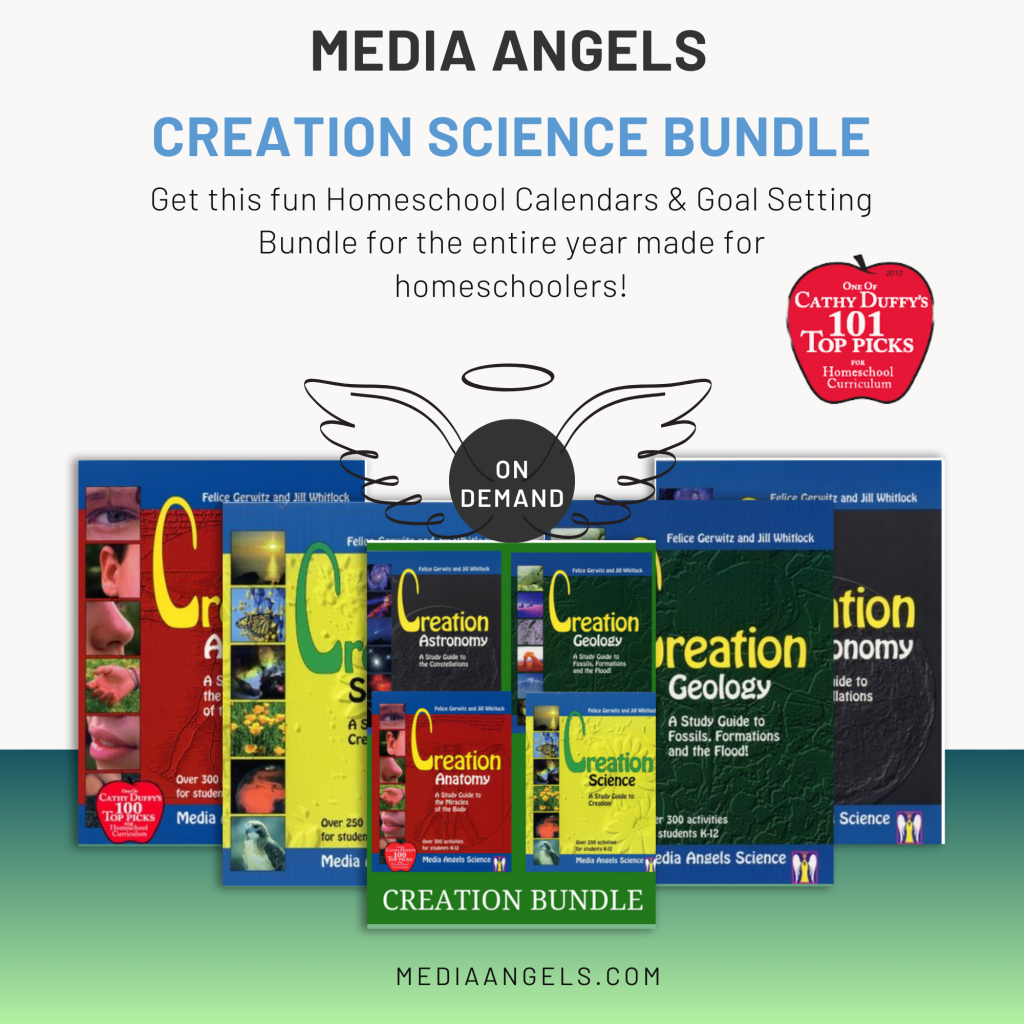
Visit Media Angels to find out more about curriculum and summer reading books for your children.

Year-end has such a final ring to it, and often I’d cringe thinking about all the work I had to do, paperwork that is to finish off our school year. It turned into a nightmare until I finally clued in that it was something I needed to do all year long and it made my end of the year a breeze. So much of this depends on your state laws, and how they require homeschoolers to report student progress. Some states are less strict than others. It also depends on whether or not you are using an online curriculum that reports grades and progress for you or if you are putting together a portfolio (with or without your child’s help) in order to see growth and progress throughout the year.

Homeschool Year-End Shortcuts ~ The Questions

Here are some questions to ask before you dig in:

  1. What are my state homeschool requirements and how will I fulfill this with an end-of-the-year report or summary.
  2. Are my children required to take standardized tests? Can the ACT or SAT fulfill this requirement (middle school and up)?
  3. What type of progress report or portfolio (samples of the child’s work in each subject area) will I compile?
  4. What is missing?
  5. Do I have my child’s reading list for the year? This includes textbooks, workbooks, and other curriculum guides as well as books that were assigned or were read to the children as a family.

How do you keep track of your progress? One of the best ways is to create a portfolio of your child’s accomplishments, even if they are enrolled in an online school or class. It is wonderful to create new ones each year or to keep adding to a master portfolio year after year. Doing it during the school year is a plus because it cuts out the mess of trying to create this at the end of the year. One way that makes this painless is with a memory keepsake the children can help put together.

Catch this replay – Yearly Evaluations

Yearly Evaluations

Best Homeschool Year-End Lists

My best homeschool year-end shortcut is not to have to scramble because you’ve been putting together bits and pieces throughout the year. Here are some things you can add to your portfolio or the children can add to a memory keepsake:

  1. School days or hours *calendar suffices
  2. Awards
  3. Reading lists
  4. Special projects such as science fairs or history fair
  5. Art projects or samples (pictures) of artwork.
  6. Chapter tests or summaries
  7. Reports
    1. Book reports
    2. Subject related reports
  8. Samples of quizzes
  9. Clubs or sports
  10. Hobbies or accomplishments

Homeschool Memory Keepsakes

With a memory keepsake, the children will take pride in adding their special ribbons or pictures of sports trophies. Perhaps they’ve learned a difficult music piece for the piano, or sing in the choir at church. All of these things are “school-related” and can be added to a memory book with pictures or even just a list. If you keep track of progress throughout the year it is so much easier and it is fun to see how much has been accomplished.

Short-Cuts:

  1. Gather completed work samples weekly or at least monthly.
  2. Enlist the children’s help.
  3. Use the best samples from different subjects. Minimum of twelve per subject.
  4. Use samples from the beginning, middle, and end of the year.
  5. Make a plan to document special events.
  6. Create Calendars that you can use to jot down memorable events.
  7. Tests? Grades? Optional in most states, add this to the end-of-year lists
  8. Keep track of schooling days each week/or month
  9. Use pictures whenever possible.
  10. Stop and evaluate.

Sometimes it is unavoidable and leaving things to the last minute can not be helped. If this is the case, don’t panic. Use copies of your child’s best work and put together a reasonable timeline of accomplishments. This can include extracurricular activities. For many years I assigned the children reports based on our field trips. This was one way to make the fun field trip tie into schoolwork and they were able to practice their writing and spelling skills with this project.

I love the idea of keeping a yearly memory book or portfolio because it shows you that yes, you have accomplished so much during the school year. And, if you have not? No worries there is always next year. I believe if your children are working to their ability even if it does not fit into the academic plan that is okay. I had some struggling learners and some children that were gifted, and struggling learners who were gifted. This is one of the bonuses of homeschooling it helps to allow your children to succeed in a safe and loving environment. Encourage your children daily, and believe me I know it is hard at times. After five children completed their homeschool journey successfully I’m happy to report they are now all well adjusted and thriving adults! All those times I worried about spelling or reading lags were wasted time. Enjoy your children and your homeschool journey and hug your kids daily, telling them how much you love them.

Special Replay: The Best Homeschool Year Ever

Let's Talk About making this The Best Homeschool Year Ever!Let’s Talk About making this The Best Homeschool Year Ever!

Lunch with Meredith Curtis and Felice Gerwitz

Don’t forget to click the subscribe button and follow on iTunes or download your copy today! 

Thanks to our sponsors for allowing us to bring you this show as well as others on this network to you, absolutely free!

Visit our sponsors:

K12 Logo

K12.com – Visit the free online school here

Our sponsors make these shows free to our subscribers.

Visit Media Angels HERE andPowerline Productions HERE

sponsors vintage - Media Angels and Powerline-1

Meredith’s List

  1. Commit year to prayer
  2. Kick off with enthusiasm “We’re going to learn about ….”
  3. Organize all your books, supplies, etc so they are easy to access
  4. Schedule — General and for each student

Felice’s List

  1. Begin with prayer – what does the Lord want you to focus on this year.
  2. Look at each child’s strength’s and weaknesses – let’s work on building up the weakness
  3. Goal vs. Plan – how to make it all work together in the time you have.
  4. Plan ahead. Make sure you have a backup plan.

Photo Credit: DepositPhoto.com Copyright Angels_a

Maintaining Momentum Through the Homeschool Year

Maintaining Momentum through the Homeschool Year - with Homeschool Highschool PodcastThere really is a rhythm to the homeschool year, and whether you school according to a traditional academic year (Sept. – May) or follow your own schedule, the rhythms are helpful to recognize. Every homeschool family hits moments of “stuck,” and it’s encouraging to recognize the natural rhythms that can help you get unstuck without anyone getting too frustrated with anyone else. Here are the months of the traditional academic year with notes on the rhythm that tends to match them as a starting point:

August : Gear up! Everyone feels excited. This year is going to be the best ever!

September: We are establishing the year. We are creating good habits and schedules that will be good for all of us.

October: We are in the swing of things. This feels good. We are getting stuff done.

November: Umm…that part’s not working like we thought it would. Can we change it? Is it okay to make adjustments?

December: Isn’t it Christmas yet? Can’t we play???

January: Come on, y’all. We need to wrap our heads around how to make this school year a success. We got this.

February: Okay, new strategies are working pretty well, but I keep finding myself thinking about how much fun it will be NEXT year when we __________ (fill in the blank).

March: Are we really this close the year-end? Oh, my! But we haven’t done a thing yet about ___________ (fill in the blank)!

April: Get ‘er done. Get ‘er done. Get ‘er done.

May: Hurry up! Finish up! We are SO close!

June: Woot!

July: So, next year calls for…

Maintaining momentum through the homeschool year means first recognizing that inspiration and positivity ebb and flow. It’s just the way humans respond to tasks that take a long time to accomplish. It’s okay that you and your kids don’t wake up every day ready to conquer the educational world!

Mom sets the tone in most homeschools. Yes, that can be a heavy mantle to wear, but it’s true for most families. When we are discouraged, our kids pick up on it. When we PRETEND to be positive when we are not in reality, our kids pick up on it. Having honest conversations is good for everyone in the house.

Setting long-term goals and then turning them into short-term goals by scheduling backwards from the deadline (here’s a free download that can help with Scheduling Backwards) will often get the ball rolling. Parents and students working together to set goals and evaluate progress is healthy for all!

Making time for fun, meaningful conversation outside of the normal homeschool setting can help students and parents remember the long-term goals, agree on the short-term goals that will get them there, and celebrate all that has been accomplished thus far. Try taking a drive in the car and talking there, or going out for a quick bite and talking in a restaurant. Your students want to succeed and so do you; see if you can join forces to tackles the distractions and frustrations that are common to all and come out the other side victorious. You really CAN find yourselves maintaining momentum through the homeschool year!


If you enjoyed this blog, please check out The Homeschool High School podcast on the Ultimate Homeschool Radio Network!

Sabrina and Vicki are your Big Sisters as they share the experience they’ve gained in over 20 years of homeschooling. They are the talky-2 of the 6 Sisters at 7SistersHomeschool.com. They are often joined by their other sisters, Kym and Marilyn OR other 7th Sisters! When YOU join us at The Homeschool Highschool Podcast, YOU will be our 7th Sister, too! Hooray!!

Come be our 7th Sister each week for The Homeschool Highschool Podcast, Tuesday mornings at 9:00 am EST!


Maintaining Momentum through the Homeschool Year - with Homeschool Highschool Podcast

Best of Homeschool Sanity: How to Have Your Sanest Homeschool Year

Hoping for a saner homeschool year? I have six suggestions for you. While simple, they’re very powerful for creating the peace and joy you long for.


Want to read this article as a blog post? READ HERE or SUBSCRIBE ON ITUNES or ON STITCHER

How to Make This Year Your Sanest Homeschool Year Podcast

Links

Subscribe

Anki

the mistake of giving up on our routines this time of year

The 5 Am Miracle by Jeff Sanders

Pam Barnhill’s Morning Basket Guide

Konos How to Have a New Kid by Friday by Kevin Leman

Supernanny

Nanny 911

an episode I did with Reb Bradley

an episode of this podcast on teaching children to do chores well

Plan to Eat

Tastefully Simple

The Once and For All Meal Plan.

two free planners

Trello

Techie Homeschool Mom

The Organized Homeschool Life

Which of these sanity steps will you take first? Let’s talk about it at Homeschool Sanity on Facebook.

Planning Your Homeschool Year

planning homeschool yearPlanning Your Homeschool Year

Podcast #34

In this episode,  Florida Parent Educators Association’s (FPEA) Chairwoman, Suzanne Nunn talks to Hannah Kartagener about planning the homeschool year. Listen in for tips and advice on how to play your year from veteran homeschool moms.

Planning some times involves planners! Something we love at FPEA. This year, FPEA introduced a new homeschool life planner – the Live Free Planner.  It sold out quickly!  Be sure to pick one up at the FPEA Store in the Convention hall  in May!

Please join us as we travel along this journey on our podcast adventure. Let’s get connected! Learn more about the Florida Parent Educator’s Association and homeschooling in the beautiful state of Florida.

Please visit www.fpea.com to learn more about who we are!