Search Results for: nature journal

Using Tech to Enjoy Nature

Using Tech to Enjoy Nature

132: Using Tech to Enjoy Nature

This episode shares resources on using tech to enjoy nature. Technology doesn’t need to take us away from nature but can be used to enhance our enjoyment of nature.

Be sure to listen to these previous podcast episodes;

  • Geocaching is basically an outdoor treasure hunt for all ages
  • Google lens is a great way to identify things you encounter in nature

Apps mentioned in this episode

  • Alltrails
  • Smart Bird ID
  • Merlin Bird ID from Cornell
  • Audubon Bird Guide
  • Skymap
  • iNaturalist
  • iNaturalist Seek

Website mentioned in this episode

Project Noah gets everyone involved in identifying things they see in nature and you become a contributor to science!

Class that combines art and nature

Show sponsor FundaFunda Academy offers a unique online Nature Journaling class for 7th – 12th graders.

————————————————————————————————

Join our Facebook Group especially for the listeners of this podcast! You can ask questions and get advice as you try integrating technology in your homeschool.

If you enjoyed this episode, please subscribe to the show and give a rating and maybe even a review! Subscribing will help you make sure you never miss an episode.

Using Tech to Enjoy Nature

Journaling

journaling | Journaling is a vital part of any homeschool curriculum. It is easy to implement but often it is not easy to keep consistent. Using this tried and true method, Felice will share journaling tips that worked well for her children. #journalingandhomeschooling #homeschool #podcast #homeschoolpodcastJournaling and Homeschooling

Journaling is a vital part of any homeschool curriculum. It is easy to implement but often it is not easy to keep consistent. Using this tried and true method, Felice will share journaling tips that worked well for her children.

Thanks to our sponsor – Media Angels Publishing

media angels membership

Please share this podcast with a friend, subscribe to this podcast and leave a star rating on your favorite podcast app!

There are different levels of journaling and it really depends on how old your child is, and the best time to begin. So many times when we try to “teach” our children a valuable lesson the best way to do this is to model the behavior. You want your child to journal, begin journaling. You want your child to use their manner? Give them an example. You want your child to read the Bible, show them with you reading the Bible first!

Journaling is a way for a homeschool family to keep a record of not only events that take place but heart issues. First let’s look at why people journal:

  1. To practice writing
  2. To keep track of their feelings
  3. To keep track of events that happen that they fear they will forget
  4. As an assignment for school

Older children:

The first and fourth reason are probably the main reasons that homeschoolers journal, yet you will find that journaling will be a welcome addition to your homeschool with very little pressure on your part. You can easily add journaling into your daily routine. The ideal time to begin is probably in the third grade when your child is comfortable with writing and can get their thoughts down in simple sentences.

Older children can journal by writing. Short sentences are a good place to begin. Slowly encourage them to work up to paragraphs or entire pages. Try not to focus on editing, but I’m a believer in good writing vs. ignoring all grammatical issues, however that doesn’t mean I will take a red pen to my children’s work.

My favorite part about journaling is that it teaches the children to work on the thought processes in an environment that doesn’t have pressure or grading involved.

Begin having your children write for a few minutes each day. At the end normally works well (for reflective pieces) and regardless of what you choose to focus on, journaling should be creative, fun and personal to your child.

Use the pages included in each of the monthly planners on the Ultimate Homeschool Radio Network to get started. (Subscribe to the ezine on this website here to get your planner).

What a journal is:

  1. A way to record your child’s daily events.
  2. A way to get information on paper that is not graded.
  3. Private
  4. A safe place to write feelings without comment

What a journal is not:

  1. Everyone’s business
  2. A place to correct spelling, grammar, punctuation
  3. Only words – journaling can be illustrated with pictures
  4. Something on the to-do list

Younger children:

Younger children who are not yet writing can be encouraged to draw pictures to “journal” their ideas. If they write about their day or activities they can use pictures or photos to illustrate their journal.

Reluctant Child:

Sometimes children need a little encouragement to journal. Here are some ways to encourage the reluctant child that journaling is a great idea!

Nature Journal:

I love the idea of nature journals. They are a way for the children to focus on observing when they take nature walks or sit outside in the backyard. What do the clouds look like? Did they see an “creature” that they want to draw, or write about? Nature journals are more about what they see than what they are thinking. If you have a child who is reluctant to put down their thoughts this may be a way to encourage the child. Nature journals can easily be created by stapling a few sheets of paper together.

Journaling Prompts:

This is a good way to encourage a child who says they don’t know what to journal about:

  1. When I am finished with school I am going to…
  2. The funniest thing I ever say was…
  3. My favorite book is _____ because _____
  4. My favorite movie is _____ because _______
  5. The one toy I don’t ever want to break is ______
  6. The one thing lost that I’m sad about is _______
  7. My favorite place is …
  8. I do (or don’t) like to be alone because…
  9. In my free time, I want to…
  10. If I could visit any place I’d want to go to…

Bullet Journals

I’ve seen various explanations of bullet journals and it is basically a series of dots (bullet points) and a thought, sentence or idea after each bullet. While I think journaling is valuable and that is training children to put their ideas and feelings into sentences, paragraphs and more, children can use this method and then create sentences.

  • going to the park
  • had fun time
  • wish we could have stayed longer
  • saw a big snake
  • tried to catch the snake
  • I think it was a black snake
  • got in trouble for trying to catch it
  • need to look up the kind of snake it was, need to get a book at the library on snakes

These are some examples of journaling –but I’ve only scratched the surface. If you have a great journaling tip please share it with me.

Morning Time by Nature

Does a Morning Time routine jumpstart your roadschool day? First of all, if you are unfamiliar with Morning Time, hit the Roadschool Moms replay featuring Pam Barnhill for details. Especially relevant in Episode #130, these two fulltime Rving moms share the benefits of carving out this family time in a homeschool day.

In addition, this episode features an interview with Holly Giles about using nature as a guide for this intentional family pace. She is the creator of The Giles Frontier, a favorite from Roadschool Moms Approved resources from previous episodes.

A review of the Blaze New Trails curriculum reveals its organic feel. Rather, it is a protocol to simplify your children’s day through nature’s classroom. The K-8 family guide seamlessly weaves together a nature study course including science, literature, and history. It is the perfect companion for homeschool moms new to the idea of Morning Time.

Further, other purposeful products from Giles’ smorgasboard of natural learning guides include Prairie Life, a 12-week unit study about pioneering life. And, Holly presents two math learning adventures at the beach or park.

Most noteworthy, Holly advises six specific ways to use Mother Nature as the focus for Morning Time plus these other ideas:

  • Copywork & Memorization
  • Observation
  • Read Aloud
  • Family Journal
  • Vacation Ideas
  • Family Vision

Looking for a roadmap for your next learning adventure? Scroll through the RSM library on iTunes to find more than 120 podcast replays.

Homeschool enrollment is on the rise. More and more families are moving into a home on wheels. As a result, the Roadschool Moms record this broadcast to present resources that meet the challenges of today’s roadschooler. Kimberly Travaglino, co-founder of Fulltime Families, and Mary Beth Goff, the creator of Road Trip Teacher, team up every week to offer listeners a fresh take on homeschooling while traveling full time across America’s backyard.

The Official Sponsor for Season 10 of Roadschool Moms

How To Hit The Road & Journal

road school mom Kimberly TravaglinoMeet Kimberly Travaglino!

Kimberly Travaglino is an author, co-founder of Fulltime Families RV membership club, and fellow podcaster at Roadschool Moms.  Her family has been traveling the country via RV since 2010.  They have been to 39 states to date and have no end to their journey in sight.

Show Notes:

1.  What made you want to uproot your family, sell all your stuff and hit the road?

2. What were the reactions of your family and friends back home?

3.  What would you say are the greatest benefits of full time family travel?

4.  What are the greatest challenges you face?

5.  What advice would you have for other families who are interested in pursuing a full time travel lifestyle?

6.  What tools would you recommend for families preparing for this type of adventure?

You can find more information about Fulltime Familes here!  and the BLOG is here

Fulltime Families is hosting three winter events in 2015 – Make plans to join them! Click here for more details.http://fulltimefamilies.com/slideshow/its-rally-time/

Kimberly Travaglino is the author of “How to Hit the Road”, a comprehensive step by step guide for making your family’s full time RV dreams a reality. She is the co-founder of Fulltime Families, a company that supports risk takers, pioneers, and enlightened families blazing their own path across the country.

How to Hit the Road and Our Journey Journal Bundle (ecopy and hard copy).  How to Hit the Road is a guide for transistioning your life from a traditional sticks and bricks lifestyle, to a location independent / full time travel lifestyle. The Journey Journal can stand alone or serve as a companion workbook to How to Hit the Road. Families who record their launch efforts in books like Our Journey Journal are 8 times more likely to make their dreams a reality, vs. those who don’t ever take the leap.

Stress-Free Summer Learning: Keep Kids Sharp Without the Fight

🌿 This episode is proudly sponsored by Eden’s Table — a Christ-centered herbalism curriculum for K-5 homeschool families. One plant a week, woven through Bible, science, history, art, and Latin.

Try a free week →

In today’s episode, “Stress Free Summer Learning,” I’ll share easy, flexible tips to keep your kids learning without the stress. From unit studies to outdoor adventures, get ready for a fun, low-key summer of growth!

Stress-Free Summer Learning: Homeschool Tips for Fun and Growth ~ Episode 562

Summer is a time for relaxation and family memories, but it’s also a perfect opportunity to keep your children’s learning on track. In this episode, I’ll share streamlined homeschool schedules that maintain educational momentum without overwhelming you or your kids. If you’ve listened to this podcast before, welcome back, and you know I only share practical tips that don’t break the bank! If you are new, welcome friend (or soon-to-be friend), and I hope you enjoy some ideas for short lesson plans, including unit studies, outdoor learning, and simple yet impactful activities.

Whether you’re a year-round homeschooler or just sprinkling in some summer learning when the kids are acting bored, this podcast is for you.

Thanks to our sponsor! CTCMath.com

Why Stress-Free Summer Learning Matters

Summer can be a balancing act with vacations and family events. However, research shows that students can lose 20-25% of their reading and math gains over the summer, known as the “summer slide.” A flexible, streamlined schedule keeps kids’ brains engaged without turning summer into a grind.

The key? Flexibility. Short, meaningful activities that fit your family’s rhythm make learning feel like a refreshing summer breeze. Here’s how to make it happen.

Check out this related podcast for more summer inspiration.

Tip 1: Embrace Unit Studies for Focused, Fun Learning

What Are Unit Studies?

Unit studies are a fantastic way to streamline summer learning by diving deep into one topic, for example, oceans, dinosaurs, or space, while covering multiple subjects. For example, an ocean unit study might include:

  • Science: Exploring marine life, weather, water cycles, buoyancy, or even scuba diving.
  • History: Learning about the history of scuba diving
  • Literature: Reading non-fiction books on the subject.
  • Art: Drawing marine life or creating a coral reef diorama.

It can even be hands-on and practical. Playing in a pool or tub with items that sink or float, talking about air bubbles and compression, and asking if anyone is SCUBA certified for a hands-on lesson, or visiting a dive shop.

Why Unit Studies Work for Summer

Unit studies are flexible, interest-driven, and low-prep, making them ideal for summer. They’re perfect for multi-age homeschooling, allowing everyone to learn at their level, and they align well with Christian principles for faith-based learning.

Tailoring for Middle and High Schoolers

How to Get Started

  1. Pick a Topic: Ask your kids what excites them. A library trip or family poll can spark ideas.
  2. Gather Resources: Use free printables, library books, or podcasts from the Ultimate Homeschool Podcast Network.
  3. Plan Lightly: Aim for a few short activities each week.
  4. Incorporate Hands-On Fun: Visit an aquarium or build a model submarine from recyclables.

Unit studies make learning feel like an adventure, keeping both you and your kids stress-free!

Tip 2: Take Learning Outdoors

The Power of Outdoor Learning

Outdoor activities boost creativity, reduce stress, and improve focus, according to studies. Nature is a free, open classroom ready for exploration.

Outdoor Learning Ideas

  • Nature Journaling: Sketch plants or bugs and add a Bible verse like Psalm 19:1 (“The heavens declare the glory of God”). Younger kids can record observations on a phone.
  • Math in Motion: Draw number lines with sidewalk chalk or measure angles in a scavenger hunt.
  • Science Experiments: Build a solar oven or test objects in a kiddie pool.
  • History on the Go: Visit a local historical site or discuss community history during a neighborhood walk.

Tailoring for Middle and High Schoolers

Tips for Success

  • Keep It Simple: A blanket and books under a tree work wonders.
  • Be Flexible: Schedule activities for cooler parts of the day.
  • Involve Everyone: Include siblings or neighbors for group fun.

Explore our Kids’ Planner for more outdoor activity ideas.

Tip 3: Use Short, Focused Activities to Maintain Momentum

Bite-Sized Learning

Short activities fit busy summer days and keep kids engaged without feeling overwhelmed. They also leave room for spiritual growth.

Examples of Quick Activities

  • Morning Read-Alouds or Devotionals: Read from the Bible, or your favorite devotional. Or you can read one of the library books on the topic you are studying.
  • Flashcard Fun: Use multiplication flashcards or SAT vocabulary during breakfast.
  • Podcast Challenges: Try our 7-Day Just for Kids Podcast Challenge for character-building activities.
  • Daily Writing Prompts: Spark creativity with prompts like “What’s in a treasure chest?”

How to Make It Work

  • Set a Loose Routine: Plan one activity daily or a few weekly.
  • Use Timers: Keep sessions short and focused.
  • Celebrate Small Wins: Praise efforts with high-fives or stickers (Galatians 6:9).

These quick bursts keep skills sharp while preserving summer’s joy.

Tip 4: Leverage Free Resources to Keep It Low-Cost

Where to Find Free Summer Learning Tools

Homeschooling doesn’t have to be expensive. Try these free resources:

Tailoring for Middle and High Schoolers

Pro Tip: Plan Ahead (But Not Too Much!)

Spend a few minutes bookmarking resources at the start of summer. Our Homeschool Success Planner helps organize your ideas.

Keep It Simple, Keep It Fun

Streamlined summer learning is about keeping things lightweight and enjoyable. Embrace unit studies, outdoor adventures, short activities, and free resources to maintain momentum without stress. You’ve got this!

Share your favorite summer learning tips in the Vintage Homeschool Moms Facebook group or at ultimateradioshow.com/blog. If you enjoyed this episode, please leave a review on your podcast app to help other homeschool families find us.

Thanks to our sponsor for supporting this episode. Until next time, keep homeschooling with joy and confidence. This is Felice Gerwitz, take care, God bless, and I’ll talk to you soon!

Resources Mentioned

🎓 Resources from Media Angels: Go deeper with the complete Creation Science for Homeschoolers guide — or explore the Creation Geology Study Guide.

Turning Summer Walks Into Learning Experiences

Turning Summer Walks Into Learning Experiences

371: Turning Summer Walks Into Learning Experiences

In this episode, Meryl shares how educational summer walks can become meaningful learning experiences for homeschoolers using simple apps and technology tools.

1. Identify Birds with Merlin Bird ID

Meryl discusses using Merlin Bird ID from the Cornell Lab of Ornithology to identify birds while walking. The app can identify birds both by appearance and by sound.

Topics discussed:

  • Identifying birds from photos
  • Recording and identifying bird calls in real time
  • How AI improves bird sound recognition
  • Contributing recordings to help improve identification accuracy

2. Identify Nature and Participate in Citizen Science

Quick Identification

  • Google Lens for identifying plants, insects, bushes, and objects directly from a phone camera

Citizen Science for Younger Children

  • Seek by iNaturalist
  • Kid-friendly quests and badges
  • Easy identification of plants, fungi, insects, and animals

Citizen Science for Older Students

  • iNaturalist
  • Community-focused biodiversity tracking
  • Recording observations in different environments
  • Learning ecology, habitats, and biomes through real-world exploration

3. Stargazing with Stellarium Mobile

Stellarium Mobile is a tool for identifying objects in the night sky during evening walks.

Features include:

  • Identifying stars and planets
  • Viewing constellations
  • Tracking satellites and the International Space Station
  • Point-and-identify functionality using your phone

4. Create a Digital Nature Journal

Collect observations, photos, and notes from walks into a digital journal or family project.

Tools mentioned:

Ideas for journals:

  • Upload photos
  • Record locations
  • Note how items were identified
  • Write reflections and observations

5. Add Fun and Find Trails

Add a layer of fun by turning walks into Scavenger Hunts.  ShowsponsorFundaFunda Academy offers a free printable nature scavenger hunt bingo activity for younger children.

AllTrails helps families:

  • Find nearby hiking trails
  • Check difficulty levels
  • Read reviews from other hikers
  • Plan routes appropriate for the whole family

If you use any of these ideas, come join the conversation in the Homeschooling with Technology Community on Facebook and let us know which ones your family enjoyed most!

Subscribe to the podcast so you don’t miss any episodes!

Educational Summer Walks


Creation Camp at Home: The Summer Camp Experience You Can Bring to Your Kitchen Table

📚 Part of our guide: Homeschool Science

Looking for summer camp at home ideas? Discover Creation Camp at Home from Media Angels—a fun, faith-based summer learning experience for homeschool families.Summer camp memories are magical… but not every family wants the cost, travel, or packed schedules that come with traditional camps.
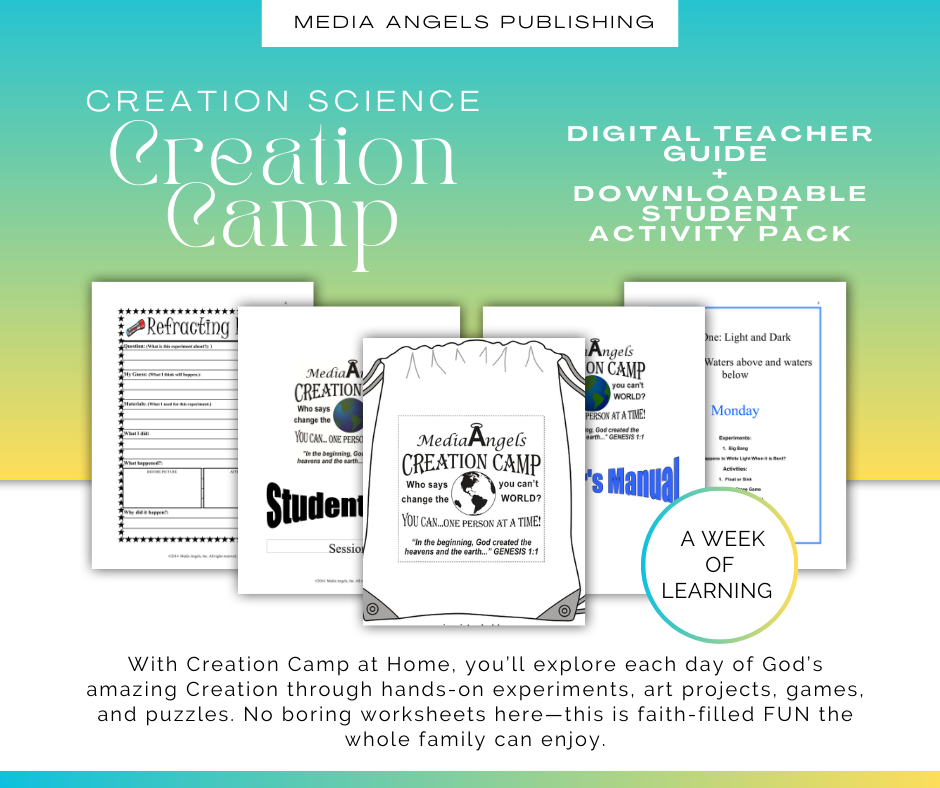
That’s why more homeschool families are searching for summer camp at home ideas on Pinterest right now.

If you’re looking for a way to keep your kids learning, exploring, creating, and having fun this summer—without losing the flexibility of home—Creation Camp at Home might be exactly what you need.

Looking for a podcast to go with your camp? Check out the Creation Science Podcast.

This article sponsored by CTCMath.com

What Is Creation Camp at Home?

Creation Camp at Home is a faith-based summer learning experience designed for homeschool families who want meaningful, hands-on fun without complicated prep.

Instead of screens all day or expensive camps across town, your children can:

  • Explore God’s creation 🌎
  • Complete hands-on activities
  • Enjoy themed learning adventures
  • Create projects together
  • Build memories as a family
  • Stay academically engaged during summer break

It’s flexible enough to use:

  • During summer break
  • As a homeschool unit study
  • For co-ops
  • For church groups
  • On rainy days
  • During “I’m bored” moments 😅

Why “Summer Camp at Home” Is Trending

Parents are searching for:

  • Affordable summer activities
  • Screen-free ideas
  • Flexible learning
  • Faith-based summer resources
  • Easy camp ideas for multiple ages
  • Educational summer fun

Homeschool families especially love the idea of creating memorable experiences at home while still protecting family rhythms and budgets.

And honestly? Kids don’t always remember expensive camps.

They remember:

  • Catching butterflies
  • Making messy projects
  • Reading together
  • Exploring outdoors
  • Laughing in the kitchen
  • Learning alongside Mom

That’s the kind of atmosphere Creation Camp at Home helps create. 💛

Benefits of an At-Home Summer Camp

1. Flexible Scheduling

You choose the pace.

Do one activity a day, a full themed week, or spread it across the summer.

2. Budget-Friendly

Traditional camps can cost hundreds of dollars per child.

At-home camp experiences let families create meaningful memories without the financial pressure.

3. Family Connection

Some of the best summer moments happen in simple everyday spaces.

Kitchen tables.
Backyards.
Living rooms.
Nature walks.

4. Keeps Kids Learning Without Burnout

Summer learning loss is real—but worksheets all summer aren’t the answer.

Hands-on exploration keeps curiosity alive naturally.

Ideas to Pair with Your Creation Camp at Home

Want to make it extra fun? Try adding:

  • Backyard nature scavenger hunts
  • Butterfly observation journals 🦋
  • Stargazing nights ✨
  • Water play science experiments
  • Campfire read-alouds
  • Picnic lunches
  • DIY camp badges
  • Nature sketchbooks

Pinterest users are especially loving:

  • Butterfly life cycle activities
  • Space-themed learning
  • Nature journals
  • STEM summer fun
  • Camp-themed printables

A Summer Your Kids Will Actually Remember

You don’t have to recreate a giant commercial summer camp to give your kids a meaningful summer.

Sometimes the best learning happens right at home.

summer camp at home, homeschool summer camp, summer activities for kids, faith based summer camp, homeschool summer ideas, creation camp, summer learning activities, homeschool mom ideas, butterfly life cycle activities, nature study homeschool, summer unit study, screen free summer ideas, christian homeschool resources, Media Angels, summer camp ideas, backyard summer camp, educational summer activitiesIf you’re ready for a simple, faith-based way to bring creativity, exploration, and wonder into your summer, check out:
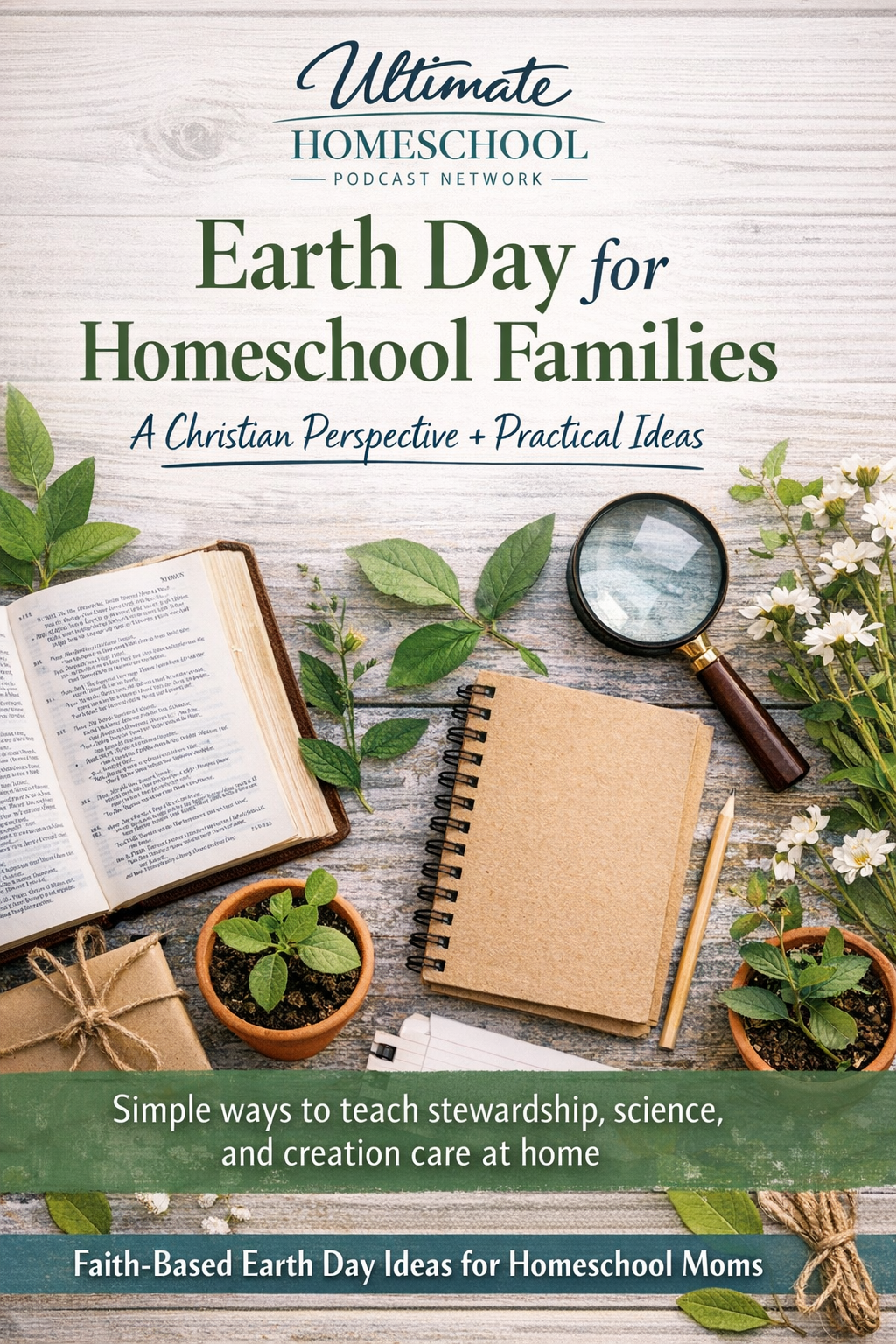
👉 Creation Camp at Home by Media Angels

Because summer learning can still feel like summer. ☀️

Earth Day for Homeschool Families: A Christian Perspective on Caring for Creation

📚 Part of our guide: Homeschool Science

Looking for a practical and faith-based way to celebrate Earth Day in your homeschool? This Christian homeschool resource shares simple Earth Day activities, Bible connections, stewardship ideas, and science-based learning for homeschool families. Great for homeschool moms teaching nature study, creation care, and environmental science from a biblical worldview.How can homeschool families celebrate Earth Day in a way that is practical, meaningful, and rooted in faith?

That’s a question many Christian homeschool moms ask every April.

If you’ve ever wondered whether Earth Day “fits” into a Christian homeschool, the short answer is: it can—when it’s viewed through the lens of stewardship, gratitude, and responsibility.

For homeschool families, Earth Day doesn’t have to be political, complicated, or overwhelming. It can be a simple opportunity to help your children notice the beauty of God’s creation, understand how the natural world works, and practice wise care for the world He made.

Whether you’re homeschooling elementary students, middle schoolers, or high schoolers, Earth Day can become a valuable learning moment that blends science, Scripture, observation, and practical life skills.

What Is Earth Day, and Should Christian Homeschoolers Celebrate It?

Earth Day is observed on April 22 each year and is meant to encourage awareness of the environment and the importance of caring for the natural world.

For Christian families, Earth Day can be reframed in a deeply biblical way:

  • God created the earth
  • Creation reflects His glory
  • Humans are called to steward it wisely

This means Earth Day can become less about “worshiping nature” and more about honoring the Creator by responsibly caring for what He made.

A Biblical Foundation for Earth Day

Here are a few verses that help frame this conversation:

  • Genesis 1:31 — “God saw all that he had made, and it was very good.”
  • Psalm 24:1 — “The earth is the Lord’s, and everything in it.”
  • Genesis 2:15 — “The Lord God took the man and put him in the Garden of Eden to work it and take care of it.”

That’s a beautiful homeschool conversation starter right there:
What does it look like to “work and take care of” the world God gave us?

If Earth Day sparks deeper curiosity in your homeschool, don’t stop with just one day of learning. The Creation Science Podcast on the Ultimate Homeschool Podcast Network is a wonderful resource for families who want to explore science through a biblical worldview and help kids see the evidence of God’s design in the world around them. It’s a great way to continue conversations about creation, stewardship, and the natural world beyond a single lesson or activity. You can also find even more homeschool-friendly science resources, curriculum, and encouragement at Media Angels, where families can access practical tools to support meaningful, faith-based learning at home.

Why Earth Day Works So Well in a Homeschool

One of the best parts of homeschooling is that learning doesn’t have to stay inside a textbook.

Earth Day naturally lends itself to the kinds of learning homeschool moms often want more of:

  • Hands-on learning
  • Nature study
  • Real-life application
  • Family discussion
  • Cross-subject integration

In one simple Earth Day unit, you can cover:

  • Science (ecosystems, habitats, conservation, weather, pollution)
  • Bible (creation, stewardship, gratitude, responsibility)
  • Writing (journaling, copywork, narration, persuasive writing)
  • Art (nature sketching, recycled art projects)
  • Life skills (gardening, composting, reducing waste)

That’s the homeschool sweet spot right there 🙌

10 Practical Earth Day Activities for Homeschool Families

If you want Earth Day to feel meaningful but not like “one more thing,” here are some simple ways to celebrate at home.

1. Take a Creation Walk

Head outside and ask your kids to notice:

  • Birds
  • Trees
  • Insects
  • Clouds
  • Wildflowers
  • Water sources
  • Animal tracks

Bring a notebook or nature journal and write down observations.

Homeschool tip: Ask younger kids, “What did God make that you noticed today?”
Ask older kids, “What systems in nature seem interconnected?”

2. Read Scripture Outside

Take your Bible time outdoors and read passages about creation.

Good Earth Day Scripture passages include:

  • Genesis 1
  • Psalm 8
  • Psalm 19
  • Psalm 24
  • Psalm 104
  • Romans 1:20

Then ask:

  • What does this teach us about God?
  • What does it teach us about our role in creation?
  • How should Christians think differently about the environment?

That simple discussion alone can turn Earth Day into something much deeper than a craft or worksheet.

3. Start a Small Garden

You don’t need a homestead to do this.

Try:

  • Herbs in a window
  • Tomatoes in pots
  • Lettuce in a raised bed
  • Wildflowers for pollinators

Gardening teaches patience, responsibility, observation, and dependence on God’s design.

It also gives kids a front-row seat to concepts like:

  • plant life cycles
  • soil health
  • sunlight and water needs
  • ecosystems
  • food systems

4. Do a Backyard Ecosystem Study

Have your kids investigate one small area of your yard or neighborhood and ask:

  • What plants live here?
  • What insects are present?
  • What animals visit this space?
  • What would happen if one part disappeared?

This is a great way to introduce the idea of ecosystems in a way kids can actually see and understand.

5. Practice “Wise Stewardship” at Home

Earth Day is a great day to teach kids that caring for creation often looks very practical.

Try one simple challenge:

  • Reduce food waste for the day
  • Reuse materials before throwing them away
  • Turn off unused lights
  • Pick up litter in your neighborhood
  • Recycle correctly
  • Donate usable items instead of tossing them

This helps children see that stewardship isn’t abstract—it’s a daily habit.

6. Create a Nature Journal

Nature journaling is one of the easiest homeschool wins.

Kids can:

  • sketch leaves or flowers
  • label parts of a plant
  • write weather observations
  • record bird sightings
  • compare different trees
  • write gratitude lists about creation

For older students, this can become more scientific with:

  • classification
  • environmental observations
  • ecosystem notes
  • seasonal comparisons

7. Watch a Nature Documentary Together

A well-chosen documentary can spark some incredible conversations.

Afterward, ask:

  • What part of creation amazed you most?
  • What did you learn about ecosystems or habitats?
  • What does this reveal about God’s design?

This works especially well for middle and high school students who enjoy discussion-based learning.

8. Make Earth Day a Writing Assignment

Need a quick language arts tie-in? Easy.

Try one of these writing prompts:

  • Why should Christians care for creation?
  • What does stewardship mean in everyday life?
  • Describe your favorite part of God’s creation.
  • What can families do to reduce waste at home?
  • How does studying science strengthen faith?

That last one is especially good for older students.

9. Do a Family Service Project

Earth Day can also be a great day to serve others.

Ideas:

  • pick up trash at a local park
  • plant flowers at church
  • clean up a neighborhood area
  • help a grandparent with yard work
  • organize a mini “care for creation” challenge with friends

That shifts Earth Day from “awareness” to action.

10. Use Earth Day as a Launch Point for Deeper Science Learning

If your student is curious about the environment, ecosystems, conservation, or how the natural world works, Earth Day can be the perfect springboard into a deeper study.

That’s one reason families may love the Creation Science Series from Media Angels—it gives students the opportunity to move beyond surface-level facts and begin exploring the world with both scientific curiosity and thoughtful perspective.

For homeschool parents who want their teens to engage real-world science topics in a structured way, a course like Creation Geology can help students better understand:

  • ecosystems
  • environmental systems
  • natural resources
  • human impact
  • stewardship and responsibility

And honestly? That’s what many homeschool moms are looking for—real learning that connects to real life.

How to Talk to Your Kids About the Environment Without Fear

One of the biggest challenges for Christian parents is this:
How do we talk about environmental issues without creating anxiety or fear?

That’s an important question.

Kids don’t need a doom-and-gloom message.
They need a grounded, biblical one.

Here’s a healthy framework:

Teach Wonder First

Before you teach problems, teach beauty.

Let kids marvel at:

  • bird migration
  • pollination
  • weather patterns
  • forests
  • oceans
  • stars
  • the complexity of life

Wonder creates care.

Teach Responsibility, Not Panic

Your kids do not need to feel like the fate of the planet rests on their shoulders.

They can learn that:

  • actions matter
  • habits matter
  • stewardship matters
  • Christians should be thoughtful, not careless

Teach Hope

Christians approach the world with hope, not despair.

We teach our kids to care because:

  • God made this world
  • people matter
  • wise stewardship is good
  • truth matters
  • gratitude leads to action

That’s a much healthier framework than fear-based messaging.

Earth Day Questions for Homeschool Morning Time

If you want to turn Earth Day into a family discussion, here are some great prompts:

  • What does the Bible teach about creation?
  • What does stewardship look like in our home?
  • Why do you think God made such a diverse world?
  • What can we learn about God through nature?
  • How should Christians think about caring for the environment?
  • What’s one small thing our family can do this week to care for what God has given us?

These kinds of questions build both critical thinking and biblical worldview formation.

Earth Day Doesn’t Have to Be Complicated

If you’re a homeschool mom, you do not need a 14-page unit study, a themed snack board, and a printable pack with 82 pieces to make Earth Day meaningful 😅

Sometimes the best homeschool moments are the simplest ones:

  • a walk outside
  • a conversation on the porch
  • a seed planted in a cup
  • a Scripture reading under a tree
  • a discussion about stewardship around the dinner table

That counts.
That matters.
That’s real learning.

And in many ways, that’s what Christian homeschooling is all about.

 Earth Day as a Christian Homeschool Opportunity

Earth Day can be a simple but powerful reminder that creation points us back to the Creator.

As homeschool moms, we have the opportunity to help our kids:

  • notice God’s world
  • understand how it works
  • care for it wisely
  • think biblically about science and stewardship

So if you’re wondering whether Earth Day belongs in your homeschool this year, the answer is simple:

Yes—if it leads your family to wonder, wisdom, gratitude, and stewardship.

And that’s a pretty great lesson for any day of the year 🌿

Stress-Free Summer Learning: Keep Kids Sharp Without the Fight

In today’s episode, “Stress Free Summer Learning,” I’ll share easy, flexible tips to keep your kids learning without the stress. From unit studies to outdoor adventures, get ready for a fun, low-key summer of growth!

Stress-Free Summer Learning: Homeschool Tips for Fun and Growth ~ Episode 562

Summer is a time for relaxation and family memories, but it’s also a perfect opportunity to keep your children’s learning on track. In this episode, I’ll share streamlined homeschool schedules that maintain educational momentum without overwhelming you or your kids. If you’ve listened to this podcast before, welcome back, and you know I only share practical tips that don’t break the bank! If you are new, welcome friend (or soon-to-be friend), and I hope you enjoy some ideas for short lesson plans, including unit studies, outdoor learning, and simple yet impactful activities.

Whether you’re a year-round homeschooler or just sprinkling in some summer learning when the kids are acting bored, this podcast is for you.

Thanks to our sponsor! NIV Application Bible

Why Stress-Free Summer Learning Matters

Summer can be a balancing act with vacations and family events. However, research shows that students can lose 20-25% of their reading and math gains over the summer, known as the “summer slide.” A flexible, streamlined schedule keeps kids’ brains engaged without turning summer into a grind.

The key? Flexibility. Short, meaningful activities that fit your family’s rhythm make learning feel like a refreshing summer breeze. Here’s how to make it happen.

Check out this related podcast for more summer inspiration.

Tip 1: Embrace Unit Studies for Focused, Fun Learning

What Are Unit Studies?

Unit studies are a fantastic way to streamline summer learning by diving deep into one topic, for example, oceans, dinosaurs, or space, while covering multiple subjects. For example, an ocean unit study might include:

  • Science: Exploring marine life, weather, water cycles, buoyancy, or even scuba diving.
  • History: Learning about the history of scuba diving
  • Literature: Reading non-fiction books on the subject.
  • Art: Drawing marine life or creating a coral reef diorama.

It can even be hands-on and practical. Playing in a pool or tub with items that sink or float, talking about air bubbles and compression, and asking if anyone is SCUBA certified for a hands-on lesson, or visiting a dive shop.

Why Unit Studies Work for Summer

Unit studies are flexible, interest-driven, and low-prep, making them ideal for summer. They’re perfect for multi-age homeschooling, allowing everyone to learn at their level, and they align well with Christian principles for faith-based learning.

Tailoring for Middle and High Schoolers

How to Get Started

  1. Pick a Topic: Ask your kids what excites them. A library trip or family poll can spark ideas.
  2. Gather Resources: Use free printables, library books, or podcasts from the Ultimate Homeschool Podcast Network.
  3. Plan Lightly: Aim for a few short activities each week.
  4. Incorporate Hands-On Fun: Visit an aquarium or build a model submarine from recyclables.

Unit studies make learning feel like an adventure, keeping both you and your kids stress-free!

Tip 2: Take Learning Outdoors

The Power of Outdoor Learning

Outdoor activities boost creativity, reduce stress, and improve focus, according to studies. Nature is a free, open classroom ready for exploration.

Outdoor Learning Ideas

  • Nature Journaling: Sketch plants or bugs and add a Bible verse like Psalm 19:1 (“The heavens declare the glory of God”). Younger kids can record observations on a phone.
  • Math in Motion: Draw number lines with sidewalk chalk or measure angles in a scavenger hunt.
  • Science Experiments: Build a solar oven or test objects in a kiddie pool.
  • History on the Go: Visit a local historical site or discuss community history during a neighborhood walk.

Tailoring for Middle and High Schoolers

Tips for Success

  • Keep It Simple: A blanket and books under a tree work wonders.
  • Be Flexible: Schedule activities for cooler parts of the day.
  • Involve Everyone: Include siblings or neighbors for group fun.

Explore our Kids’ Planner for more outdoor activity ideas.

Tip 3: Use Short, Focused Activities to Maintain Momentum

Bite-Sized Learning

Short activities fit busy summer days and keep kids engaged without feeling overwhelmed. They also leave room for spiritual growth.

Examples of Quick Activities

  • Morning Read-Alouds or Devotionals: Read from the Bible, or your favorite devotional. Or you can read one of the library books on the topic you are studying.
  • Flashcard Fun: Use multiplication flashcards or SAT vocabulary during breakfast.
  • Podcast Challenges: Try our 7-Day Just for Kids Podcast Challenge for character-building activities.
  • Daily Writing Prompts: Spark creativity with prompts like “What’s in a treasure chest?”

How to Make It Work

  • Set a Loose Routine: Plan one activity daily or a few weekly.
  • Use Timers: Keep sessions short and focused.
  • Celebrate Small Wins: Praise efforts with high-fives or stickers (Galatians 6:9).

These quick bursts keep skills sharp while preserving summer’s joy.

Tip 4: Leverage Free Resources to Keep It Low-Cost

Where to Find Free Summer Learning Tools

Homeschooling doesn’t have to be expensive. Try these free resources:

Tailoring for Middle and High Schoolers

Pro Tip: Plan Ahead (But Not Too Much!)

Spend a few minutes bookmarking resources at the start of summer. Our Homeschool Success Planner helps organize your ideas.

Keep It Simple, Keep It Fun

Streamlined summer learning is about keeping things lightweight and enjoyable. Embrace unit studies, outdoor adventures, short activities, and free resources to maintain momentum without stress. You’ve got this!

Share your favorite summer learning tips in the Vintage Homeschool Moms Facebook group or at ultimateradioshow.com/blog. If you enjoyed this episode, please leave a review on your podcast app to help other homeschool families find us.

Thanks to our sponsor for supporting this episode. Until next time, keep homeschooling with joy and confidence. This is Felice Gerwitz, take care, God bless, and I’ll talk to you soon!

Resources Mentioned

🎓 Resources from Media Angels: Go deeper with the complete Creation Science for Homeschoolers guide — or explore the Creation Geology Study Guide.

Special Replay: Creating Inviting Spaces in Your Homeschool with Your Little Ones

inviting spaces homeschool little ones podcasat the real kathy lee Special Replay | Creating Inviting Spaces for Your Homeschool for your Little Ones


When my sweet friend, Misty sent me a Marco Polo (a cool video app) asking my opinion on her child’s playroom, I thought it would be a good idea to share my thoughts with all of you on creating inviting spaces for your little ones!

Everyone is worthy of feeling as if they belong, especially our children and most definitely in their own home. Before you begin designing an inviting space for your children, I suggest you get on your hands and knees and crawl around your home. YEP, literally get on your hands and knees. Spaces look so different from a child’s eye level. Ask yourself, how do things look and feel from that level. Are there enough “small” areas for your children to work, play, discover and explore?


Work, An Element of Inviting Spaces in Your Homeschool

Children need small ways to contribute to the family. They need work. Create spaces for their belongings on their level. Have a drawer for their cups, plates, utensils, and special cooking items. Have a bucket with basic cleaning supplies and cloths. Place hooks low enough so that children can hang up their own coats. Creating good habits at a young age pay off.

Play, Building Relationships through Ideas

Children are meant to play. How easy is it to say YES to their ideas for play? Less is definitely more in this area. Children do not need 20 containers full of toys in a playroom. During the early years it is likely that everything that is in a container will end up dumped on the floor, all at once. Buy quality toys and items that inspire open-ended play. This is more engaging for the child. I suggest you keep it basic. Some quality blocks, some arts and crafts materials, something that inspires pretend play (dress up, kitchen, baby dolls, etc..) and a cozy corner with books. Put everything else in a large plastic bin and keep it for a month. During that month, move anything your child asks for into a different bin. Whatever is left in the original bin after a month, donate.

Discover and Explore, The Great Outdoors

Kids need permission to get outside in search of discovery and exploration. Do you have a space for them to do that? Do you have materials such as nature journals, pencils, binoculars, and bird/flower books to inspire them? Keeping these type of items handy will help you say yes!

Creating inviting spaces is worth the time and effort! Get down on your hands and knees and start crawling around your space today!


Love this post? Discover more on the Ultimate Homeschool Podcast Network

Homeschool Lifestyle
Last Minute DIY Tips
Money Saving Field Trips
All About Teaching
Raising Spiritually Strong Kids
Six Homeschooling Insider Tips
Best Staycations for Kids
Avoid Curriculum Pitfalls
Top 10 Parenting Secrets
45 Family Date Night Ideas


Thank You to our Network Sponsor – CTC Math!