Vintage Homeschool Moms

Welcome to Vintage Homeschool Moms, where veteran homeschool mom and network founder Felice Gerwitz offers encouragement and practical help for the Christian mom at the heart of her homeschool. Each episode blends teaching tips, faith, and real-life family wisdom — taking the best of the past to bless the next generation. Press play on an episode below, and subscribe on Apple Podcasts or Spotify

Homeschooling a Struggling Learner: Real Help When Nothing’s Working

📚 Part of our guide: Homeschooling a Struggling Learner

Learn how to support your struggling learner at home. Explore tips for homeschooling a struggling learner with confidence.Help for parents who are considering homeschooling a struggling learner!

Do you have a child who works hard yet still struggles with reading, comprehension, spelling, letter reversals, or focus? You are not alone. Many Christian homeschool families face the quiet frustration of watching an intelligent child fall behind or lose confidence.

In this episode of Vintage Homeschool Moms, I sit down with an old friend, Steve Shapiro of The Learning Connection. Years ago I heard him speak on a Christian radio station. I was so excited I pulled over to a safe spot, called him from my phone, and ordered his learning kit for my own struggling learner. Later I introduced him to the leaders at the Florida Parent Educators Association (FPEA) conference in Orlando, where I had spoken for many years. Steve quickly became a favorite speaker among homeschool parents.

Homeschooling a Struggling Learner: Hope, Root Causes, and Real Help 

Today I have the pleasure of interviewing Steve Shapiro. I first called him over twenty-five years ago! Later I met him in person and I was able to give a glowing recommendation for his home kit. Steve is now semi-retired, yet he still believes so strongly in the tools God has given him that he wants to share them with a new generation of parents.

Meet Steve Shapiro

Steve is a specialized learning disability therapist and educator with more than 40 years of experience helping thousands of children and teens who struggle with reading and learning difficulties. He holds a master’s degree in education with undergraduate work in special education. Early in his career, he discovered that the typical academic approaches were not enough. The underlying root problems were not being addressed.

He has written two books: The Learning Connection and Falling Through the Cracks: Why Intelligent Students Struggle in School. He has spoken extensively across the country, including at FPEA and many other homeschool gatherings.

Steve later met Dr. Guthrie, an optometrist in Tulsa, Oklahoma, who spent his career researching why so many bright students fail to achieve. In many cases, the root issue was not a need for glasses but an underlying vision processing weakness. These children could not properly process what they read. When the two eyes do not work together to process visual information, the brain cannot retain it well. This often shows up as:

  • Poor reading skills
  • Weak comprehension
  • Reversals of letters, numbers, and words (commonly called dyslexia)
  • Spelling difficulties
  • Short attention span as the visual system fatigues easily

Together Steve and Dr. Guthrie developed what is now The Learning Connection—a therapy program designed to overcome reading and learning difficulties at the root. Most recently Steve created a home computer therapy kit that includes the same tools he used in his office practice for over 40 years. He offers a free home evaluation and a free, no-obligation phone consultation for any family.

Website: thelearningconnection.myshopify.com

Book a complimentary evalutation:
https://thelearningconnection.myshopify.com/pages/free-home-evaluation-for-learning-difficulties

Questions We Explore in This Episode

  1. How did you begin this work?
  2. What makes your approach different? Why do you believe so many children struggle in school?
  3. What is typically being done in schools for children who struggle?
  4. You have been at this for over 40 years. Looking back, how has God led you through it all?
  5. What are some of the symptoms parents would notice at home?
  6. Tell us about your free home evaluation and what you offer families who live out of town.
  7. Is there any practical skill or tip you can share with our audience today?

These questions open the door to practical hope. Steve explains why traditional methods often miss the mark and how addressing vision processing and related foundational skills can change a child’s trajectory—especially in the flexible, one-on-one setting of a Christian home.

Why This Matters for Homeschool Families

Homeschooling gives us the freedom to slow down, observe carefully, and meet a child exactly where he or she is. When a child struggles, the first step is often identifying whether the difficulty is purely academic or rooted in how the brain processes information. Steve’s work reminds us that intelligent children can still fall through the cracks when underlying processing weaknesses go unaddressed.

The free evaluation and phone consultation make it possible for families anywhere to explore whether this approach might help. The home therapy kit brings professional-level tools into the living room so parents can work with their children at a sustainable pace.

Watch on YouTube

More Listening on Vintage Homeschool Moms

If this conversation encourages you, continue with these related episodes:

Helpful Resources from Media Angels

While you strengthen foundational learning skills, consider these practical tools from the Media Angels store:

Browse more at MediaAngels.com/store.

Stay Connected

Sign Up for the newsletter and receive ongoing encouragement, episode highlights, and practical help for your homeschool journey.

You are not alone. With prayer, careful observation, and the right tools, many struggling learners begin to thrive. Steve Shapiro’s decades of experience and heart for families offer a clear next step for any parent who wants to understand the root of the struggle and move forward with confidence.

*This link is an Amazon affiliate link and I may earn a small commission through your purchase.

🌿 This episode is proudly sponsored by Eden’s Table — a Christ-centered herbalism curriculum for K-5 homeschool families. One plant a week, woven through Bible, science, history, art, and Latin.

Try a free week →

Total Solar Eclipse 2026: Turn It Into an Unforgettable Homeschool Lesson

The Total Solar Eclipse of August 12, 2026

Updated for the August 12, 2026 total solar eclipse. This episode first aired around an earlier eclipse, and the wonder is just as real today. On August 12, 2026, a total solar eclipse will pass over Greenland, Iceland, and Spain, while families across the northern United States (from Alaska to North Carolina) will see a partial eclipse—so plan for safe viewing rather than totality here at home. For a full family viewing guide with eye-safety tips and a simple pinhole-projector activity, see our Solar Eclipse 2026 homeschool guide.

Total Solar Eclipse | Every day is the best day, or it can be if you have the mindset that you are looking for miracles in your life. This year, a total solar eclipse is just one of the exciting things happening in your world | #podcast #homeschoolpodcast #Blessingsfromheaven #TotalSolarEclipseTotal Solar Eclipse ~ And more. Episode 512 

Every day is the best day, or it can be if you have the mindset that you are looking for miracles in your life. In 2026, a total solar eclipse is just one of the exciting things happening in your world. How can we keep the momentum going? In this podcast, Felice shares the idea of finding the gems in your life and celebrating them with your family.

Visit Mediaangels.com for immediate downloads such as Character Planners,  Checklist Planners, and, coming soon, the entire set of Organize-IT planners.

So, is this going to be your best year ever? If you said, “Yes!” that is great, but if you said, “No.” then Why not? Take a moment to consider your answer.

I think we can make this the best year. Even if you’re listening to this in January in March, or maybe even in December, you can begin each day anew. The first thing is our mindset. And, it is catching. If we are enthusiastic, our kids will be enthusiastic. (Tell 1/2 sheet of paper and a pencil – pop quiz).

So, our attitude is important, but so is our ability to find those gems in our lives that are often overlooked. It doesn’t take money, but it does take research. This year, there are some awe-inspiring events. However, we will focus on one that is sure to catch the headlines, and that is the Solar Eclipse.

What is a Solar Eclipse:

A total solar eclipse is something that happens very rarely, and when it does happen, it is something many people will be excited about seeing, some traveling to the locations where they can get the best view. A total solar eclipse is when the moon passes over the sun in such a way and angle that it blocks the sunlight from our view.  First, let me warn as as you already know (and please let your children know) that it is always dangerous to look at the sun. Never look at the sun!

The solar eclipse will not happen again for another twenty years, so it’s really exciting to be aware of this one. The solar eclipse or the total solar eclipse is going to happen on August 12, 2026, and the next one won’t happen until August 23, 2044.

The shielding of the sun by the moon moving, what looks like over the top, will show the outer part of the sun, which is called the corona.

What is notable about this total solar eclipse?

  1. The moon will cover the sun.
  2. It will turn the sky into night in certain areas of the earth; there is a path from Mexico to northeast Canada. The shadow (or area of darkness) across America is about 124 miles wide. Again, this happens on August 12, 2026
  3. You must wear protective eyewear to view the eclipse, and please buy it from a reputable source. Your eyes are important.
  4. If you wear eye protection as the eclipse is happening, it won’t work when there is a total eclipse. What does this mean? Well, it will be dark, so if you have protective eyewear to keep out the harmful rays of the sun, it will be too dark to see the eclipse when it is totally over the sun.
  5. The moon over the sun will darken the sky, so it looks like it is night – well, early evening.
  6. You will be able to see the Sun’s corona (the outer part of the sun.) This is the only time (total solar eclipse) that you can see the corona.
  7. If you live in the direct path of the eclipse, it will last for around four minutes. *this is two times as long as the last total eclipse in 2017 over North America.

What is the difference between an annual solar eclipse and a total solar eclipse?

That is what I wanted to know, and I learned that during an annular eclipse, it is only safe to view it with protective glasses because you can still see a portion of the sun, and looking at the sun, as we’ve already established, is dangerous. So, you can see a ring of the sun around the moon. However, a total eclipse means that the moon completely covers the sun (totally) and hides the sun from view so just the corona or outer edges show.

You will want to:

  1. Check out a map to see where the track of the total eclipse will pass. (Here is the link to download a copy of the map from the NASA website).
  2. See if you are anywhere near the path; if so plan to watch it live.
  3. Get a pair of safety glasses (from a reputable source) to watch the eclipse.
  4. If you are nowhere near the eclipse, watch it streaming live on the NASA website – we did this some time ago with a solar eclipse here.

It is fun to study things that are happening in our world.

Resources for Solar Eclipse:

Eclipses in 2026

Interactive Map for the eclipse of 2026 here.

This is a wonderful opportunity to study the stars and add it to your homeschool curriculum. And, as Psalm 19: summarizes so beautifully – “The heavens declare the glory of God; the skies proclaim the work of his hands.” Amen! enjoy.

Bring more wonder to your homeschool

New to the Ultimate Homeschool Podcast Network? Grab our free Christian Homeschool Starter Kit for encouragement and practical help, then tune in to Vintage Homeschool Moms for faith-filled inspiration each week.

Get the Free Starter Kit
Listen to Vintage Homeschool Moms

Science Labs That Actually Work at Home

🌿 This episode is proudly sponsored by Eden’s Table — a Christ-centered herbalism curriculum for K-5 homeschool families. One plant a week, woven through Bible, science, history, art, and Latin.

Try a free week →

📚 Part of our guide: Homeschool Science

Transform your homeschool experience with science labs that actually work and enhance your student's learning through fun experiments.Science Labs That Actually Work at Home

Sponsored by CTCMath.com

Teach science with confidence using hands-on experiments your kids will remember.

🎙️ Replay Notice: This episode originally aired several years ago and is being shared again because the teaching is still relevant. Please note that any promotional offers, coupon codes, pricing, websites, or product availability mentioned during the episode may no longer be valid in 2026.

Can You Really Teach Science at Home?

If the thought of teaching homeschool science feels intimidating, you’re not alone. Many homeschool parents worry most about high school science, especially labs and experiments.

The good news? You don’t need to be a scientist to raise curious learners.

In this replay, Felice Gurwitz shares practical strategies for making science engaging, hands-on, and enjoyable—from kindergarten through high school. Drawing from decades of homeschooling five children, she explains why science isn’t about having all the answers. It’s about encouraging observation, curiosity, and critical thinking.

Whether you’re teaching elementary science or preparing your teen for biology or chemistry, these tried-and-true ideas will help you build confidence.

Listen to the Episode

In This Episode

You’ll discover:

  • Why science is really about exploration—not memorization
  • The five keys to successful homeschool science labs
  • How to use the scientific method without making it overwhelming
  • Simple ways to build a home science lab on a budget
  • Why failed experiments can become the best learning experiences
  • The importance of giving children ownership in scientific discovery
  • Tips for choosing science curriculum that fits your family’s learning style
  • How hands-on labs develop logical thinking and problem-solving skills
  • Why field trips, museums, and real-life experiences make science memorable
  • Thoughts on dissections, virtual labs, and practical science learning

Key Takeaways

Science Begins with Curiosity

Science isn’t simply a collection of facts. It’s learning to ask questions, observe carefully, research possibilities, test ideas, and draw conclusions.

Children learn science best when they’re encouraged to investigate rather than simply memorize.

Five Keys to Successful Homeschool Science

Felice recommends focusing on five essentials:

  1. Develop enthusiasm for science.
  2. Learn scientific vocabulary together.
  3. Practice using the scientific method.
  4. Create memorable hands-on experiences.
  5. Allow children to contribute their own ideas and questions.

You Don’t Need an Expensive Lab

Many useful science tools can be collected over time, including:

  • Magnifying glass
  • Measuring cups and spoons
  • Funnels
  • Thermometer
  • Kitchen scale
  • Eyedroppers
  • Microscope
  • Small containers
  • Timer

Organizing these supplies into labeled bins makes experiments much easier to complete.

Experiments Don’t Have to Be Perfect

One of the biggest misconceptions about science is that every experiment should “work.”

Sometimes the greatest learning happens when results are unexpected. Those moments teach children how real scientists think, troubleshoot, and revise ideas.

Encourage Big Ideas

One of Felice’s favorite stories is about her daughter attempting to stabilize hydrogen peroxide for a science fair project.

Instead of dismissing the idea, she allowed her daughter to investigate—and the experience became a lesson in creativity, persistence, and scientific thinking.

Sometimes our children’s curiosity takes them farther than we imagine.

Textbooks Aren’t the Only Option

Every homeschool family learns differently.

Some families thrive with textbooks.

Others enjoy unit studies, experiments, projects, and discussion.

The goal isn’t choosing the “perfect” curriculum—it’s helping your children understand how science works and encouraging them to think critically.

Hands-On Learning Builds Confidence

Field trips, museums, nature studies, experiments, dissections, and cooperative science labs all give students opportunities to connect concepts with real-world experiences.

Those experiences often become the lessons children remember for years.

Frequently Asked Questions

Can I teach homeschool science if I don’t have a science background?

Yes. Curiosity, preparation, and a willingness to learn alongside your children are often more valuable than having formal science training.

Do homeschool students need science labs?

Hands-on experiences strengthen understanding and help students retain concepts. Many labs can be completed at home with inexpensive materials.

Are virtual science labs enough?

Virtual labs can be helpful, especially when budget or logistics make hands-on work difficult. Many homeschool families combine both virtual and physical experiments.

What’s the best homeschool science curriculum?

The best curriculum is one your family will consistently use. Some families prefer textbooks, while others learn best through unit studies and experiments.

Why is the scientific method important?

The scientific method teaches observation, logical thinking, problem-solving, and how to evaluate evidence—skills that extend well beyond science.

Resources Mentioned

  • Teaching Science and Having Fun (availability and pricing may have changed)
  • Media Angels
  • Hands-on science experiment books
  • Science museums and local co-ops

Final Thoughts

Teaching science at home doesn’t require a laboratory or an advanced degree.

With curiosity, simple materials, and a willingness to learn alongside your children, science can become one of the most rewarding subjects in your homeschool.

Sometimes the best lessons don’t happen when an experiment goes exactly as planned—they happen when your children begin asking better questions.

Author and publisher, Felice Gerwitz of Media Angels, Inc. will discuss tried and true science labs to incorporate science labs within the home – this presentation is taken from her book, Teaching Science and Having Fun.


7 Tips for Teaching Math to Kids of All Ages

🌿 This episode is proudly sponsored by Eden’s Table — a Christ-centered herbalism curriculum for K-5 homeschool families. One plant a week, woven through Bible, science, history, art, and Latin.

Try a free week →


Are you ready for math the easy way? Enjoy my special guest Pat Murray – he’s been a math teacher and coach for more than thirty-six years.VINTAGE HOMESCHOOL MOMS  •  EPISODE 435

Math the Easy Way: 7 Tips for Teaching Math to Kids of All Ages

with guest Pat Murray of CTC Math  |  Hosted by Felice Gurwitz

About This Episode

Does your child love math or dread it? In this episode, Felice Gurwitz sits down with Pat Murray — a math teacher and coach of more than 36 years and the founder of CTC Math — to share seven practical, doable tips for teaching math to children of every age. From short, clear explanations and the power of rote learning to smart lesson sequencing and avoiding frustration, Pat unpacks what actually works after decades in the classroom and at home. He also serves up a couple of memory “magic tricks” (including a clever way to keep circle formulas straight) that make math genuinely fun.

Whether you have a struggling learner or a strong one who just needs reinforcement, these are ideas you can put to work right away.

About the Guest — Pat Murray

Pat Murray has been a math teacher and coach for more than 36 years. The programs and courses he and his company have developed have helped students and families in the tens and hundreds of thousands across more than 72 countries. Pat is the founder of CTC Math, which offers self-paced online video tutorials that take a multi-sensory approach to learning math. Pat and his wife, Mari, live in Sydney, Australia, and have 10 children and seven grandchildren (soon to be eight).

7 Tips for Teaching Math (Key Takeaways)

  1. Short, concise explanations. Clarity is everything — math should be easy to understand. Keep explanations to about 2–3 minutes for younger children and 5–7 minutes as they get older. Not all teaching methods are equal; find the one that makes the light switch on.
  2. Immediate practice and feedback. Have kids practice right after they learn something, and make sure they know quickly whether the first few answers are right or wrong — so they don’t spend 20 minutes reinforcing a mistake.
  3. Rote learning is your friend. Memorizing times tables, basic facts, and formulas frees up brainpower for algebra and problem solving later. Don’t buy the idea that it stifles creativity. Use stories to lock in formulas (see the “pie and rabbits” trick below).
  4. Mind the sequence of lessons. Textbooks often introduce the hardest material first. Scan a chapter, push the difficult topics to the back, and start with the easy wins so kids build confidence — success is what keeps them going.
  5. Go easy on discovery / inquiry-based learning. Left to figure math out on their own, kids lose interest fast (think of a Rubik’s Cube with no instructions). Teach by example and lots of worked examples first; save open-ended exploration for after they’ve mastered the basics.
  6. Use puzzles and problem solving. Sudoku, quizzles, and similar puzzles build interest and make math fun. Start simple for early success, add a reward system, and favor pen-and-paper — the connection between hand and brain matters for real thinking.
  7. Avoid frustration. Possibly the most important tip. Kids aren’t struggling on purpose. Getting angry can make them hesitant to come to you later — not just about math, but about anything. Stay calm and keep the door open.

Don’t Miss

  • The “pie and rabbits” memory trick for keeping circle formulas straight — two rabbits (2r) running around a pie for circumference (C = 2πr), and one rabbit squashed flat into a square for area (A = πr²).
  • Pat’s algebra “magic trick” that always lands on 3: pick a number 1–10, double it, add 10, add your original number, subtract 1, divide by 3, then subtract your original number. Pat plans to post a short video explaining the algebra behind it.

Resources & Links

  • CTC Math — online video math tutorials, self-paced, one price covers everything a family needs. Start a free trial: ctcmath.com
  • CTC Math offers a full 12-month money-back guarantee — 17 years running — so there’s no risk in trying it.
  • Favorably reviewed in Cathy Duffy’s 102 Top Picks and the old Schoolhouse Crew Review.
  • Host website: VintageHomeschoolMoms.com  (find this episode and show notes — Episode 435)
  • Felice Gurwitz / Media Angels: MediaAngels.com
  • Vintage Homeschool Moms is a production of the Ultimate Homeschool Radio Network.


Visit our sponsor:

Are you looking for a new Math Curriculum?

CTCMath specializes in providing online video tutorials that take a multi-sensory approach to learning. Favorably reviewed in Cathy Duffy’s 102 Top Picks and The Old Schoolhouse Crew Review, the lessons are short and concise to help your children break down concepts and appreciate math in a whole new way!

The lessons are taught the traditional way, not to a “test”.

Each one of the video tutorials is taught by an internationally acclaimed teacher, Pat Murray, who is renowned for teaching math concepts in a simple, easy-to-understand way (and in only a few minutes at a time). Using a multi-sensory approach having the combination of effective graphics and animation synchronized with the voice of a friendly teacher together with practical assessment. This three-pronged attack makes learning so much easier and more effective. Even students who struggled with math are getting fantastic results! And ones who were doing OK before are now doing brilliantly.

Visit ctcmath.com today to start your free trial.

Teaching Kids About Money and Freedom with the Tuttle Twins

🌿 This episode is proudly sponsored by Eden’s Table — a Christ-centered herbalism curriculum for K-5 homeschool families. One plant a week, woven through Bible, science, history, art, and Latin.

Try a free week →

Freedom and economics podcast with the Tuttle Twins and Vintage Homeschool Moms, Felice GerwitzHow can you teach children the ideals of freedom and economics in a way they will remember? Join your host, Felice Gerwitz, and Daniel Harmon, the Creator and Showrunner of the Tuttle Twins TV Show.

Freedom and Economics ~ Episode 513

How often do you get a chance to talk to the creator of a television show? Well, today, I sat down with Daniel Harmon, a homeschooled dad of seven. Daniel is the creator and executive producer of the Tuttle Twins TV show. He is the co-founder of Harmon Brothers and Angel Studios. I’m sure many of you recognize that name. It is the studio that produces a favorite among many, The Chosen. Daniel is the father of seven and says the show for them and what he would have wanted as a kid. He claims his kids are his in-house focus group!

As a fan of the Tuttle Twins novels, I purchased several sets for family and friends; it was my pleasure to bring you this interview.

Sponsored by CTCMath.com

Freedom and Economics Points discussed:

Many believe economics is reserved for someone else to teach. Or it is up to the kids to learn it in higher level learning like college. Yet with the Tuttle Twins, both the book series and the TV show it is something that kids can actually understand. It is put in the context of the principles of freedom of your rights, and it’s not as complicated as it’s made out to be. They overcomplicate it in a way that does a lot of destruction to our economy, but it is not nearly as complicated as some like to make it out to be.

Rights:

You start from a basis. We all have rights, rights to life, to liberty, to property. The things that are enshrined in the Declaration of Independence and in the Constitution. Those rights are defined by economist Frederick Bastia, who wrote the book The Law. These rights are inherent, God-given rights. Kids instinctively know this is true. If they have something that they’ve worked for, you can’t go and take that away from them. That’s unfair, right? That’s their property. 

Freedom of Life:

If someone tries to hurt or kill a person, that is not fair. That’s my right to my life. You can’t take away someone’s life; this does not allow a person to have liberty, the ability to make their own decisions and to pursue their own dreams and passions and things like that. And people can’t also get in the way of that. Then, when you understand that, add economics.

Economics:

A high-level principle is putting policies into place that are beneficial. The policy needs to benefit more than one group. Not only in the short term but needs to benefit all groups in the long term. And kids get that as well. The policy needs to be something that’s not just favoring a given industry or corporation or something similar; it needs to be something that really creates a fair playing field for everyone. 

Freedom, Economics, and Business:

More points discussed:

  • The TV series is based on the books that have sold over 5 million copies
  • It teaches about timeless principles of freedom and economics that are not being taught in schools or in culture
  • It’s about a Grandma who takes her twin grandkids on adventures with her time-traveling wheelchair
  • The show is free, has over 20 episodes released, and is available for FREE on the Angel Studios app (the same distributor that brought you The Chosen). Season 2 is available.
  • We have an episode on socialism that features Kevin Sorbo
  • Our mission is to reach 100 million kids with the idea of freedom
  • The show is a co-viewing experience. Kids AND parents enjoy it and learn and discuss the concepts together. It has many jokes that go right over the heads of 8-year-olds but are intended to keep parents engaged.
  • The website is TuttleTwins.tv

Stress-Free Summer Learning: Keep Kids Sharp Without the Fight

🌿 This episode is proudly sponsored by Eden’s Table — a Christ-centered herbalism curriculum for K-5 homeschool families. One plant a week, woven through Bible, science, history, art, and Latin.

Try a free week →

In today’s episode, “Stress Free Summer Learning,” I’ll share easy, flexible tips to keep your kids learning without the stress. From unit studies to outdoor adventures, get ready for a fun, low-key summer of growth!

Stress-Free Summer Learning: Homeschool Tips for Fun and Growth ~ Episode 562

Summer is a time for relaxation and family memories, but it’s also a perfect opportunity to keep your children’s learning on track. In this episode, I’ll share streamlined homeschool schedules that maintain educational momentum without overwhelming you or your kids. If you’ve listened to this podcast before, welcome back, and you know I only share practical tips that don’t break the bank! If you are new, welcome friend (or soon-to-be friend), and I hope you enjoy some ideas for short lesson plans, including unit studies, outdoor learning, and simple yet impactful activities.

Whether you’re a year-round homeschooler or just sprinkling in some summer learning when the kids are acting bored, this podcast is for you.

Thanks to our sponsor! CTCMath.com

Why Stress-Free Summer Learning Matters

Summer can be a balancing act with vacations and family events. However, research shows that students can lose 20-25% of their reading and math gains over the summer, known as the “summer slide.” A flexible, streamlined schedule keeps kids’ brains engaged without turning summer into a grind.

The key? Flexibility. Short, meaningful activities that fit your family’s rhythm make learning feel like a refreshing summer breeze. Here’s how to make it happen.

Check out this related podcast for more summer inspiration.

Tip 1: Embrace Unit Studies for Focused, Fun Learning

What Are Unit Studies?

Unit studies are a fantastic way to streamline summer learning by diving deep into one topic, for example, oceans, dinosaurs, or space, while covering multiple subjects. For example, an ocean unit study might include:

  • Science: Exploring marine life, weather, water cycles, buoyancy, or even scuba diving.
  • History: Learning about the history of scuba diving
  • Literature: Reading non-fiction books on the subject.
  • Art: Drawing marine life or creating a coral reef diorama.

It can even be hands-on and practical. Playing in a pool or tub with items that sink or float, talking about air bubbles and compression, and asking if anyone is SCUBA certified for a hands-on lesson, or visiting a dive shop.

Why Unit Studies Work for Summer

Unit studies are flexible, interest-driven, and low-prep, making them ideal for summer. They’re perfect for multi-age homeschooling, allowing everyone to learn at their level, and they align well with Christian principles for faith-based learning.

Tailoring for Middle and High Schoolers

How to Get Started

  1. Pick a Topic: Ask your kids what excites them. A library trip or family poll can spark ideas.
  2. Gather Resources: Use free printables, library books, or podcasts from the Ultimate Homeschool Podcast Network.
  3. Plan Lightly: Aim for a few short activities each week.
  4. Incorporate Hands-On Fun: Visit an aquarium or build a model submarine from recyclables.

Unit studies make learning feel like an adventure, keeping both you and your kids stress-free!

Tip 2: Take Learning Outdoors

The Power of Outdoor Learning

Outdoor activities boost creativity, reduce stress, and improve focus, according to studies. Nature is a free, open classroom ready for exploration.

Outdoor Learning Ideas

  • Nature Journaling: Sketch plants or bugs and add a Bible verse like Psalm 19:1 (“The heavens declare the glory of God”). Younger kids can record observations on a phone.
  • Math in Motion: Draw number lines with sidewalk chalk or measure angles in a scavenger hunt.
  • Science Experiments: Build a solar oven or test objects in a kiddie pool.
  • History on the Go: Visit a local historical site or discuss community history during a neighborhood walk.

Tailoring for Middle and High Schoolers

Tips for Success

  • Keep It Simple: A blanket and books under a tree work wonders.
  • Be Flexible: Schedule activities for cooler parts of the day.
  • Involve Everyone: Include siblings or neighbors for group fun.

Explore our Kids’ Planner for more outdoor activity ideas.

Tip 3: Use Short, Focused Activities to Maintain Momentum

Bite-Sized Learning

Short activities fit busy summer days and keep kids engaged without feeling overwhelmed. They also leave room for spiritual growth.

Examples of Quick Activities

  • Morning Read-Alouds or Devotionals: Read from the Bible, or your favorite devotional. Or you can read one of the library books on the topic you are studying.
  • Flashcard Fun: Use multiplication flashcards or SAT vocabulary during breakfast.
  • Podcast Challenges: Try our 7-Day Just for Kids Podcast Challenge for character-building activities.
  • Daily Writing Prompts: Spark creativity with prompts like “What’s in a treasure chest?”

How to Make It Work

  • Set a Loose Routine: Plan one activity daily or a few weekly.
  • Use Timers: Keep sessions short and focused.
  • Celebrate Small Wins: Praise efforts with high-fives or stickers (Galatians 6:9).

These quick bursts keep skills sharp while preserving summer’s joy.

Tip 4: Leverage Free Resources to Keep It Low-Cost

Where to Find Free Summer Learning Tools

Homeschooling doesn’t have to be expensive. Try these free resources:

Tailoring for Middle and High Schoolers

Pro Tip: Plan Ahead (But Not Too Much!)

Spend a few minutes bookmarking resources at the start of summer. Our Homeschool Success Planner helps organize your ideas.

Keep It Simple, Keep It Fun

Streamlined summer learning is about keeping things lightweight and enjoyable. Embrace unit studies, outdoor adventures, short activities, and free resources to maintain momentum without stress. You’ve got this!

Share your favorite summer learning tips in the Vintage Homeschool Moms Facebook group or at ultimateradioshow.com/blog. If you enjoyed this episode, please leave a review on your podcast app to help other homeschool families find us.

Thanks to our sponsor for supporting this episode. Until next time, keep homeschooling with joy and confidence. This is Felice Gerwitz, take care, God bless, and I’ll talk to you soon!

Resources Mentioned

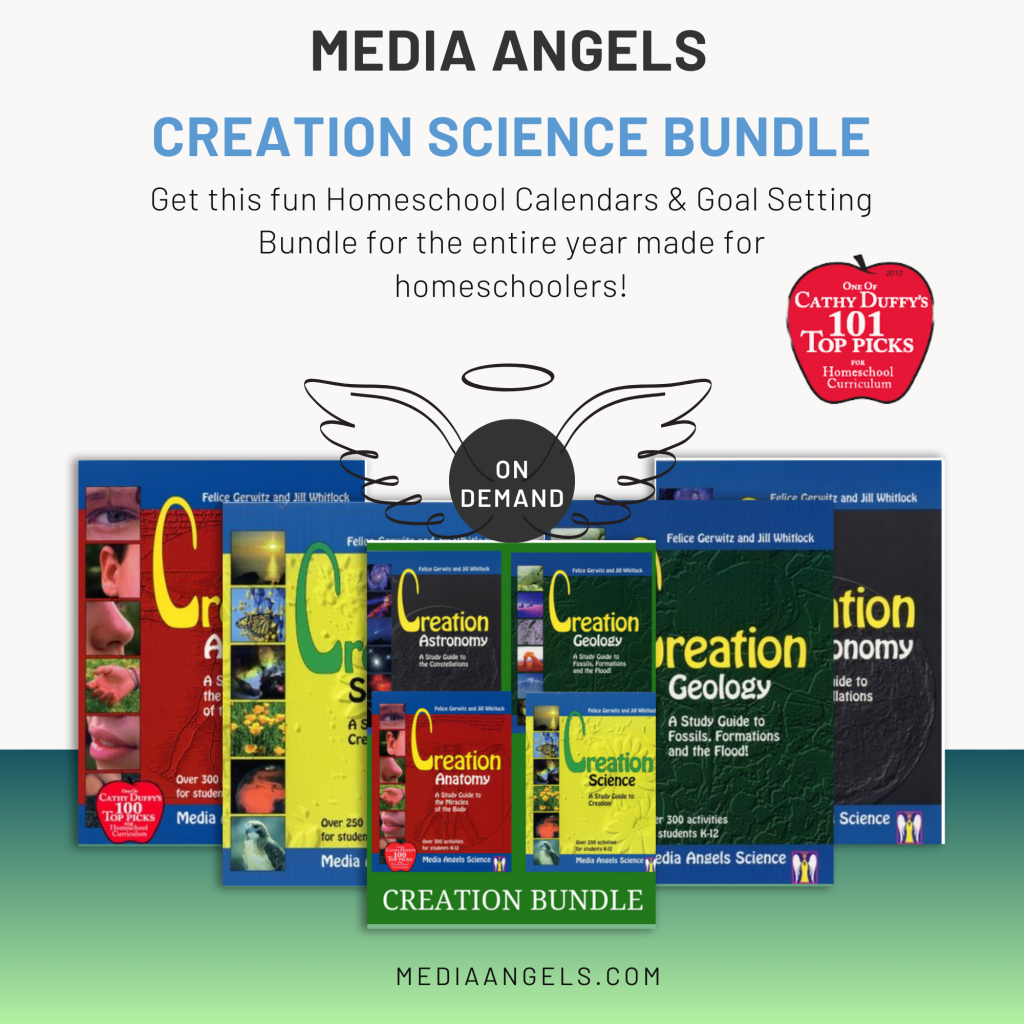
🎓 Resources from Media Angels: Go deeper with the complete Creation Science for Homeschoolers guide — or explore the Creation Geology Study Guide.

How to Raise Kids Who Love the Constitution (with KrisAnne Hall)

🌿 This episode is proudly sponsored by Eden’s Table — a Christ-centered herbalism curriculum for K-5 homeschool families. One plant a week, woven through Bible, science, history, art, and Latin.

Try a free week →

KrisAnne Hall on raising liberty-minded homeschoolers, the Constitution, and the truth about Common Core and school choice — a fan-favorite replay, refreshed for 2026.Liberty First: Raising Constitution-Loving Kids with KrisAnne Hall (Replay)

Show: Vintage Homeschool Moms
Host: Felice Gerwitz
Guest: KrisAnne Hall, JD — Constitutional attorney, author, and founder of Liberty First University
Network: Ultimate Homeschool Podcast Network
Episode type: Encore / Replay (originally aired 2014 — refreshed for 2026)

Constitutional attorney KrisAnne Hall joins Felice Gerwitz to show homeschool moms how to raise liberty-minded kids, why she walked away from a paycheck to teach the Constitution, and what every parent should know about Common Core and school choice. A timeless replay, updated for 2026.

Episode summary

In this fan-favorite conversation, host Felice Gerwitz sits down with constitutional attorney and homeschool mom KrisAnne Hall. KrisAnne shares the powerful story of how she chose to keep teaching the Constitution even when it cost her a $60,000-a-year government job, and how God provided for her family every step of the way.

Together they talk about why liberty is a Judeo-Christian inheritance worth passing on, why most Americans can’t name the five freedoms in the First Amendment, and how parents — not the government — hold the real responsibility for raising the next generation. KrisAnne also answers listener questions about Common Core, charter and virtual schools, vouchers, and the best way for parents to get up to speed on the Constitution so they can teach it to their kids.

It’s encouraging, challenging, and packed with the kind of “I never thought about it that way” moments KrisAnne is known for.

🎧 Host’s Note — Updated for 2026

This episode first aired in 2014, when “Common Core” was the education debate at every co-op meeting and kitchen table. The heart of KrisAnne’s message — that liberty is a gift we steward for our children — hasn’t aged a day. But a few of the headlines have changed, so here’s a quick update so you’re listening with 2026 eyes:

Common Core has largely faded — but the framework lingers. Several states formally repealed and renamed the standards, and roughly two dozen have revised or rebranded them. Here in Florida, Governor DeSantis signed an executive order to eliminate Common Core and replaced it with the B.E.S.T. Standards (Benchmarks for Excellent Student Thinking), phased in beginning the 2021–22 school year, which notably weave civics and the U.S. Constitution through every grade. That said, education analysts point out that many “new” state standards still carry Common Core’s DNA — so KrisAnne’s underlying point about who controls curriculum (and who funds it) is as relevant as ever.

School choice exploded. When this aired, KrisAnne urged caution about vouchers and warned that “where government pays, they will dictate.” Since 2021, Education Savings Accounts (ESAs) have become the dominant model, and as of 2026 around 18–19 states offer universal eligibility. Florida now has universal school choice; Louisiana launched its LA GATOR program in 2025; and Texas’s $1 billion ESA program — the largest initial funding cap in history — launches for the 2026–27 school year. As you listen, it’s worth weighing KrisAnne’s “strings attached” caution against the new landscape and deciding where you land for your own family.

Where to find KrisAnne now. She is the founder and president of Liberty First University (online courses from about $20/month at libertyfirstsociety.com), still writes and teaches, and hosts The KrisAnne Hall Show. Her books referenced in this episode — Not a Living, Breathing Document, Bedtime Stories for Budding Patriots, and Essential Stories for Junior Patriots — are still available, along with newer titles like Sovereign Duty and Liberty First: The Path to Restoring America.

What you’ll learn

  • Why KrisAnne walked away from a $60,000 government job rather than stop teaching the Constitution — and how her family saw God provide
  • Why liberty is a Judeo-Christian inheritance, not a government grant
  • The five freedoms in the First Amendment (and why “when one falls, they all fall”)
  • Why she believes the government didn’t intrude into education — parents invited it
  • The difference between government, charter, and virtual schools — and her caution on vouchers
  • How busy, traveling, on-a-budget parents can still make homeschooling work
  • The best resources for parents to learn the Constitution well enough to teach it

Episode segments

(Approximate — adjust the timestamps to match your final audio file.)

  • [00:00] Welcome and introduction — how Felice met KrisAnne at a Fort Myers history fair
  • [03:00] “History always repeats because human nature never changes”
  • [06:00] KrisAnne’s homeschool partnership: teaching 265 times across 22 states
  • [10:00] The day she had to choose: keep her job or keep teaching the Constitution
  • [15:00] Esther, Mordecai, and stepping out in faith with no income
  • [19:00] Why government schools “cannot teach your child to love God” — and the prayer-in-school myth
  • [24:00] Why liberty? The Judeo-Christian foundation of freedom
  • [28:00] The five First Amendment freedoms — and why most can’t name them
  • [31:00] Break — American Government & Elections class (Media Angels)
  • [33:00] How to book KrisAnne to speak (it’s a ministry — no speaking fees)
  • [37:00] American exceptionalism and the immigrant’s true search for liberty
  • [42:00] Listener Q&A: Common Core and the government’s role in schools
  • [47:00] Listener Q&A: the best way to learn the Constitution yourself
  • [51:00] Listener Q&A: charter schools, virtual schools, and the truth about vouchers
  • [57:00] Final encouragement: homeschooling as a legacy, and a standing invitation to return

Memorable quotes

“The God that gave us life gave us liberty.” — KrisAnne paraphrasing Thomas Jefferson

“Every liberty that you have, you have to keep. And if you do not know what your liberties are, you don’t even know when they’re gone.”

“The government hasn’t intruded itself into our school system. We’ve invited it.”

“Liberty is not a gift that you purchase for yourself… We purchase liberty for our children.”

“Where government pays, they will dictate.” — KrisAnne on vouchers

Resources & links

KrisAnne Hall

  • Website: https://www.krisannehall.com
  • Liberty First University / Liberty First Society: https://libertyfirstsociety.com
  • Books: Not a Living, Breathing Document: Reclaiming Our Constitution, Bedtime Stories for Budding Patriots, Essential Stories for Junior Patriots, Sovereign Duty, Liberty First: The Path to Restoring America
  • DVD set: The Roots of Liberty: The Historic Foundations of the Bill of Rights

From Media Angels & the Ultimate Homeschool Podcast Network

Scripture referenced: 2 Timothy 1:7 · Matthew 6 · the Book of Esther

About the guest

KrisAnne Hall, JD, is a former state prosecutor and constitutional attorney who left her position rather than stop teaching the original intent of the Constitution. A disabled war veteran, attorney, wife of a pastor, and homeschool mom, she now travels the country teaching the history and application of the Constitution and serves as founder and president of Liberty First University. She is the author of multiple books on the Constitution and the Bill of Rights and host of The KrisAnne Hall Show.

About the show

Vintage Homeschool Moms, hosted by author and publisher Felice Gerwitz, encourages, educates, and inspires moms with answers to their most pressing questions — from homeschooling and marriage to parenting and faith — because every moment counts. It’s a production of the Ultimate Homeschool Podcast Network.

Subscribe & connect

If this episode encouraged you, share it with a homeschool mom who needs to hear it, and leave a review — it helps other families find the show. Visit VintageHomeschoolMoms.com and MediaAngels.com for more.

Disclaimer: Guests share their own views and resources. Felice vets her guests but does not necessarily endorse every statement made by show hosts or guests across the network.

The Best Homeschool Tips for a Calmer, More Confident Year

🌿 This episode is proudly sponsored by Eden’s Table — a Christ-centered herbalism curriculum for K-5 homeschool families. One plant a week, woven through Bible, science, history, art, and Latin.

Try a free week →

Best Homeschool Tips | Homeschooling can be a wonderful experience, and in this episode of Vintage Homeschool Moms, we discuss the best homeschool tips. We surveyed our listeners. Join me to find out what they advised | #podcast #homeschoolpodcast #Blessingsfromheaven #kids #kidsandfamily #BestHomeschooltipsBest Homeschool Tips – Survey Response – Episode 501

Homeschooling can be a wonderful experience, and in this episode of Vintage Homeschool Moms, we discuss the best homeschool tips. We surveyed our listeners. Join me to find out what they advised.

Thanks to our sponsor CTC Math. CTC is a highly rated math curriculum for homeschooled students for grades K-12. The family math package makes it ideal for large families at one low price. Visit the website for more information.

Last week I shared a milestone episode, 500, and the topic was Homeschool Do Overs; this episode is a continuation with a twist; I selected some of the best advice for homeschool moms who answered our survey. While the question centered on the idea of a homeschool do-over, I found that their advice better fit the category of “The Best Homeschool Tips.”

Check out Homeschool Do-OVER here.

During my years of homeschooling, I’ve received the most encouragement from like-minded families. I still consider my past homeschool friends to be among my closest, the reason. They experienced what I experienced; they put aside their goals and aspirations to focus on their relationship with God, their spouse, their children, their home, and their homeschool.

These ladies were faithful, and most continued the homeschool journey throughout high school. Everyone did what was best for their family; my friends are wonderful news. Keep your eyes on what you and your family think is important, and ignore the rest.

I learned that extended family might be well-meaning – yet, we have to decide what is best, which is a good place to start. If you have not taken the time to decide on your family goals, begin there.

Best Homeschool Tips

As a synopsis of the pages of recommendations and suggestions, I’ve placed them in categories; Faith, Family, Homeschool. I have edited the comments to make them easier to read on-air and kept the names anonymous! If you hear a comment you made on the survey and want to share your name, visit the podcast page at Vintage Homeschool Moms, look for episode 501, Best Homeschool Tips, and leave your comment there!

See if any of these ideas resonate with you!

Faith Tips:

  1. God’s to-do list and my to-do list are often very different. This mom shared that while she did make plans and lists, she found her day would go so much better when she placed her plans into God’s hand and asked him to help her accomplish what He wanted her to do.
  2. This same person shared that she prayed about her homeschool year and would lay out the curriculum and ideas, even extra curricula, before the Lord. I love this idea because being in God’s will is the goal for us as Christians.
  3. One mom said she wished she had focused more on the Bible/Apologetics and given her kids a solid foundation to launch them into a world that doesn’t value what we value. [This friend is one of the main reasons people homeschooled in the past, and it seems to have fallen off. It should be one of your main goals as homeschooling.]
  4. I would have prayed more. My passion for praying for God’s will has grown as my walk with the Lord has grown. Praying correlates to my daily peace of mind and joy, which spilled over into my homeschool classroom and my girls who were a part of it. ♥️
  5. Praying together as a family nightly and sharing praise reports. What had God done in your life each day?

Homeschool Tips:

  1. You may have regrets, but choosing to homeschool your children will never be one of them.
  2. Another mom wished she had unschooled and not tried to mimic public school in the early years.
  3. Another shared she never intended to homeschool and was, and I quote, “literally thrust into it with no other options at the time. I had no time to research…it was just gone. We only planned to homeschool one year…but this fall is the start of our 12th year, with 13 more years to go.” She said the younger kids definitely will benefit from my early misses. (I love this!)
  4. Another stated she wished she had been homeschooled from the start! [In fact, many of you said the same thing!] She began homeschooling when her daughter was in middle school, and it has been the biggest blessing for the family. She feels she missed out on time with her daughter. This is what many people say.
  5. Take more field trips and fun days in junior high and high school. Another mom shared she wish she had made school more fun.
  6. Have the children each try a class at the local college for dual enrollment, realizing it wasn’t all or nothing. (I did this with two high school students, and it worked extremely well. I was still part of their schooling; they took classes at home and experienced college-level classes where I could help them with good study habits.)
  7. This same mom shared that they would not stop doing math over the summer as I did for too many years, as her kids would have benefited from the extra practice.
  8. Helped her high schoolers prepare for and take CLEP exams. CLEP exams give a student credit for the class instead of having to take it in college. If your student tests well, this is a good option.
  9. One mother shared that her third child, for many reasons, went into a private school in the seventh grade. The world pulled him away from us, and we have major regrets. Another mom said she allowed her daughter to mainstream back into public school in 10th grade. She lasted two years before begging to homeschool again. It caused a lot of unnecessary trauma for the entire family. She said, knowing what I know now about what goes on in those institutions, she wouldn’t let any of her children set foot in public school again. [Friends, don’t think private or Christian schools are the answer; we can be hands-off. We must often grab our kid’s hearts early on; if not, we can start today! I published a book some years back, Secret Code Time: Creating an Unbreakable Bond Between Parent and Child. It is available on my website in limited qualities in print and eBook. I also have podcasts on the topic of kids and relationships. This is key!
  10. I wish I had focused on child-led learning sooner. I wish I had been better at making life skills part of our learning when my kids were younger. (We have a Life Skills podcast with Lisa Nehring that you should check out on the Ultimate Homeschool Podcast Network.
  11. Another said she wished they had more fun and more often.
  12. One mom said she would be confident about homeschooling, which comes from experience.
  13. Another mom said to avoid the online “all in one” curriculum. She admitted that using books with mom, lead teaching takes more time and work, yet she felt more in control and recognized the gaps her children had sooner. She said with online learning, her kids rushed through lessons, and it seems retained little. She also said it was difficult to change in middle and high school. I would encourage this mom that it is not too late to change, and while it might include allowing them to stay in this curriculum until she figures out what she wants to teach and how, it will be something she does not regret.
  14. Testing for learning difficulties early on so that intervention and different curricula would be used.
  15. Some parents spoke about specific curriculums. I don’t want to be negative about certain curriculums, but I want to say that Charlotte Mason’s inspiration is great, especially in her younger years. Avoid bandwagon curriculums or groups.
  16. We use unit studies early on in my children’s homeschool, and I loved the idea of learning together and supplementing with math and reading when needed.

Family:

  1. One mom said – that when homeschooling multiple children, remember they were individuals, which would have released expectations that they would learn similarly.
  2. I wish I had modeled self-care a little bit more.
  3. Another mom said, “I … know my children better than anyone, and I love them more than anyone, and looking at the result, I would spend less time worrying about what other people think, including family members who are passive-aggressive toward homeschooling or just plain don’t understand it. I don’t have to explain myself to others, and in a do-over situation, I wouldn’t.  Hindsight is 20/20! (Amen to this.)
  4. A mom of one said socialization was difficult for an only child. To this mom, I would recommend joining homeschool groups and finding moms with like-minded philosophies and kids. My children played with kids of all ages, and that was something that, as homeschoolers, we learned to do!
  5. One mom said she purchased a farm, thinking that was the best for her family, but in retrospect traveling the 50 states would have been something she would do over again.

There were so many more great ideas; I invite you to listen to episode 500 if you have not already, and I want to thank you for joining me today.

Teaching Kids to Clean: Chore Systems That Actually Stick

🌿 This episode is proudly sponsored by Eden’s Table — a Christ-centered herbalism curriculum for K-5 homeschool families. One plant a week, woven through Bible, science, history, art, and Latin.

Try a free week →


Cleaning with kids does not have to be a chore. Explore strategies to involve children and enjoy the process together.Cleaning With Kids

From the Vintage Homeschool Moms show with Felice Gerwitz

Sponsored by CTCMath.com

I’ll be honest: I never liked cleaning. For years I got no pleasure out of it at all. I still remember my mother-in-law saying, “Doesn’t everything just look so great after you clean?” and thinking, yes — but by the time I got there I was too worn out to enjoy it. So when I tell you I’ve come a long way on cleaning, and on cleaning with my kids, I mean it. Here’s how it happened, and what I’ve learned along the way.

New Hear? Give these podcasts a listen

Top Vintage Homeschool Moms Podcasts

Homeschool Lifestyle
Last Minute DIY Tips
Money Saving Field Trips
All About Teaching
Raising Spiritually Strong Kids
Six Homeschooling Insider Tips
Best Staycations for Kids
Avoid Curriculum Pitfalls
Top 10 Parenting Secrets
45 Family Date Night Ideas

A little house that taught me a lot

Our first home was about 1,200 square feet. My mother sweetly called it a dollhouse — her positive spin on tiny bedrooms. It turned out to be the perfect place to learn how to clean and clean well. There simply wasn’t room for junk to pile up. I’m a big fan of shelving, so I had my husband put shelves up in the living room and down the hall, and that helped tremendously. The real lesson took me years to absorb: you need a place for everything. Back then, when company was coming, we’d just dump everything into the spare bedroom and shut the door. That is not a system.

When we moved into our current home, we jumped from 1,200 to 2,800 square feet. I looked at all that cabinet space under the bathroom sinks and thought, I will never fill this up. Of course I did. More room actually made the house junkier, because there was always somewhere to set things down. Around that time I started a publishing business, which gave me the perfect excuse to finally hire a cleaning lady. It freed me to work — but I still kept the family picking up, and my kids still had chores.

When everyone pitches in

Years later we added on again so my father could move in with us. By then the house had grown to seven bedrooms, five bathrooms, and two stories — far too much to pay someone else to clean. So my husband sat down and divided up the work. I’d been married to this man for many years and couldn’t recall him ever volunteering to clean, so I was curious what he had in mind. “I’ll do all the floors,” he said — and if you knew how much tile we have, you’d know that’s no small offer.

Going room by room, we discovered something useful: every room can be divided into age-appropriate jobs. There are things the little ones can do, things the older kids handle, and things that belong to Mom and Dad. Over time everyone settled into the tasks they actually enjoy, and it’s remarkable how that works out. One of my daughters loves to pop in her earplugs and run the floors — that’s her thing. The boys are happiest on the lawn mower, weed-eating, and taking care of the pool. One liked setting the table, another emptying the dishwasher. Nobody likes dishes — except my husband, who actually enjoys them. And we all love to cook. The point is, when people get to lean into what they like, the work stops feeling like a battle.

Do’s and don’ts for little ones

The big “don’t” is harsh chemicals. We’re serious about non-toxic in our house, so I don’t buy many cleaners — most we make ourselves or buy from gentler companies. I do keep some bleach, but I never hand bleach or ammonia to a child; those are far too harsh. For years we made our own mild homemade window cleaner, and the kids loved it, because what kids really love is a spray bottle. Honestly, you can fill one with plain water and they’ll be just as thrilled.

Good jobs for little ones: dusting with a cloth, sweeping with a smaller adjustable handle, and using one of those lightweight battery-powered swivel sweepers. Ours started out costing around $99 when they first appeared and now go for about $15. They don’t last forever, but they’re perfect for small hands, and during the years we had them our floors were spotless because everyone wanted a turn. Heavier vacuums are usually too much for a little one, but a vacuum wand can work.

Why ask kids to clean at all — especially someone like me, who avoided it for years? Because it builds genuine character. Even when we could afford help, I never let the cleaning lady do my children’s rooms top to bottom. The kids still straightened their rooms, stripped their own sheets, put away their clothes, and helped fold laundry. I didn’t want them to feel entitled. And I always kept the little ones nearby while they worked — in the same room or close enough that I could keep an eye on them.

Room by room

Bathrooms.

My braver daughter lets her kids clean the toilet under close supervision; I never have. She still laughs about the day one of her children proudly dragged a dripping toilet brush through the house to show her — doubling the work, since now the floors needed sanitizing too. My rule was simple: Mom does the toilet, tub, tile, and showers. The kids handle floors, faucets, sink bowls, and mirrors. My favorite trick for little ones is a magic eraser on the baseboards and doors — the spots I always neglected because I hated bending down. Our big white baseboards show every fingerprint, and those erasers clean them beautifully. Long-handled scrub brushes on the sinks are another winner; kids love to scrub.

Bedrooms.

The children help strip their sheets, and with supervision they love loading the washer — though I always say, “only Mommy does the soap.” We dust weekly and de-junk as we go. If a stray Lego or little toy turns up, I ask them to put it back where it belongs before it gets broken. I keep dresser tops clear, and we tackle just one or two drawers a week. Do that consistently and the whole dresser stays organized — and because the kids helped, they keep it neater.

Every few months we pull the beds from the wall to vacuum behind them, and once a year, usually in summer, we do the heavy lifting: everything comes off the shelves, gets dusted well, and goes back. It’s a process, not an overnight project. Right now we’re in the middle of converting our schoolroom for high school, swapping out two wobbly desks we’d tightened and repaired for fifteen years — and even mid-project, the tidied-up space is finally giving me that good feeling my mother-in-law described.

Kitchen.

A magic eraser is wonderful here too, depending on your appliances. We have all stainless now, and while I love the look, I found the old white porcelain easier to clean — and stainless products tend to be harsher, so I only let the older kids use them. I always teach the same spraying habit: spray into the cloth, or stand back so you don’t catch the overspray in your face. With little ones, I clean and they buff afterward. They love the gadgets, so I tease my grandkids when they walk in — “We’re going to clean!” — and they cheer.

We too often skip letting little ones help because we assume it’ll be more work, but my mother-in-law eventually went from wishing the kids would get out of the way to wondering how she’d ever manage without their help. That’s exactly where I am now. Baseboards stay a favorite little-kid job. On granite counters I use warm, soapy sponge water and reseal occasionally. Wood cabinets are a Mom job — grease can ruin the finish if you let it build up — but kids can handle knobs, faucets, and doorknobs.

Living room. We try to keep it picked up nightly. If blankets come out in the evening — yes, even in Florida, where the kids crank the AC and then bundle up — I want them folded and put away before bed so the room looks nice. I keep boxes of toys under the coffee table for the grandkids, and we rotate them so nobody gets bored; when they do, we raid the stash upstairs or toss what’s broken. With tile floors, our furniture slides easily, so the kids have learned to check under cushions and chairs. Reclining chairs especially hide treasure — we always found loose change in my dad’s chair growing up, and now my kids never miss a chance to look.

Adapt it to your family

That’s a snapshot of how we clean together. Things change, and you simply adapt for your family. I’ve watched two older children grow up and my daughter marry and move away, and now I’m near the end of the journey again with the younger ones — it goes so fast. I’ve never been a neatness fanatic; I’d rather take my time and enjoy the work alongside my kids. My husband is the tidy one, and he’s learned that pitching in beats complaining. After thirty-five years of marriage, I can tell you it was a work in progress — there were hurt feelings along the way — but we got there.

I didn’t grow up pitching in much. My parents ran a restaurant for most of my childhood and did everything together; our big cleans happened on Mondays while we were at school. Without that early training, I grew up with a bit of an entitled streak — and that’s exactly what I didn’t want for my own children, even in the years we could afford help. All of my kids are capable now, and honestly none of them would mind if I hired a cleaning lady tomorrow. But the way we do it works best for our family, and that’s really the whole point: look at what fits yours, and do that.

I hope this has been helpful. You can find my books and curriculum at MediaAngels.com, and plenty of encouraging shows on The Ultimate Homeschool Podcast Network. Thanks so much, and God bless.